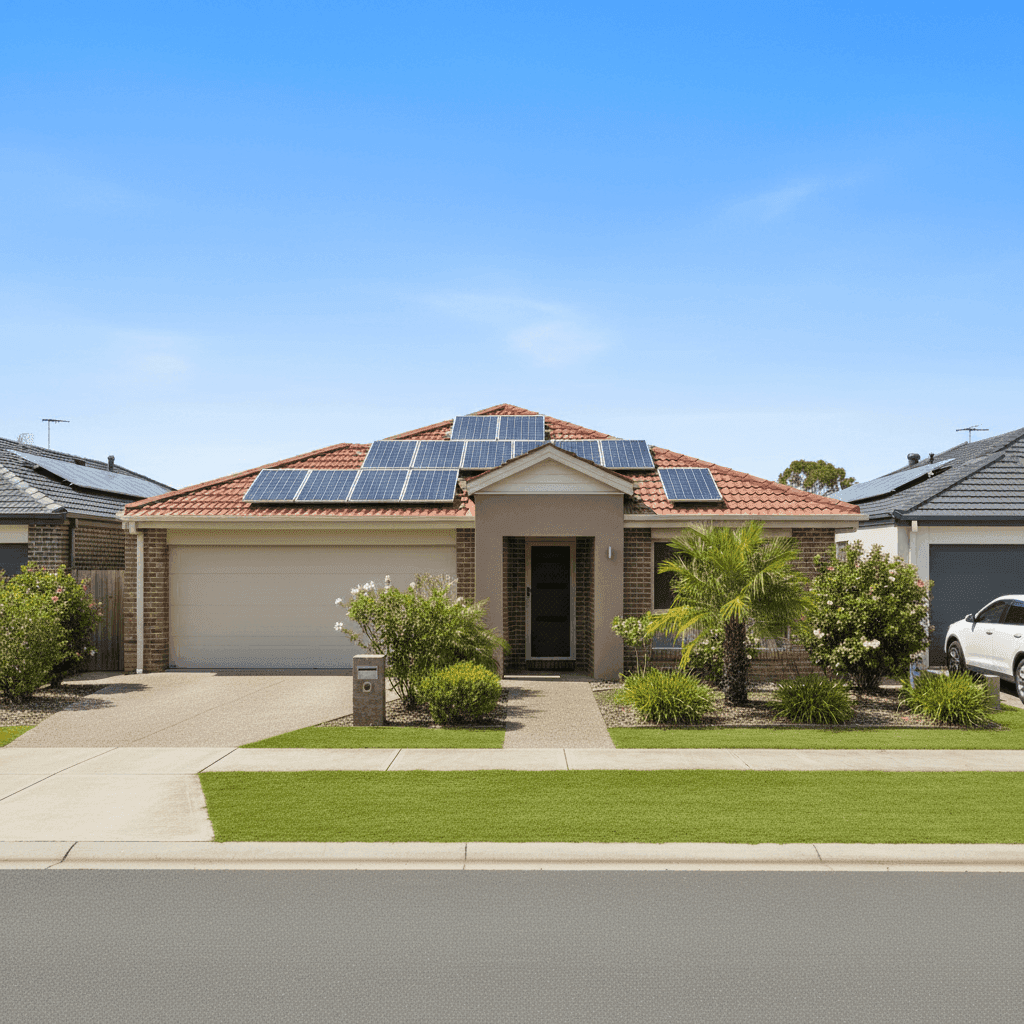
Pimpama is one of South-East Queensland's fastest-growing suburbs, sitting in the heart of the Gold Coast corridor between Brisbane and the Gold Coast CBD. With a mix of modern estates, family homes, and ongoing residential development, it's a popular choice for owner-occupiers seeking value without sacrificing lifestyle. This article breaks down a real home and contents insurance quote for a four-bedroom, free-standing home in Pimpama — and puts the numbers in context so you know exactly where you stand.
---
Is This Quote Fair?
The quote in question comes in at $2,665 per year (or $255 per month) for combined home and contents cover, with a building sum insured of $692,000 and contents valued at $60,000. Both the building and contents excess are set at $1,000.
Our price rating for this quote is FAIR — Around Average. That's a reasonable outcome, but it's worth understanding what "average" actually means in this context.
Compared to the Pimpama suburb average of $3,055 per year, this quote sits $390 below average — a meaningful saving. However, it's sitting above the suburb median of $2,425, which means roughly half of quotes we've seen in this postcode come in cheaper. The 25th percentile for Pimpama is $1,507 per year, suggesting there is room to find more competitive pricing if you shop around, while the 75th percentile sits at $3,260 — so this quote is comfortably below the more expensive end of the market.
In short: you're not overpaying dramatically, but you're not getting the sharpest deal available either. That's what "fair" means — and it's a good starting point for a conversation about whether you can do better.
---
How Pimpama Compares
To appreciate how this quote fits into the broader picture, it helps to zoom out.
| Benchmark | Premium |
|---|---|
| This quote | $2,665/yr |
| Pimpama suburb average | $3,055/yr |
| Pimpama suburb median | $2,425/yr |
| Gold Coast LGA average | $8,161/yr |
| QLD state average | $9,129/yr |
| QLD state median | $3,903/yr |
| National average | $5,347/yr |
| National median | $2,764/yr |
The figures here tell an interesting story. Queensland's state average premium of $9,129 is dramatically higher than what this Pimpama homeowner is paying — largely because QLD averages are pulled upward by high-risk areas in Far North Queensland, coastal flood zones, and cyclone-prone regions. Pimpama, notably, is not classified as a cyclone risk area, which is a significant factor keeping premiums more manageable.
Compared to the national average of $5,347, this quote looks quite competitive. The national median of $2,764 is closer to this quote's price point, and Pimpama's own median of $2,425 gives a realistic benchmark for what's achievable locally.
The Gold Coast LGA average of $8,161 may raise eyebrows, but this figure encompasses a wide range of properties — including beachfront homes, flood-affected areas, and high-value acreage — which skews the average considerably. A well-built, modern home in Pimpama's residential estates sits in a very different risk category to a canal-front property in Broadbeach Waters.
Based on 102 quotes sampled in this postcode, there's a solid dataset to draw meaningful comparisons from.
---
Property Features That Affect Your Premium
Several characteristics of this property influence how insurers price the risk — for better and for worse.
Brick veneer construction with a tiled roof is generally viewed favourably by insurers. Brick veneer offers good fire resistance and structural durability, while concrete or terracotta tiles perform well in storms and are less susceptible to hail damage than some metal roofing profiles. Together, these materials typically attract lower premiums than weatherboard or Colorbond alternatives.
Built in 2008, this home benefits from being constructed under modern building codes, which mandate improved cyclone and storm tie-down standards, better waterproofing, and more robust structural requirements. Newer homes generally attract more competitive premiums than older stock.
Stump foundations are common in Queensland and are generally well-understood by insurers. They allow for airflow beneath the home (important in the subtropical climate) and can make plumbing and maintenance more accessible. However, some insurers do apply slightly different underwriting criteria to stumped homes, so it's worth ensuring your policy accurately reflects the foundation type.
Solar panels are present on this property, and it's important that these are explicitly covered under your building policy. Solar systems can represent a significant replacement cost — easily $8,000–$15,000 or more — and not all standard policies include them automatically. Confirm with your insurer that panels, inverters, and associated wiring are included in your building sum insured.
Ducted climate control is another feature that adds replacement value to the home. Ducted systems are expensive to repair or replace, and the sum insured of $692,000 should account for this. Underinsurance is a common problem in Australia — make sure your building sum insured reflects current construction costs, which have risen sharply in recent years.
Vinyl flooring throughout is a practical, low-maintenance choice that is generally straightforward from an insurance perspective. It's worth noting that contents cover ($60,000) should account for floor coverings if they are not fixed to the structure — check your policy wording to understand how your insurer classifies this.
---
Tips for Homeowners in Pimpama
1. Review your building sum insured regularly. Construction costs in South-East Queensland have increased significantly since 2020. A sum insured set even two or three years ago may no longer reflect what it would actually cost to rebuild your home from scratch. Use a building cost calculator or speak with a quantity surveyor to validate your figure — underinsurance can leave you seriously out of pocket after a major claim.
2. Confirm solar panel coverage explicitly. Don't assume your solar system is automatically covered. Ask your insurer directly whether panels, inverters, and mounting hardware are included in the building sum insured, and whether there are any exclusions for mechanical or electrical breakdown.
3. Shop around — even if your current quote seems reasonable. A "fair" rating means you're around the middle of the market, not at the bottom. With a suburb 25th percentile of $1,507 per year, there are materially cheaper quotes available in Pimpama for comparable cover. Use a comparison tool like CoverClub to benchmark your renewal against multiple insurers before accepting the first offer.
4. Consider your excess carefully. Both the building and contents excess on this quote are set at $1,000. Opting for a higher voluntary excess — say, $2,000 — can reduce your annual premium noticeably. If you have the financial buffer to cover a larger out-of-pocket cost in the event of a claim, this can be a smart way to lower ongoing costs.
---
Compare Your Home Insurance Today
Whether you're renewing your existing policy or taking out cover for the first time, it pays to compare. CoverClub makes it easy to see how your quote stacks up against real data from your suburb and beyond. Get a home insurance quote today and find out if you're getting the best deal available for your Pimpama home — or browse local suburb stats to dig deeper into what homeowners in your area are paying.