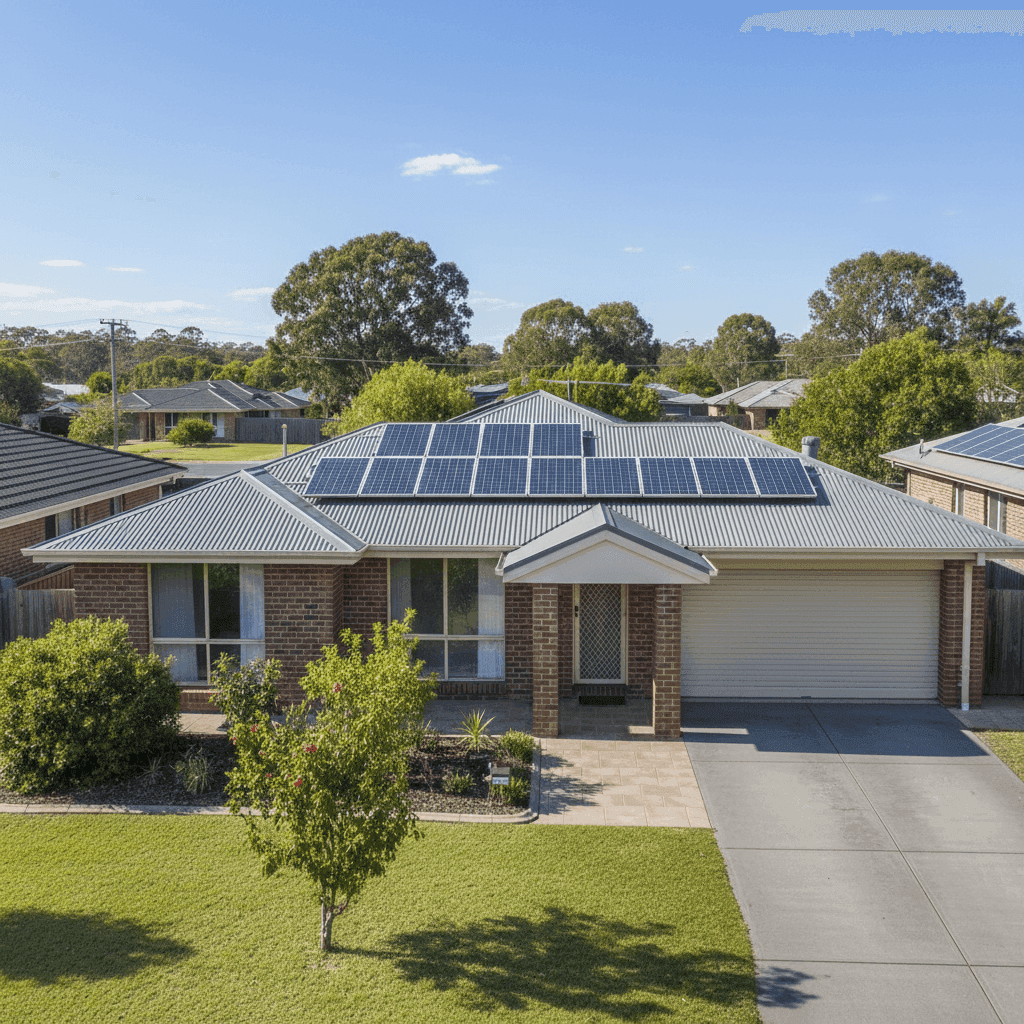
Getting a home insurance quote can feel like a guessing game — especially in regional Queensland, where premiums can vary dramatically from one postcode to the next. This article breaks down a real home and contents insurance quote for a three-bedroom free standing home in Pioneer, QLD 4825, comparing it against local, state and national benchmarks to help you understand whether you're paying a fair price — or too much.
---
Is This Quote Fair?
The quote in question sits at $6,499 per year (or $623/month) for combined home and contents cover, with a building sum insured of $650,000 and contents valued at $150,000. Both the building and contents excess are set at $1,000.
Our price rating for this quote is EXPENSIVE — Above Average.
To put that in perspective, the average premium across the six quotes sampled in the Pioneer suburb sits at just $2,513 per year, with a median of $2,480. This quote comes in more than 2.5 times the local average — a significant gap that warrants a closer look.
That said, it's worth noting that the suburb sample size is small (six quotes), which can skew averages. A single outlier in either direction has an outsized effect when the pool is this limited. Still, even against the broader Queensland state average of $9,129/yr — which is heavily influenced by high-risk coastal and flood-prone areas — this quote sits well below that figure. And compared to the national average of $5,347/yr, it's notably higher.
The bottom line? This quote is above average for Pioneer specifically, and above the national average, but below the Queensland state average. Whether it's fair depends heavily on the individual property's risk profile and the level of cover included.
---
How Pioneer Compares
Here's a snapshot of how this quote stacks up across different benchmarks:
| Benchmark | Premium |
|---|---|
| This Quote | $6,499/yr |
| Pioneer Suburb Average | $2,513/yr |
| Pioneer Suburb Median | $2,480/yr |
| Pioneer 25th Percentile | $1,564/yr |
| Pioneer 75th Percentile | $3,088/yr |
| LGA (Carpentaria) Average | $5,066/yr |
| QLD State Average | $9,129/yr |
| QLD State Median | $3,903/yr |
| National Average | $5,347/yr |
| National Median | $2,764/yr |
A few things stand out here. The Carpentaria LGA average of $5,066/yr is much closer to this quote than the Pioneer suburb average alone, suggesting that the broader local government area carries a higher risk profile than the suburb-level data implies. This is likely a reflection of the remote location, limited insurer competition, and the general cost of rebuilding in far north-west Queensland.
It's also worth noting the wide spread in Pioneer's own data — the gap between the 25th percentile ($1,564) and 75th percentile ($3,088) shows that premiums here vary considerably. Factors like sum insured, contents value, and individual property characteristics can push quotes in either direction.
You can explore the full data set on our Pioneer suburb stats page.
---
Property Features That Affect Your Premium
Several characteristics of this particular property have a meaningful influence on the premium calculated.
Brick veneer construction is generally regarded favourably by insurers — it's durable, fire-resistant, and holds up well in most weather conditions. Compared to weatherboard or fibro homes, brick veneer typically attracts lower rebuild costs and reduced risk ratings.
Steel/Colorbond roofing is another positive. Colorbond is lightweight, corrosion-resistant, and performs well in high-temperature environments — all relevant in outback Queensland. It's a common choice in the region and is well understood by insurers.
Slab foundation and tile flooring are both neutral-to-positive factors. Slab construction is standard for the era (built in 1985) and doesn't carry the elevated moisture or pest risk associated with raised timber floors.
Solar panels are worth flagging. While they add value to the property, solar systems also add to the rebuild cost and can complicate roof-related claims. Some insurers include solar panels under the building policy automatically; others require them to be specified. It's important to confirm your policy covers the panels — both for damage to the system itself and any damage caused by a panel fault.
Ducted climate control is another feature that adds to the insured value. Ducted systems are expensive to replace and are typically included in the building sum insured. Given Queensland's climate, this is a near-essential feature, but it does contribute to a higher overall rebuild cost.
Building size of 139 sqm is modest for a three-bedroom home, but the $650,000 sum insured is relatively high — equating to roughly $4,676 per square metre. In remote Queensland, construction and labour costs are significantly elevated compared to metropolitan areas, so a higher per-square-metre rebuild cost is not unreasonable.
---
Tips for Homeowners in Pioneer
1. Check your sum insured carefully A $650,000 building sum insured is substantial. Use a building cost calculator (many insurers provide one) to verify this figure reflects current rebuild costs in your area — including site access, materials transport to a remote location, and any compliance upgrades required under today's building codes. Being over-insured wastes money; being under-insured can be devastating at claim time.
2. Review your contents value $150,000 in contents cover is a common figure, but it's worth doing a proper stocktake. Many homeowners either significantly over- or under-estimate their contents. Apps and spreadsheets can help you itemise room by room — and you may find you can adjust this figure to better reflect reality.
3. Confirm solar panels are covered As mentioned above, solar panels sit in a grey area for some policies. Ask your insurer directly: are the panels covered under the building policy? What about inverter failure? What if a panel causes a fire? Getting clarity now avoids nasty surprises later.
4. Compare quotes annually The insurance market shifts every year, and loyalty doesn't always pay. Insurers regularly adjust their risk models, and a provider that was expensive last year may be competitive this year — or vice versa. Shopping around at renewal is one of the most effective ways to keep premiums in check, particularly in a regional market with limited competition.
---
Ready to Compare?
If you're a homeowner in Pioneer or anywhere in regional Queensland, it pays to see what other insurers are offering before you commit. CoverClub makes it easy to compare home and contents quotes side by side, so you can make a confident, informed decision.
Get a home insurance quote today and see how your current premium stacks up.