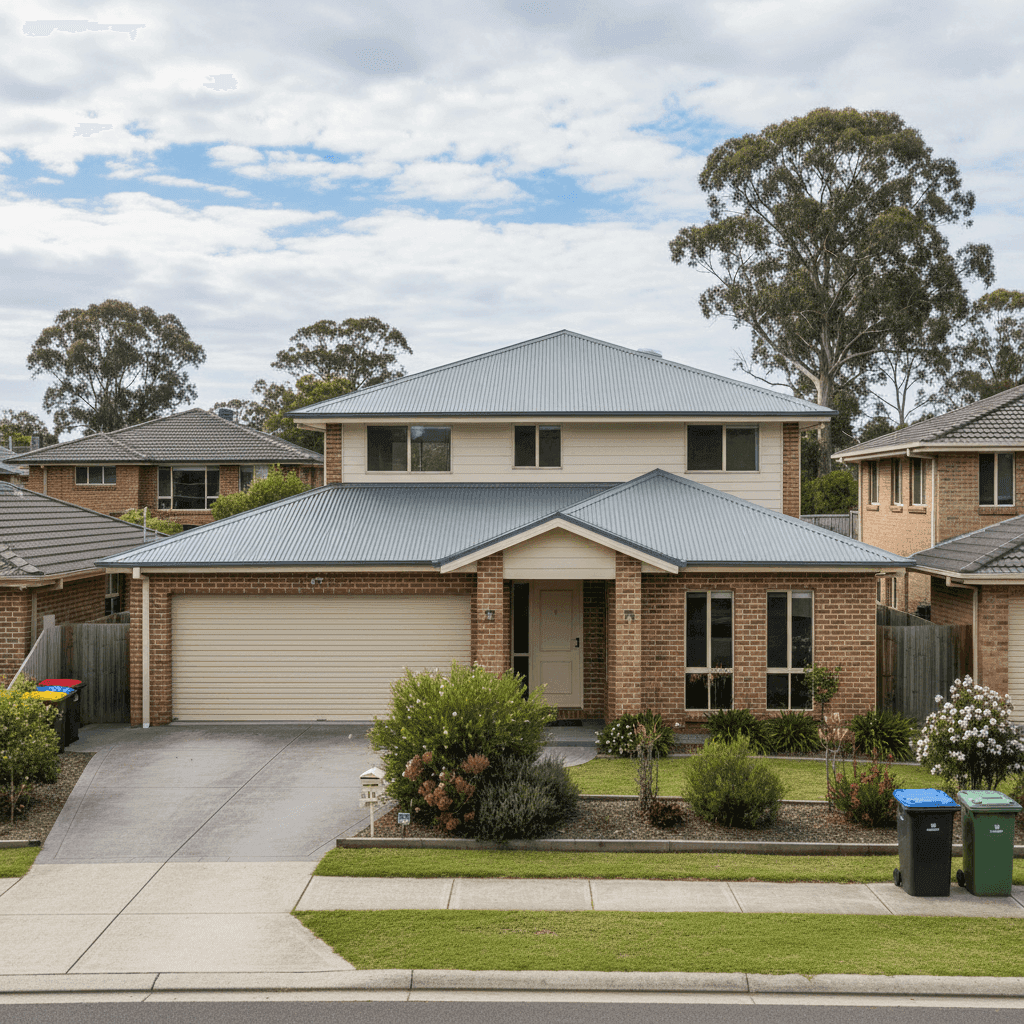
If you own a free standing home in Point Clare, NSW 2250, you're likely no stranger to the annual ritual of reviewing your home insurance. Nestled on the Central Coast, Point Clare is a quiet, family-friendly suburb where brick veneer homes from the 1990s are a common sight. But when a renewal notice lands in your inbox, it can be hard to know whether the number staring back at you is reasonable — or whether you're paying more than you should. This article breaks down a real home and contents insurance quote for a 4-bedroom property in Point Clare, compares it against local, state, and national benchmarks, and offers practical tips to help you get better value.
---
Is This Quote Fair?
The quote in question comes in at $4,136 per year (or $396/month) for combined home and contents cover, with a building sum insured of $775,000 and contents valued at $180,000. Both the building and contents excess are set at $1,000.
Our price rating for this quote is EXPENSIVE — above average for the area.
To put that in perspective, the average annual premium across Point Clare (postcode 2250) sits at around $2,111, with a median of $1,858. Even at the 75th percentile — meaning 75% of quotes in the suburb are cheaper — the figure is only $2,349 per year. This quote lands well above that upper band, suggesting the homeowner is paying a significant premium relative to their neighbours.
That said, context matters. The building sum insured of $775,000 is a substantial figure, and the contents cover of $180,000 adds meaningful protection. Higher insured values naturally push premiums up. Still, the gap between this quote and the suburb average is notable enough to warrant shopping around.
---
How Point Clare Compares
Understanding where Point Clare sits in the broader insurance landscape helps frame whether local premiums are inherently high or whether this quote is simply an outlier.
| Benchmark | Average Premium | Median Premium |
|---|---|---|
| Point Clare (2250) | $2,111/yr | $1,858/yr |
| NSW (State) | $9,528/yr | $3,770/yr |
| National | $5,347/yr | $2,764/yr |
| Hawkesbury LGA | $10,350/yr | — |
Based on quotes collected by CoverClub. See [Point Clare suburb stats](https://coverclub.com.au/stats/NSW/2250/point-clare), [NSW state stats](https://coverclub.com.au/stats/NSW), and [national stats](https://coverclub.com.au/stats/national) for full data.
A few things stand out here. The NSW state average of $9,528 is dramatically higher than the Point Clare suburb average — largely because NSW includes high-risk areas like flood-prone inland regions, bushfire zones, and the Hawkesbury LGA (which averages a staggering $10,350/year). Point Clare, by comparison, is a relatively low-risk coastal suburb, which explains why local premiums trend well below the state mean.
Compared to the national median of $2,764, Point Clare's median of $1,858 is actually quite competitive — good news for most homeowners in the area. The quote being analysed here, however, sits above both the national and local medians, reinforcing the "expensive" rating.
---
Property Features That Affect Your Premium
Several characteristics of this property influence how insurers price the risk. Here's what's worth knowing:
Brick Veneer Walls Brick veneer is generally viewed favourably by insurers. It's durable, fire-resistant, and relatively low maintenance compared to timber weatherboard. Homes with brick veneer construction typically attract more competitive premiums than those with older or less resilient wall materials.
Steel / Colorbond Roof A Colorbond steel roof is another positive signal for insurers. It's lightweight, resistant to ember attack, and holds up well in severe weather — all factors that reduce the likelihood of a claim. This should, in theory, work in the homeowner's favour when pricing is calculated.
Slab Foundation A concrete slab foundation is the standard for homes built in the 1990s and is generally considered structurally sound and low-risk from an insurance perspective. It avoids the issues associated with older subfloor systems, such as timber stumps that can deteriorate over time.
Construction Year: 1994 At around 30 years old, this home is mature but not aged. Homes from this era were built to reasonably modern standards and don't carry the same risk profile as properties from the 1960s or 70s. However, some insurers may factor in the age of plumbing, electrical systems, and roofing materials when assessing risk.
Ducted Climate Control The presence of a ducted air conditioning system adds to the replacement cost of the home's fixtures and fittings. This can subtly influence the building sum insured and, by extension, the premium. It's worth ensuring the sum insured accurately reflects the cost to replace this system.
Building Size: 214 sqm At 214 square metres, this is a comfortably sized family home. Larger floor areas generally mean higher rebuild costs, which feeds directly into the building sum insured. Ensuring the $775,000 figure is accurate — not over or under-estimated — is important for both coverage adequacy and premium efficiency.
No Pool or Solar Panels The absence of a pool eliminates a common source of liability claims, while no solar panels means there's no added complexity around system replacement or electrical risk. Both are minor but positive factors from an underwriting perspective.
---
Tips for Homeowners in Point Clare
1. Compare quotes annually — don't auto-renew Loyalty rarely pays in home insurance. Insurers often offer their best rates to new customers, meaning long-standing policyholders can quietly drift into overpaying. Given this quote is rated expensive relative to the suburb, comparing alternatives at renewal time could yield meaningful savings. Get a quote at CoverClub to see what's available.
2. Double-check your building sum insured The $775,000 building sum insured is the amount it would cost to fully rebuild your home from scratch — not its market value. Over-insuring inflates your premium unnecessarily, while under-insuring can leave you exposed after a major loss. Use a building cost calculator or speak with a quantity surveyor to validate this figure for a 214 sqm brick veneer home in the Central Coast region.
3. Review your contents estimate carefully $180,000 in contents cover is a reasonable figure for a 4-bedroom home, but it's worth doing a proper stocktake. Many Australians over-estimate their contents value, which pushes premiums up without adding real benefit. Conversely, under-estimating can mean a shortfall when you need to claim.
4. Consider your excess strategically Both the building and contents excess are set at $1,000. Opting for a higher voluntary excess — say, $2,000 or $2,500 — can reduce your annual premium noticeably. If you're unlikely to make small claims (to protect your no-claims history), a higher excess can be a smart trade-off.
---
Ready to Compare?
Whether you're reviewing your current policy or shopping for the first time, comparing quotes is the single most effective way to ensure you're not overpaying. CoverClub makes it easy to see how your premium stacks up against real data from your suburb and beyond. Start comparing home insurance quotes today and find out if there's a better deal waiting for you.