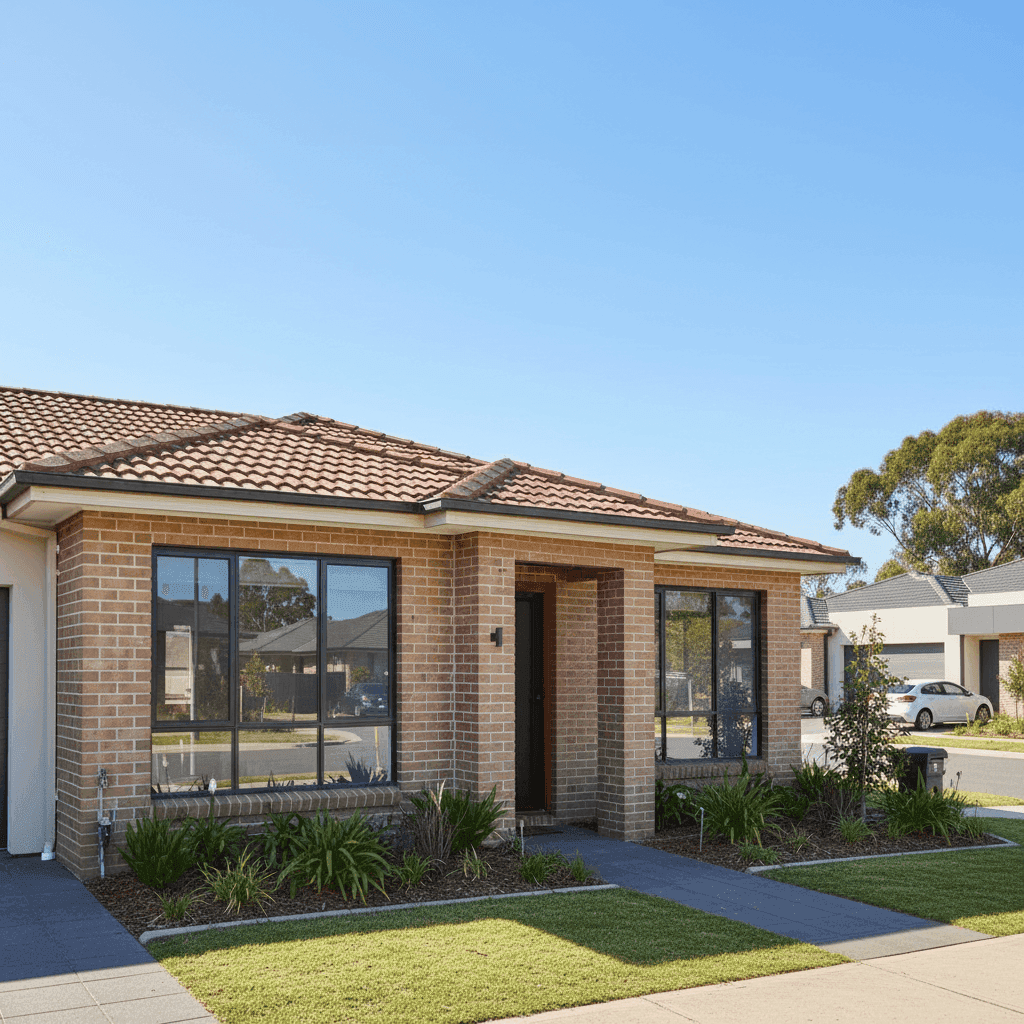
Point Cook has become one of Melbourne's most sought-after outer-western suburbs, offering a blend of modern estates, coastal proximity, and family-friendly infrastructure. If you own a townhouse in the 3030 postcode, understanding how your home insurance premium stacks up against local and national benchmarks is a smart way to make sure you're not paying more than you should.
This article breaks down a real home and contents insurance quote for a 3-bedroom, 3-bathroom townhouse in Point Cook — and puts the numbers in context so you can make a more informed decision.
---
Is This Quote Fair?
The quote in question comes in at $2,182 per year (or $217/month), covering both building and contents for a townhouse with a building sum insured of $897,000 and contents valued at $111,000. Both the building and contents excess are set at $500 — a fairly standard arrangement.
Based on our pricing analysis, this quote is rated Expensive (Above Average). Here's why that matters.
The suburb average for Point Cook sits at $1,742/yr, with a median of $1,763/yr across 82 quotes. This quote lands above the 75th percentile for the suburb, which is $2,141/yr — meaning it's pricier than roughly three-quarters of comparable quotes in the area.
That said, context is everything. The higher building sum insured ($897,000) is a significant driver here. Townhouses with above-average finishes, generous floor plans, and ducted climate control systems naturally attract higher rebuild cost estimates, which in turn push up the premium. If the sum insured is accurate and reflective of true rebuild costs, a higher premium may simply be the cost of being properly covered.
---
How Point Cook Compares
Looking at the broader picture, Point Cook is actually a relatively affordable area to insure compared to the rest of Victoria and the country.
| Benchmark | Average Premium |
|---|---|
| Point Cook (suburb) | $1,742/yr |
| Wyndham LGA | $1,822/yr |
| Victoria (state) | $2,921/yr |
| National | $2,965/yr |
Point Cook's suburb average of $1,742/yr is 40% below the Victorian state average of $2,921/yr, and nearly 41% below the national average of $2,965/yr. Even the Wyndham LGA average of $1,822/yr sits comfortably below state and national figures.
This is good news for Point Cook homeowners — the suburb benefits from relatively low natural hazard risk (no cyclone rating, low flood exposure in most estates), modern housing stock, and stable infrastructure. You can explore the full Victoria state insurance data or the national averages to see how other regions compare.
The quote analysed here, at $2,182/yr, sits above the local suburb average — but is still meaningfully below what the average Victorian homeowner pays. For a property of this size and value, that's a reasonable outcome, though there may still be room to shop around.
---
Property Features That Affect Your Premium
Several characteristics of this particular townhouse directly influence what insurers are willing to charge. Understanding these factors can help you anticipate how quotes are calculated.
Brick Veneer Walls & Tiled Roof Brick veneer construction is widely regarded by insurers as a lower-risk building type. It offers solid fire resistance and structural durability compared to weatherboard or cladding alternatives. Combined with a tiled roof — another insurer-friendly material — this property's construction profile should, in theory, attract more competitive pricing.
Slab Foundation A concrete slab foundation is standard for post-2000 construction in Victoria. It's generally considered stable and low-maintenance, with minimal subsidence risk compared to older pier-and-beam foundations. This is a neutral-to-positive factor for insurers.
Timber & Laminate Flooring While attractive and popular, timber and laminate flooring can be costly to repair or replace following water damage or flooding. Insurers are aware of this, and it can marginally influence contents and building premiums — particularly for water-related claims.
Above-Average Fittings Quality This is one of the more significant premium drivers for this property. Above-average fittings — think stone benchtops, quality cabinetry, premium fixtures, and high-end appliances — increase the cost to rebuild or restore the home to its original standard. This is reflected in the higher building sum insured of $897,000 for a 186 sqm townhouse.
Ducted Climate Control Ducted heating and cooling systems are a meaningful addition to a home's rebuild cost. They're expensive to install and replace, and their presence is appropriately factored into the sum insured. It's worth confirming your policy explicitly covers fixed HVAC systems as part of the building cover.
No Pool or Solar Panels The absence of a pool removes a liability risk that some insurers price into premiums. Similarly, no solar panels means no additional consideration for panel damage or system replacement — both of which can add complexity to a claim.
---
Tips for Homeowners in Point Cook
1. Review your sum insured regularly Building costs in Melbourne's outer west have risen considerably over the past few years. If your home was last valued several years ago, your current sum insured may be either insufficient (leaving you underinsured) or inflated (causing you to overpay). Use a building cost calculator or speak to a quantity surveyor to get an up-to-date estimate.
2. Compare quotes before renewing Loyalty doesn't always pay in insurance. Insurers frequently offer better rates to new customers than to existing policyholders. Before your renewal date, run a fresh comparison at CoverClub to see whether a competing insurer can offer equivalent cover at a lower price.
3. Consider your excess level A $500 excess is fairly standard, but opting for a higher excess — say $1,000 or $2,000 — can noticeably reduce your annual premium. This is worth considering if you have a strong claims history and are comfortable self-insuring smaller losses.
4. Check for bundling discounts Many insurers offer discounts when you combine home and contents insurance under a single policy (as is the case here) or when you also hold car insurance with the same provider. It's worth asking your insurer directly whether any multi-policy discounts apply.
---
Compare Your Quote Today
Whether you're renewing your current policy or shopping for cover for the first time, comparing multiple quotes is the single most effective way to ensure you're getting value for money. CoverClub makes it easy to benchmark your premium against real data from your suburb, your state, and across Australia — so you can buy with confidence.
Check out the latest Point Cook insurance statistics to see how your quote compares to your neighbours, or explore national home insurance trends for a broader perspective.