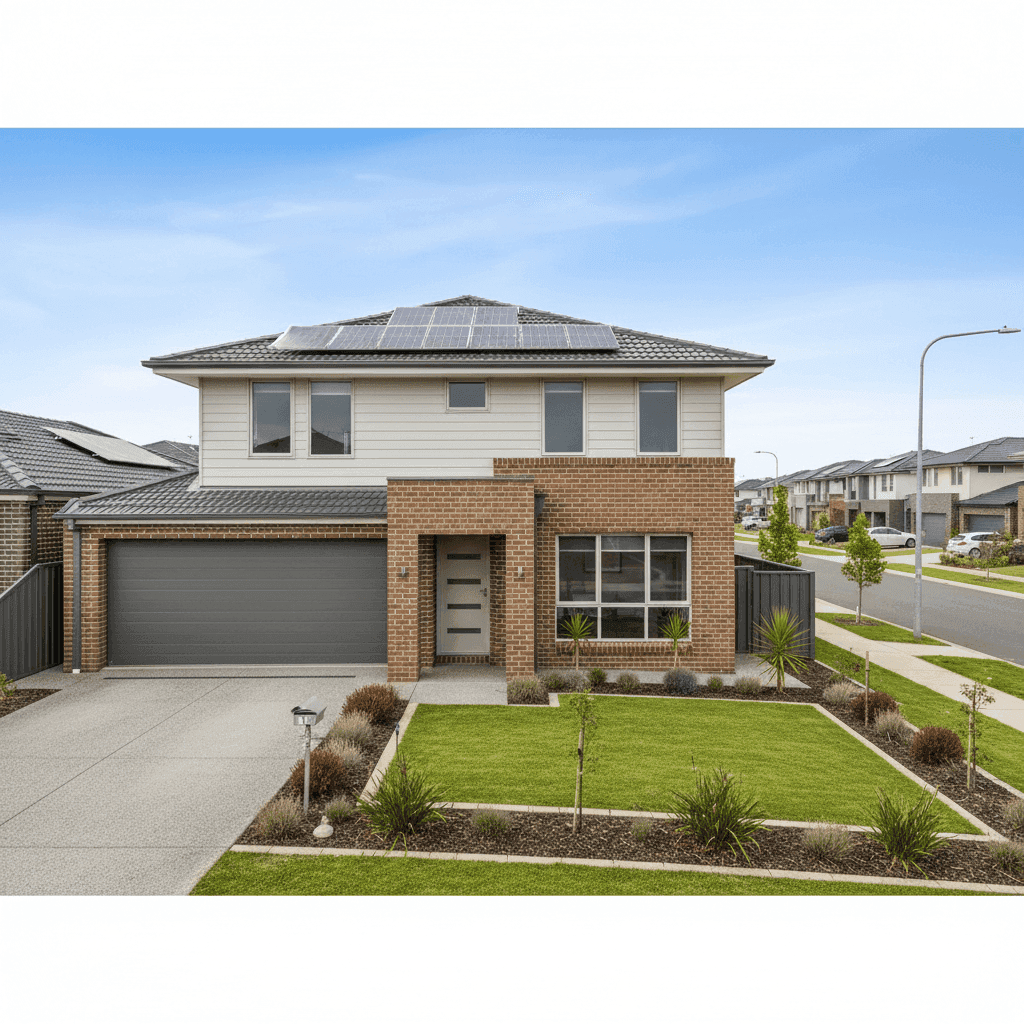
Point Cook is one of Melbourne's most popular growth corridors — a well-established suburb in the City of Wyndham that continues to attract families drawn to its modern estates, coastal proximity, and strong community feel. If you own a free standing home here, understanding what you should be paying for home and contents insurance is an important part of managing your household budget. This article breaks down a real quote for a four-bedroom, two-bathroom brick veneer home in Point Cook, and puts it in context against local, state, and national benchmarks.
---
Is This Quote Fair?
The quote in question comes in at $1,436 per year (or roughly $150 per month) for combined home and contents cover, with a building sum insured of $810,000 and contents valued at $35,000. Both the building and contents excess are set at $5,000.
Our price rating for this quote is FAIR — Around Average, which means it's sitting in a reasonable position relative to what other Point Cook homeowners are paying, without being a standout bargain or an obvious overpay.
To put that in perspective, the suburb's average premium based on 82 quotes collected for Point Cook (3030) sits at $1,742 per year, with a median of $1,763. This quote comes in roughly $300 below the suburb average — a meaningful saving, particularly when you factor in that it covers a well-appointed 235 sqm home with solar panels and ducted climate control included.
The 25th percentile for the suburb is $1,277 per year, meaning about a quarter of Point Cook homeowners are paying less — but often with lower sums insured, fewer inclusions, or higher excesses. The 75th percentile sits at $2,141, so this quote is well clear of the more expensive end of the market.
---
How Point Cook Compares to the Rest of Victoria and Australia
One of the most striking takeaways from this analysis is just how much cheaper Point Cook is compared to broader Victorian and national benchmarks.
| Benchmark | Average Premium | Median Premium |
|---|---|---|
| Point Cook (3030) | $1,742/yr | $1,763/yr |
| LGA (Wyndham) | $1,822/yr | — |
| Victoria | $2,921/yr | $2,694/yr |
| National | $2,965/yr | $2,716/yr |
You can explore the full Victoria home insurance stats and national home insurance data on CoverClub.
The suburb average of $1,742 is roughly 40% below the Victorian state average of $2,921 — a significant gap that reflects Point Cook's relatively low-risk profile. The suburb sits outside cyclone-prone zones, doesn't face the bushfire exposure of regional or outer-fringe areas, and benefits from modern housing stock built to contemporary standards.
The quote we're analysing, at $1,436, sits even lower — about 51% below the national average — which is a strong outcome for a property of this size and specification.
---
Property Features That Affect Your Premium
Several characteristics of this property work in favour of a more competitive premium, while others are simply neutral factors that insurers account for in their pricing.
Brick Veneer Walls & Tiled Roof Brick veneer is one of the most common and insurer-friendly construction types in suburban Melbourne. It offers solid fire resistance and durability compared to timber or clad alternatives, and tiled roofs are similarly well-regarded for their longevity and resistance to ember attack. Together, these two features typically attract lower premiums than, say, a weatherboard home with a metal roof in a bushfire-prone area.
Concrete Slab Foundation A slab foundation is standard for homes of this era and construction type in Victoria. It's a stable, low-maintenance base that doesn't carry the subsidence or termite risks associated with older suspended timber floors, which insurers view favourably.
Construction Year: 2006 Homes built after 1994 in Victoria generally comply with more rigorous building codes, including improved structural standards and fire safety requirements. A 2006 build is considered relatively modern in insurance terms — old enough to have settled, but young enough to avoid the legacy issues of pre-1990s construction.
Solar Panels Solar panels are increasingly common on Australian homes, and most insurers now include them as part of standard building cover — but it's worth confirming this with your insurer. Some policies treat rooftop solar as a fixed improvement to the dwelling, while others may require a specific endorsement. Given the cost of a quality solar system, this is worth clarifying before you need to make a claim.
Ducted Climate Control Ducted heating and cooling is a significant built-in asset, and its replacement cost is factored into the building sum insured. At $810,000, the sum insured here appears appropriately calibrated for a 235 sqm home with quality inclusions — though homeowners should periodically review this figure as construction costs continue to rise across Victoria.
Timber/Laminate Flooring Flooring type doesn't dramatically shift premiums, but timber and laminate floors do carry some additional water damage risk compared to tiles. Ensuring your policy has strong accidental damage and water-related cover is sensible for homes with this flooring type.
---
Tips for Homeowners in Point Cook
1. Review Your Sum Insured Annually Construction costs in Victoria have risen substantially over the past few years. A building sum insured set a few years ago may no longer reflect the true cost to rebuild your home from scratch. Use a building cost calculator or speak with a quantity surveyor if you're uncertain — being underinsured at claim time can be a costly mistake.
2. Consider Your Excess Carefully This policy carries a $5,000 excess on both building and contents — which is on the higher end. A higher excess generally reduces your premium, but it also means you're absorbing more out-of-pocket cost if something goes wrong. Think about whether that trade-off suits your financial position, particularly for smaller claims.
3. Check Your Solar Panel Coverage As noted above, confirm with your insurer exactly how your solar panels are covered — whether they're included in the building sum insured, subject to a separate sub-limit, or excluded entirely. This is a common gap in cover that many homeowners don't discover until they need to make a claim.
4. Shop Around at Renewal Even a FAIR-rated quote can often be improved. Insurers regularly adjust their pricing models, and loyalty doesn't always pay in the insurance market. Using a comparison platform like CoverClub at renewal time takes only a few minutes and could save you hundreds of dollars a year.
---
Compare Your Own Quote
Whether you're buying, renewing, or simply curious about whether you're getting a fair deal, CoverClub makes it easy to benchmark your premium against real data from your suburb. Get a home insurance quote today and see how your current cover stacks up against what other Point Cook homeowners are paying. With transparent, data-driven comparisons, you'll know exactly where you stand — no guesswork required.