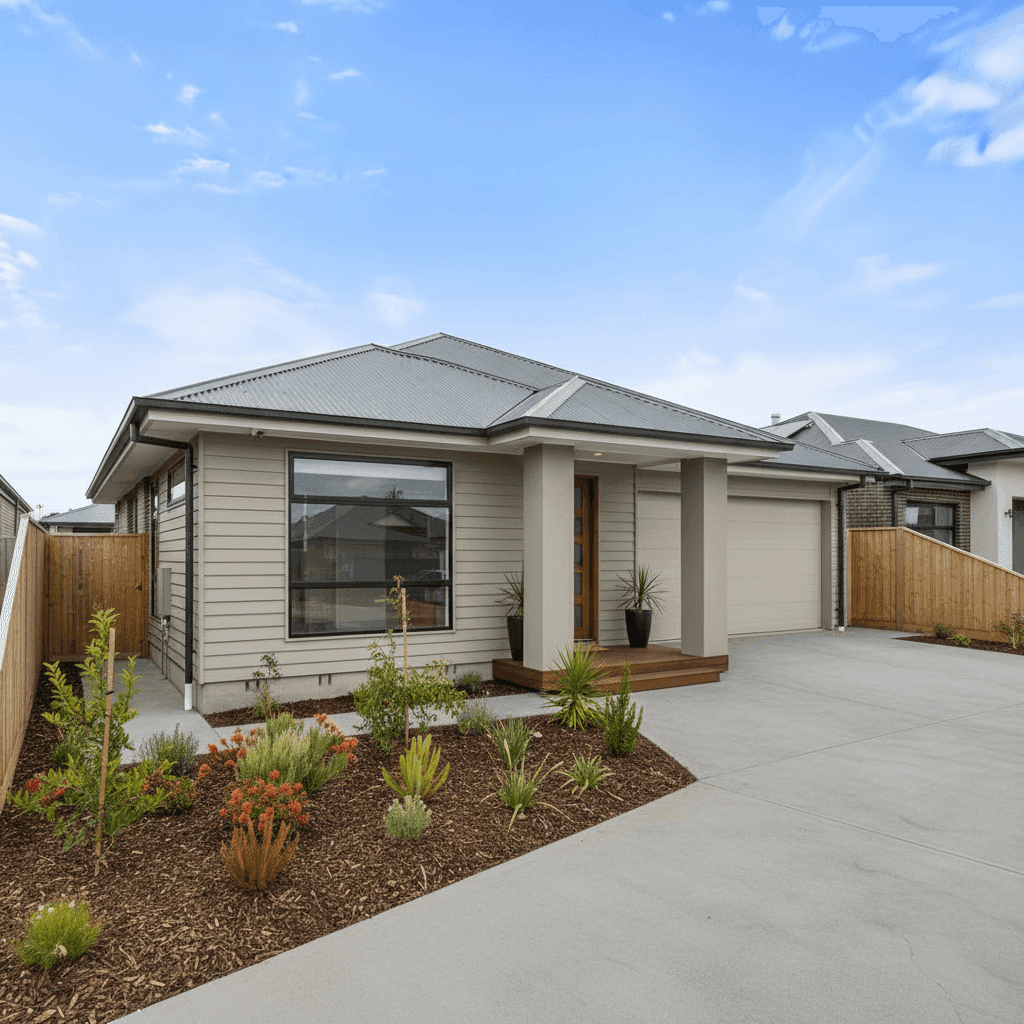
Point Cook, nestled in Melbourne's fast-growing south-west corridor, has become one of Victoria's most popular family suburbs — and with that growth comes an increasing number of homeowners asking the same question: am I paying the right amount for home insurance? This article breaks down a real home and contents insurance quote for a three-bedroom, two-bathroom free standing home in Point Cook (VIC 3030), and puts it in context against local, state, and national benchmarks.
---
Is This Quote Fair?
The annual premium for this property came in at $1,336 per year (or around $128 per month), covering a building sum insured of $500,000 and contents valued at $50,000, each with a $1,000 excess. Our price rating for this quote is FAIR — Around Average.
That rating reflects a quote that sits comfortably within the normal range for the suburb, without being a standout bargain or an obvious overpayment. For homeowners who haven't shopped around recently, this is a reasonable starting point — but as you'll see below, there's still meaningful variation in what Point Cook residents are paying, which means comparison is always worthwhile.
---
How Point Cook Compares
To understand whether this quote represents good value, it helps to look at the broader pricing landscape. Here's how the $1,336 premium stacks up:
| Benchmark | Premium |
|---|---|
| This Quote | $1,336/yr |
| Point Cook Suburb Average | $1,742/yr |
| Point Cook Suburb Median | $1,763/yr |
| Point Cook 25th Percentile | $1,277/yr |
| Point Cook 75th Percentile | $2,141/yr |
| Wyndham LGA Average | $1,822/yr |
| Victoria State Average | $2,921/yr |
| Victoria State Median | $2,694/yr |
| National Average | $2,965/yr |
| National Median | $2,716/yr |
Based on 82 quotes collected for Point Cook (VIC 3030), the suburb average sits at $1,742 per year. This quote comes in $406 below that average — a meaningful saving. It also falls just above the 25th percentile of $1,277, meaning roughly three-quarters of Point Cook homeowners in our dataset are paying more.
The contrast with broader benchmarks is even more striking. The Victorian state average of $2,921 per year is more than double this quote, and the national average of $2,965 tells a similar story. Point Cook as a suburb consistently prices below state and national norms, which reflects its relatively modern housing stock, low flood and bushfire risk profile, and suburban infrastructure.
That said, premiums across the suburb still vary widely — from $1,277 at the 25th percentile to $2,141 at the 75th — so the property's specific characteristics play a significant role in where any individual quote lands.
---
Property Features That Affect Your Premium
Insurance pricing isn't one-size-fits-all. Insurers assess a range of property-specific factors when calculating your premium, and this home has several characteristics worth understanding.
Construction Year (2016)
Built in 2016, this is a relatively modern home. Newer builds generally attract lower premiums because they're constructed to current building codes, use contemporary materials, and are less likely to have ageing electrical, plumbing, or structural issues that older homes carry. This works in the homeowner's favour.
Weatherboard Timber Walls
Weatherboard timber cladding is common in Melbourne's suburbs and adds a classic aesthetic — but from an insurance perspective, timber walls carry a slightly higher fire risk compared to brick veneer or full brick construction. Insurers factor this in when pricing building cover.
Steel/Colorbond Roof
Colorbond roofing is a popular choice across Australian suburbia for good reason: it's durable, low-maintenance, and performs well in a range of weather conditions. Insurers generally view Colorbond roofs favourably, as they're resistant to cracking, warping, and many storm-related damage types.
Stump Foundation (Elevated Less Than 1m)
The home sits on stumps and is elevated by less than one metre. This style of construction is common in Victoria and can offer some advantages in terms of airflow and minor flood resilience, though it also means the subfloor space needs to be maintained to avoid pest or moisture issues. The modest elevation doesn't significantly shift the premium in either direction at this height.
Timber/Laminate Flooring
Timber and laminate floors are factored into the contents or building sum insured depending on how they're installed. They can be more susceptible to water damage than tiles, which is worth keeping in mind when assessing your level of cover.
Building Size: 139 sqm
At 139 square metres, this is a modest-sized home relative to the three-bedroom, two-bathroom layout. A smaller footprint generally means a lower rebuild cost, which supports a more competitive building sum insured — and by extension, a more manageable premium.
No Pool, Solar Panels, or Ducted Climate Control
The absence of a pool, solar panel system, and ducted air conditioning simplifies the risk profile for insurers. Each of these features can add to both the replacement cost and the liability exposure of a property, so their absence here likely contributes to the lower-than-average premium.
---
Tips for Homeowners in Point Cook
Whether you're reviewing your existing policy or shopping around for the first time, here are some practical steps to make sure you're getting the right cover at the right price.
1. Don't underinsure your building $500,000 is the nominated building sum insured here, but it's worth periodically checking that this figure reflects the true cost to rebuild — not the market value of your home. Construction costs have risen sharply in recent years, and being underinsured at claim time can leave you significantly out of pocket.
2. Review your contents figure annually $50,000 in contents cover is a starting point, but many households underestimate the replacement value of their belongings. Do a room-by-room audit every year, particularly after major purchases, to make sure your contents sum insured keeps pace.
3. Consider your excess strategically Both the building and contents excess on this policy sit at $1,000. A higher excess typically lowers your premium, but only makes sense if you could comfortably cover that cost in the event of a claim. Conversely, if cash flow is tight, a lower excess might be worth the slightly higher annual cost.
4. Compare at renewal, not just when you first take out a policy Insurers adjust their pricing models regularly, and loyalty doesn't always pay. The spread of premiums across Point Cook — from $1,277 to $2,141 — shows just how much variation exists in the market. Even if your current premium seems reasonable, running a comparison at renewal could uncover a better deal.
---
Ready to Compare?
Whether this quote reflects your own situation or you're simply curious about what the market looks like for homes in Point Cook, comparing multiple insurers is the smartest way to ensure you're not overpaying. Get a home insurance quote at CoverClub and see how your property stacks up in seconds — no obligation, no jargon, just clear pricing from across the market.