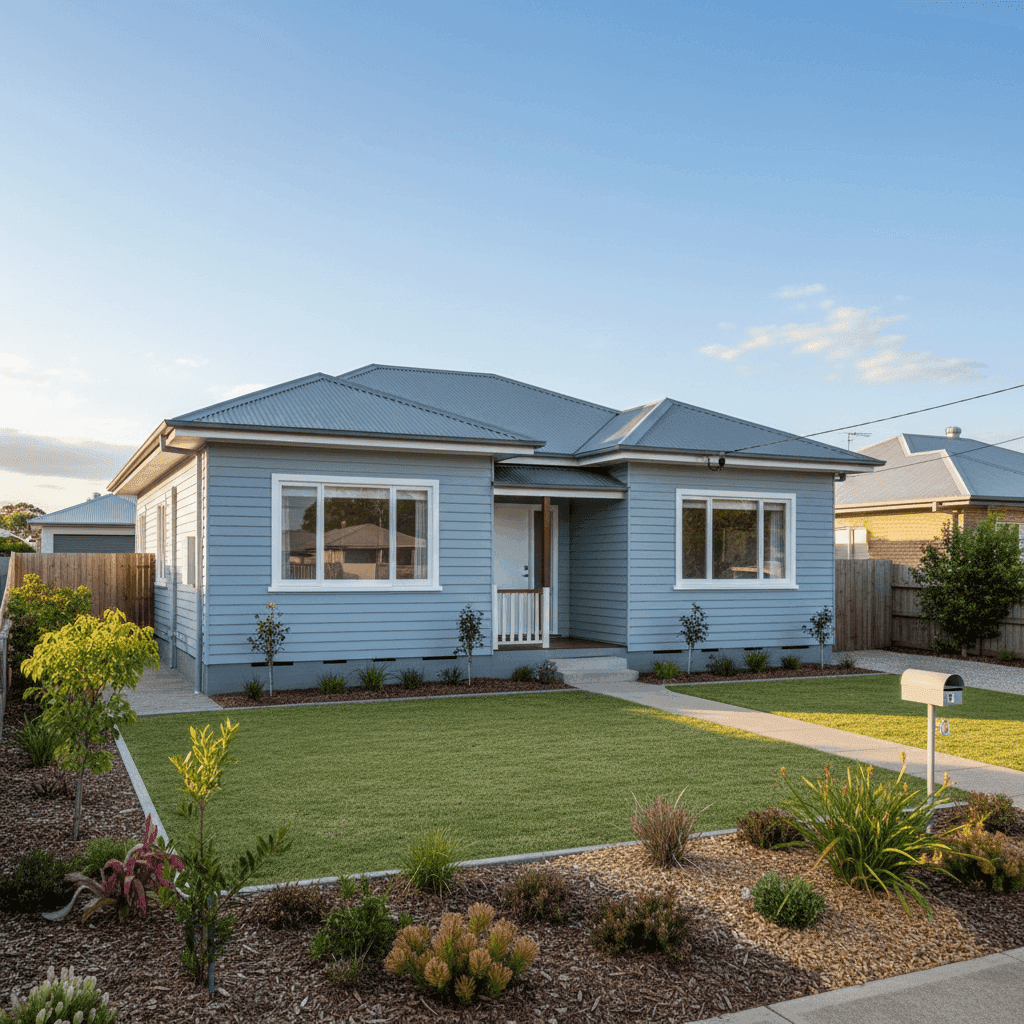
Getting a handle on what you should be paying for home insurance can feel like a moving target — especially in Queensland, where premiums vary enormously from one postcode to the next. This article breaks down a real home and contents insurance quote for a 2-bedroom, free-standing home in Point Vernon, QLD 4655, comparing it against state and national benchmarks so you know exactly where you stand.
---
Is This Quote Fair?
The short answer: yes — and then some. This quote came in at $2,302 per year (or $221/month), which CoverClub rates as CHEAP — meaning it sits below the average for comparable properties. That's genuinely good news for the homeowner.
To put that in perspective:
- The Queensland state average premium is $9,129/year, and the median sits at $3,903/year
- The national average is $5,347/year, with a national median of $2,764/year
At $2,302, this quote comes in below the national median — a strong result. Queensland is notoriously one of the most expensive states for home insurance in Australia, driven by extreme weather events, flooding, and cyclone exposure across much of the state. Securing a below-median premium in this environment is a meaningful win.
It's worth noting that this policy covers both building (sum insured: $335,000) and contents ($50,000), with a $1,000 excess applying to each. That's a well-rounded level of cover, making the price even more impressive in context.
---
How Point Vernon Compares
Point Vernon is a coastal suburb in the Wide Bay region, sitting on the shores of the Coral Sea near Hervey Bay. It's a popular area for retirees and families alike, known for its relaxed lifestyle and proximity to Fraser Island (K'gari).
While suburb-level comparison data isn't available for this postcode at the time of writing, we can frame this quote against broader benchmarks:
| Benchmark | Annual Premium |
|---|---|
| This Quote | $2,302 |
| National Median | $2,764 |
| National Average | $5,347 |
| QLD State Median | $3,903 |
| QLD State Average | $9,129 |
You can explore the latest Queensland insurance premium data or compare it against national home insurance statistics to see how your own property stacks up.
The gap between the QLD average ($9,129) and this quote ($2,302) is striking. Much of Queensland's premium inflation is driven by high-risk postcodes — particularly those exposed to cyclones, storm surge, and inland flooding. Point Vernon, while coastal, is not classified as a cyclone risk area, which is a significant factor keeping premiums lower than many other QLD locations.
---
Property Features That Affect Your Premium
Every property tells its own story when it comes to insurance pricing. Here's how the specific features of this home influence what it costs to insure:
Weatherboard timber walls are a double-edged sword. They're a common construction type in older Queensland homes and carry a moderate risk profile — timber is more susceptible to fire and termite damage than brick veneer or rendered masonry, which can push premiums up slightly. However, timber-framed homes often have lower rebuild costs per square metre than brick, which can offset this.
Steel/Colorbond roofing is generally viewed favourably by insurers. It's durable, low-maintenance, and performs well in high-wind and storm conditions — a relevant consideration for any coastal Queensland property. Compared to older tile roofs or fibro sheeting, Colorbond is considered a lower-risk roofing material.
Slab foundation is a solid, standard construction type that presents minimal concern for insurers. It's stable and widely used across Queensland.
Timber and laminate flooring adds replacement value to a contents and building claim but is broadly standard in the insurer's eyes. It's worth ensuring your sum insured accounts for the cost of replacing these floors if damaged.
Ducted climate control is a notable inclusion. This is a more expensive system to repair or replace than split-system air conditioning, and its presence can slightly increase your building sum insured requirements. At $335,000 for a 105 sqm home built in 1979, the sum insured appears reasonable — though it's always worth reviewing rebuild costs annually as construction prices fluctuate.
Construction year (1979) means this home is over 45 years old. Older homes can attract higher premiums due to ageing electrical wiring, plumbing, and structural components. However, this doesn't appear to have significantly impacted the premium here, suggesting the property is well-maintained or the insurer has priced the risk conservatively.
No pool and no solar panels simplify the risk profile. Both additions can increase premiums — pools introduce liability risk, while solar panels add replacement cost and potential roof penetration concerns.
---
Tips for Homeowners in Point Vernon
Whether you're renewing your policy or shopping around for the first time, here are four practical steps to make sure you're getting the best deal:
- Review your sum insured annually. Construction costs in Queensland have risen sharply in recent years. A building sum insured set a few years ago may no longer be enough to fully rebuild your home. Use a building cost calculator or speak with a local builder to sense-check your figure.
- Don't over-insure your contents — but don't under-insure either. $50,000 in contents cover is a reasonable starting point for a 2-bedroom home, but it's worth doing a room-by-room audit. Many Australians are underinsured without realising it, particularly when it comes to electronics, furniture, and clothing.
- Ask about discounts for security features. Deadbolts, monitored alarms, and security screens can sometimes attract premium discounts. If you've recently upgraded your home security, let your insurer know.
- Compare quotes before renewing. Loyalty doesn't always pay in insurance. Premiums can vary significantly between providers for the same level of cover. Use a comparison platform like CoverClub to see what competing insurers are offering before you auto-renew.
---
Ready to Compare?
Whether this quote is your current policy or you're exploring your options, it always pays to shop around. CoverClub makes it easy to compare home and contents insurance quotes across multiple providers — so you can be confident you're getting the right cover at the right price.