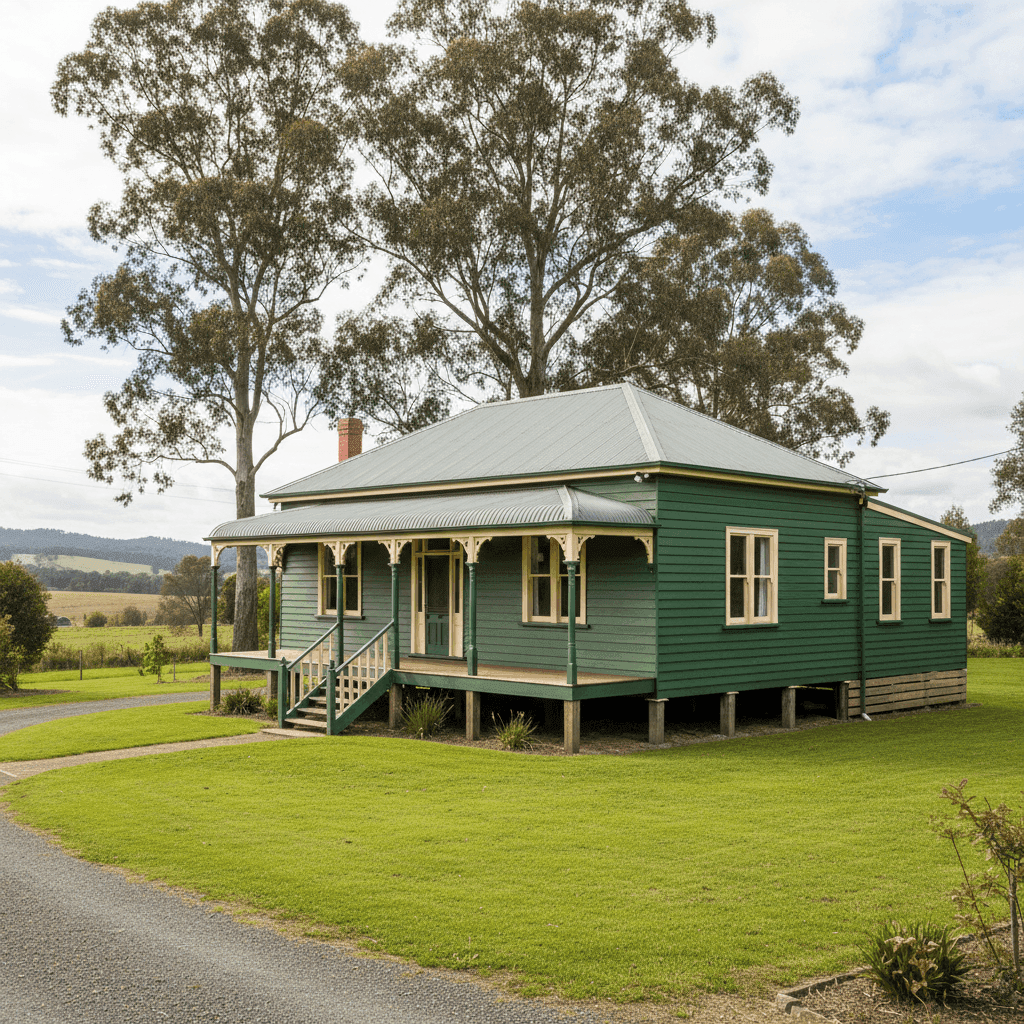
If you own a free standing home in Poowong, VIC 3988, you're likely no stranger to the charm — and the quirks — of living in South Gippsland's rolling countryside. But when your home insurance renewal lands in the letterbox, it can be harder to appreciate. This article breaks down a recent home and contents insurance quote for a three-bedroom weatherboard home in Poowong, compares it against local, state, and national benchmarks, and offers practical tips to help you make the most of your cover.
---
Is This Quote Fair?
The quote in question comes in at $2,584 per year (or $257 per month) for combined home and contents cover, with a building sum insured of $900,000 and contents valued at $200,000. The building excess sits at $3,000 and the contents excess at $1,000.
Our price rating for this quote is Expensive — above average for the Poowong area.
To put that in context: the suburb average premium across recent Poowong quotes is $1,839 per year, with a median of $1,863. That means this particular quote is running roughly $745 above the local average — a meaningful gap that's worth investigating before simply accepting the renewal.
That said, "expensive" is relative. This quote still sits comfortably below the Victorian state average of $2,921/yr and the national average of $2,965/yr, which provides some reassurance that the premium isn't wildly out of step with broader market conditions. It's more accurate to say this quote is on the higher end for Poowong specifically, rather than being outright excessive in a national context.
---
How Poowong Compares
Understanding where Poowong sits in the broader insurance landscape helps frame what you should reasonably expect to pay.
| Benchmark | Average Premium | Median Premium |
|---|---|---|
| Poowong (3988) | $1,839/yr | $1,863/yr |
| Baw Baw LGA | $2,498/yr | — |
| Victoria (VIC) | $2,921/yr | $2,694/yr |
| National | $2,965/yr | $2,716/yr |
Based on a sample of 55 quotes in the Poowong suburb.
What stands out here is that Poowong premiums are notably lower than both the Victorian and national averages — suggesting insurers generally view this area as a relatively lower-risk postcode compared to many other parts of the country. The Baw Baw LGA average of $2,498/yr sits between the suburb and state figures, which is typical for regional LGAs that encompass a mix of risk profiles.
For a deeper dive into local pricing trends, visit the Poowong suburb stats page, or explore Victoria-wide insurance data and national comparisons.
---
Property Features That Affect Your Premium
This particular property has several characteristics that directly influence how insurers price the risk — and understanding them can help explain why the quote lands where it does.
Weatherboard Timber Construction
The external walls are weatherboard wood, one of the most common building materials in older Victorian homes. While charming and historically significant, timber weatherboard is considered higher risk by insurers than brick veneer or double brick, primarily due to its susceptibility to fire and rot. Expect this to push premiums upward compared to a comparable brick home.
Age of Construction — Built in 1920
At over 100 years old, this home carries the character of a Federation-era build — and the insurance implications that come with it. Older homes often have higher rebuild costs relative to their market value, as period-appropriate materials and craftsmanship can be expensive to source and replicate. A $900,000 building sum insured for a home of this age in a regional area is substantial, and insurers will price accordingly.
Elevated on Stumps
The home sits elevated by at least one metre on stumps, which is a classic feature of older rural Victorian homes. While elevation can reduce flood risk in some scenarios, it also means the subfloor structure requires consideration — stumps can deteriorate over time, and the elevated design introduces additional complexity in the event of a claim involving structural damage.
Steel/Colorbond Roof
On the positive side, a Colorbond steel roof is generally viewed favourably by insurers. It's durable, fire-resistant, and low-maintenance compared to older roofing materials like terracotta tiles or corrugated iron. This likely provides a modest offsetting benefit to the premium.
Timber and Laminate Flooring
The timber and laminate flooring throughout the home contributes to a higher contents and internal fitout replacement cost. In the event of water damage or fire, timber floors can be expensive to repair or replace, which factors into the overall risk assessment.
No Pool, Solar, or Cyclone Risk
The absence of a swimming pool, solar panels, and cyclone risk zone designation all work in the homeowner's favour — each of these factors can add meaningful cost to a premium when present.
---
Tips for Homeowners in Poowong
1. Shop Around — Don't Accept the First Renewal
Given that this quote sits above the local suburb average, there's a reasonable chance a comparable policy is available at a lower price point. Use a comparison tool like CoverClub to generate multiple quotes side-by-side and ensure you're not overpaying simply out of inertia.
2. Review Your Building Sum Insured Carefully
At $900,000, the building sum insured is a significant figure for a regional property. Make sure this reflects the cost to rebuild — not the market value of the land and home combined. Overinsuring can inflate your premium unnecessarily, while underinsuring leaves you exposed. Consider getting a professional building valuation to confirm the right figure.
3. Consider Your Excess Strategy
This quote carries a $3,000 building excess. Opting for a higher voluntary excess is one of the most effective ways to reduce your annual premium — but only if you're confident you could cover that cost out of pocket in the event of a claim. If cash flow is a concern, a lower excess with a slightly higher premium may be the smarter trade-off.
4. Maintain the Subfloor and Stumps
For homes elevated on stumps, regular subfloor inspections are worth scheduling every few years. Insurers may scrutinise claims more closely on older elevated homes, and proactive maintenance — replacing deteriorating stumps, ensuring adequate ventilation — can both protect your home and support a smoother claims process if the time ever comes.
---
Ready to Compare?
Whether you're reviewing a renewal or shopping for cover for the first time, comparing quotes is the single best way to make sure you're getting fair value. Head to CoverClub to enter your property details and see how your current premium stacks up against the market — it only takes a few minutes and could save you hundreds of dollars a year.