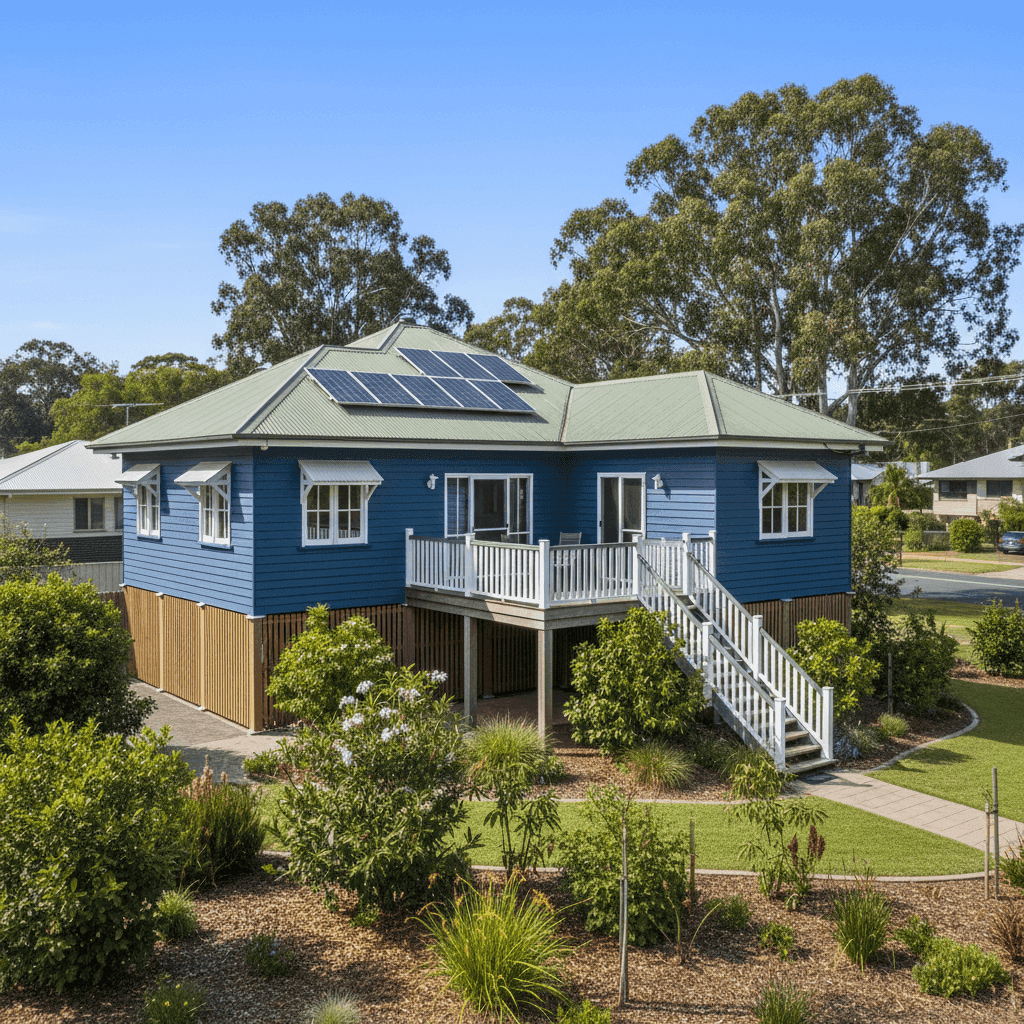
If you own a free standing home in Port Curtis, QLD 4700, you already know that insuring a property in Central Queensland comes with its own set of challenges — and costs. This article takes a deep dive into a real home insurance quote for a 3-bedroom, 1-bathroom weatherboard home in the suburb, breaking down whether the premium is reasonable, how it stacks up against local and national benchmarks, and what you can do to manage your costs.
---
Is This Quote Fair?
The quote in question comes in at $26,650 per year (or $2,554/month) for combined Home and Contents cover, with a building sum insured of $596,000 and contents valued at $65,000. The building excess is $1,000 and the contents excess is $500.
Our price rating for this quote is EXPENSIVE — above average for the area.
To put that into perspective, the suburb average premium in Port Curtis sits at $11,823/yr, and the median is $7,867/yr. This quote is more than twice the suburb average and over three times the local median. Even compared to the suburb's 75th percentile — meaning most properties pay less than $14,654/yr — this premium is still significantly elevated.
That said, context matters. Several features of this particular property push it into a higher risk category, which we'll explore in detail below.
---
How Port Curtis Compares
Port Curtis sits within the Livingstone LGA, which itself carries an average premium of $13,146/yr — already well above both the Queensland state average of $9,129/yr and the national average of $5,347/yr. This tells us that the broader region is considered higher risk by insurers, likely driven by cyclone exposure, flooding potential, and the age of local housing stock.
Here's a quick comparison at a glance:
| Benchmark | Average Premium | Median Premium |
|---|---|---|
| Port Curtis (suburb) | $11,823/yr | $7,867/yr |
| Livingstone LGA | $13,146/yr | — |
| Queensland | $9,129/yr | $3,903/yr |
| National | $5,347/yr | $2,764/yr |
The gap between the QLD average ($9,129) and the QLD median ($3,903) is striking — it shows that a relatively small number of high-premium properties in Queensland are pulling the average up considerably. Port Curtis is clearly one of those higher-risk pockets within the state.
It's also worth noting that the suburb sample size used in our comparison is 8 quotes, so while directionally useful, the local data will become more robust as more Port Curtis homeowners compare quotes through CoverClub.
---
Property Features That Affect Your Premium
Several characteristics of this property are likely contributing to the elevated premium. Understanding these factors can help you have more informed conversations with insurers.
Cyclone Risk Area
This is arguably the single biggest driver. Port Curtis falls within a designated cyclone risk zone, which significantly increases the likelihood of a major weather event claim. Insurers price this risk heavily, and it affects both building and contents premiums.
Age and Construction (1952, Weatherboard Wood)
Built in 1952, this home is over 70 years old. Older homes are more expensive to repair or rebuild to modern standards, and weatherboard timber construction — while charming — is more susceptible to storm damage, moisture ingress, and fire compared to brick or rendered masonry. These factors combine to increase the insurer's assessed rebuild risk.
Elevated on Stumps (At Least 1 Metre)
Being raised on stumps is common in Queensland and can actually offer some flood mitigation benefit, as water may pass beneath the home rather than through it. However, elevated homes also present additional structural complexity and repair costs, which can offset some of that benefit in the insurer's eyes.
Steel/Colorbond Roof
A Colorbond steel roof is generally viewed favourably by insurers — it's durable, low-maintenance, and performs well in high-wind events compared to older tile or fibrous cement roofing. This is likely a modest positive factor in the premium calculation.
Solar Panels
The presence of solar panels adds to the insured value of the property and introduces additional risk (e.g. storm damage, electrical faults). This will contribute a small uplift to the overall premium.
Ducted Climate Control
Ducted air conditioning is a higher-value fixture compared to split systems, and its replacement cost is factored into the building sum insured. This adds to the overall rebuild cost and therefore the premium.
Building Sum Insured ($596,000)
The sum insured of $596,000 is a significant figure. For a 130 sqm home, this equates to roughly $4,585 per sqm in rebuild cost — on the higher end, but not unreasonable given the age of the home, the elevated construction, and the need to meet current building codes upon rebuild. Homeowners should review their sum insured periodically to ensure it reflects current construction costs in their area.
---
Tips for Homeowners in Port Curtis
1. Compare Multiple Quotes Every Year
Insurance premiums in cyclone-prone areas can vary dramatically between providers. Don't let your policy auto-renew without shopping around. Get a new quote at CoverClub to see how your current premium stacks up against the market.
2. Review Your Sum Insured Carefully
Underinsurance is a real risk — but so is over-insuring. If your building sum insured is higher than your actual rebuild cost, you're paying unnecessary premium. Consider getting a professional building valuation to ensure your $596,000 figure accurately reflects current costs for your specific construction type.
3. Consider Raising Your Excess
A $1,000 building excess is fairly standard, but opting for a higher voluntary excess can meaningfully reduce your annual premium. If you have the financial buffer to cover a larger out-of-pocket amount in the event of a claim, this is often a worthwhile trade-off in high-premium areas.
4. Ask About Cyclone Mitigation Discounts
Some insurers offer premium reductions for homes that have been cyclone-proofed — for example, homes with storm shutters, reinforced roof connections, or those that meet higher wind-resistance standards. If you've made any upgrades to improve your home's resilience, make sure your insurer knows about them.
---
Ready to Find a Better Rate?
A premium of $26,650/yr is a significant household expense, and it's worth knowing whether you're getting fair value. CoverClub helps Australian homeowners compare home and contents insurance quotes quickly and transparently. Whether you're in Port Curtis or anywhere else across the country, you can start comparing quotes today and see real pricing data for your suburb at our Port Curtis stats page.
Don't just accept your renewal — make sure you're covered at the right price.