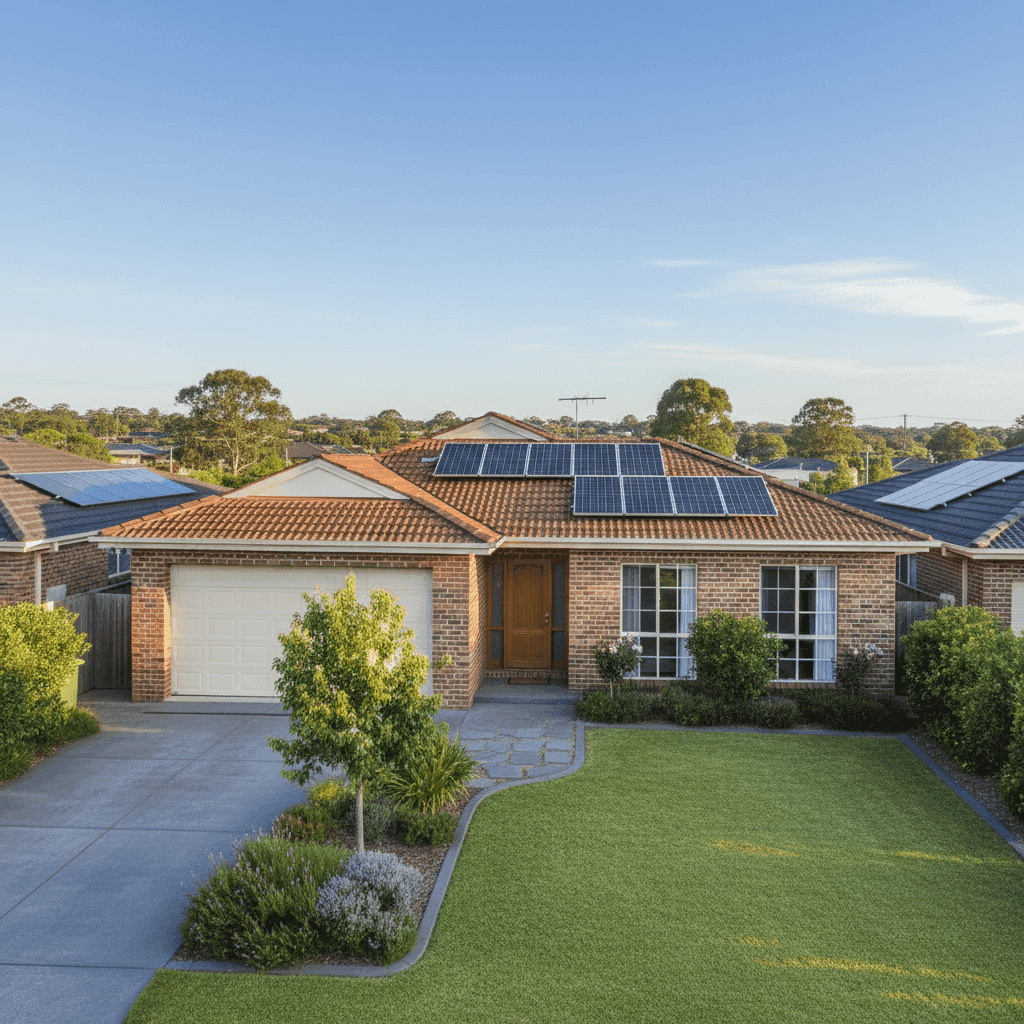
Port Macquarie is one of New South Wales' most beloved coastal towns — a place where relaxed living meets genuine community spirit. But owning a home here, like anywhere in Australia, comes with the responsibility of protecting your biggest asset. This article breaks down a real home and contents insurance quote for a three-bedroom, free-standing home in Port Macquarie (postcode 2444), and puts the numbers into context so you can judge whether your own policy is working hard enough for you.
---
Is This Quote Fair?
The quote in question comes in at $1,387 per year (or about $147 per month) for combined home and contents cover, with a building sum insured of $350,000 and contents valued at $50,000. The building excess is $4,000 and the contents excess is $1,000.
Our price rating for this quote is CHEAP — below average for the area. That's genuinely good news for the homeowner. Based on 219 quotes collected across Port Macquarie (2444), the suburb's 25th percentile sits at $1,773 per year, meaning this quote is priced below even the cheapest quarter of the market locally. Put simply, if this policy offers solid coverage, it represents excellent value.
Of course, price alone doesn't tell the whole story. A lower premium sometimes reflects a higher excess — and in this case, the $4,000 building excess is on the higher end. That means if you need to make a claim, you'll be covering the first $4,000 of any building-related damage out of pocket. It's worth factoring that into your assessment of the overall value.
---
How Port Macquarie Compares
Home insurance pricing in Port Macquarie sits in a fascinating position when you look at the broader data picture.
| Benchmark | Annual Premium |
|---|---|
| This Quote | $1,387 |
| Suburb 25th Percentile | $1,773 |
| Suburb Median | $2,646 |
| Suburb 75th Percentile | $3,876 |
| Suburb Average | $8,890 |
| NSW Median | $3,770 |
| NSW Average | $9,528 |
| National Median | $2,764 |
| National Average | $5,347 |
| LGA (Port Macquarie-Hastings) Average | $7,001 |
A few things stand out here. First, the gap between the suburb's median ($2,646) and its average ($8,890) is enormous — a sign that a relatively small number of very high-priced quotes are dragging the average upward significantly. This is common in coastal and regional NSW areas where flood, storm, and bushfire risk can cause certain properties to attract eye-watering premiums.
The same pattern plays out at the state level, where NSW's average of $9,528 far exceeds its median of $3,770. Nationally, the picture is similar — a $5,347 average versus a $2,764 median — though the gap is somewhat less extreme.
What this tells us is that the median is generally a more reliable benchmark for typical homeowners than the average. Against the suburb median of $2,646, this quote at $1,387 is roughly 48% cheaper — a significant saving if the coverage is comparable.
---
Property Features That Affect Your Premium
Several characteristics of this property work in the homeowner's favour from an insurance pricing perspective.
Brick veneer construction is generally viewed favourably by insurers. It offers solid resistance to fire and wind compared to timber-framed or clad exteriors, and it's a common build type across coastal NSW. Combined with a tiled roof, this home sits in a relatively low-risk construction category — tiles are durable and perform well in storms compared to corrugated iron or older materials.
The slab foundation is another positive. Slab-on-ground construction tends to be straightforward for insurers to assess and doesn't carry the same concerns as older suspended timber floors, which can be more vulnerable to moisture and pest damage.
Solar panels are worth a mention. While they add value to the property, they can also add a small layer of complexity to insurance. It's important to confirm with your insurer that your solar system — including panels, inverter, and associated wiring — is explicitly covered under your policy. Some standard policies cover solar panels as part of the building, while others treat them separately or exclude certain types of damage.
The 1995 construction year places this home in a period when building codes were reasonably well established, reducing some of the concerns associated with older homes (like asbestos-containing materials or outdated wiring). At roughly 30 years old, though, it's worth keeping on top of maintenance — ageing roofs, gutters, and plumbing can all influence both your risk profile and your premium over time.
The absence of a pool removes one common source of liability risk, and the fact that this area is not classified as a cyclone risk zone is a meaningful factor — cyclone-rated areas in northern and coastal Queensland, for instance, can attract dramatically higher premiums.
---
Tips for Homeowners in Port Macquarie
1. Review your sum insured regularly. Building costs have risen significantly across Australia in recent years. A sum insured of $350,000 may have been appropriate when the policy was first taken out, but it's worth checking whether it still reflects the current cost to rebuild — not the market value — of your home. Underinsurance is one of the most common and costly mistakes Australian homeowners make.
2. Understand your excess before you claim. The $4,000 building excess on this policy is relatively high. This is often how lower premiums are achieved — you take on more of the risk yourself. If you rarely need to claim, this can be a smart trade-off. But make sure you have funds available to cover that excess in an emergency, particularly for weather events that can cause sudden, significant damage.
3. Check your solar panel coverage explicitly. As mentioned above, don't assume your solar system is covered. Call your insurer and ask specifically what's included — panels, inverter, mounting hardware, and cabling — and under what circumstances (storm, fire, accidental damage, power surge). Get it in writing if you can.
4. Compare quotes at least once a year. The Port Macquarie insurance market shows wide variation — from under $1,773 at the 25th percentile to over $3,876 at the 75th. Loyalty doesn't always pay in insurance. Taking 10 minutes to compare quotes at CoverClub each year could save you hundreds of dollars without sacrificing coverage quality.
---
Ready to See What You Could Be Paying?
Whether you're a long-time Port Macquarie local or new to the area, it pays to know where your premium sits relative to the market. CoverClub makes it easy to compare home and contents insurance quotes in one place, so you can make a confident, informed decision. Start your free comparison today — it only takes a few minutes and could uncover real savings on your next policy.