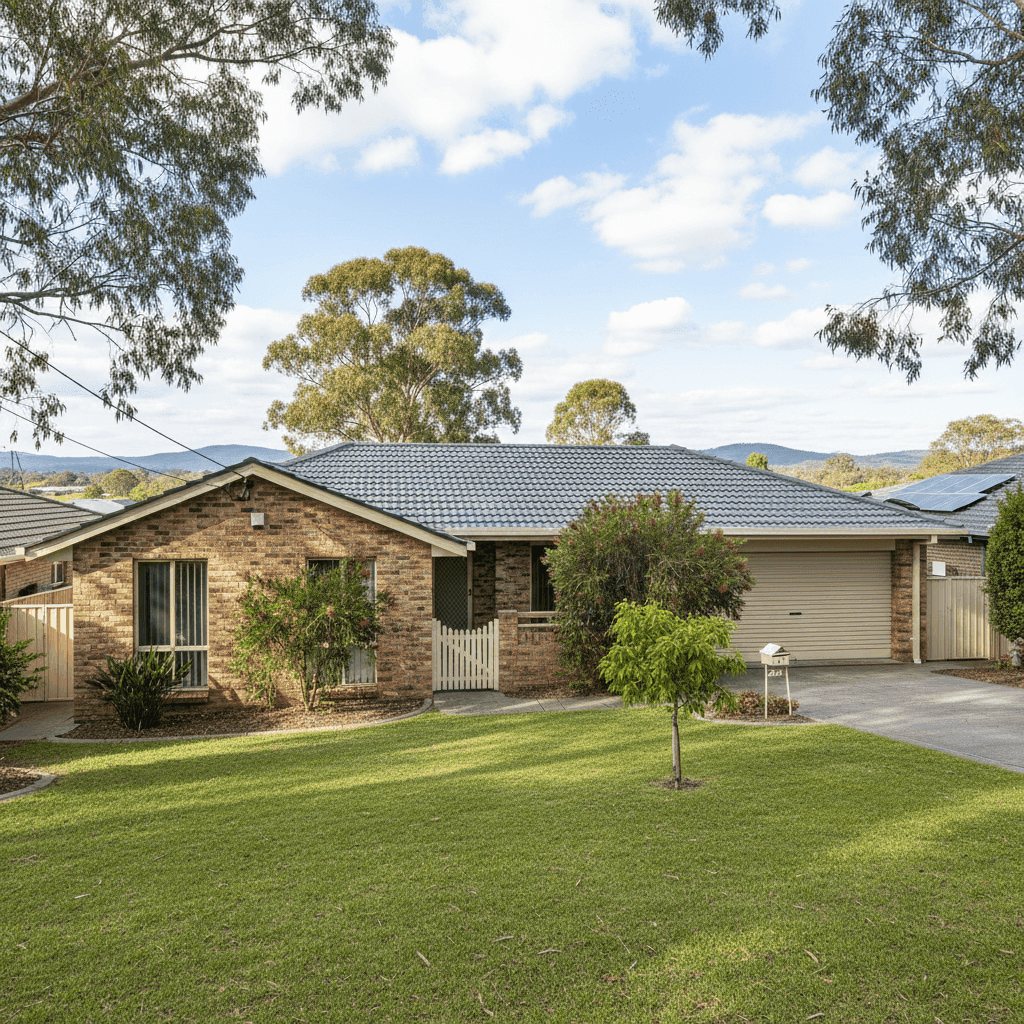
If you own a free standing home in Port Macquarie, NSW, you've probably noticed that insurance premiums can vary wildly depending on who you ask — and what they're covering. This article breaks down a real home and contents insurance quote for a 3-bedroom, 2-bathroom brick veneer property in Port Macquarie (postcode 2444), helping you understand what's driving the cost and whether there's room to save.
---
Is This Quote Fair?
The quote in question comes in at $3,941 per year (or $378/month) for combined home and contents cover, with a building sum insured of $640,000 and contents valued at $288,000. Both the building and contents excess are set at $2,000.
Our price rating for this quote is Expensive — above average for the Port Macquarie area.
To put that in context: the suburb median premium sits at $2,646/year, meaning roughly half of Port Macquarie homeowners are paying less than that. At $3,941, this quote lands above the 75th percentile threshold of $3,876/year — so it's pricier than at least three-quarters of comparable quotes in the area.
That said, "expensive" doesn't automatically mean "wrong." The higher sum insured values here — particularly the $640,000 building cover for a 214 sqm home built in 1980 — are significant factors. Rebuilding costs have surged across Australia in recent years due to labour shortages and rising material prices, so a robust sum insured is not unreasonable. The question is whether you're getting the right level of cover for what you're paying.
---
How Port Macquarie Compares
Port Macquarie sits in an interesting position when you look at the broader insurance landscape. Based on data from 219 quotes in the 2444 postcode:
| Benchmark | Premium |
|---|---|
| Suburb 25th percentile | $1,773/yr |
| Suburb median | $2,646/yr |
| Suburb 75th percentile | $3,876/yr |
| Suburb average | $8,890/yr |
| LGA (Port Macquarie-Hastings) average | $7,001/yr |
| NSW state median | $3,770/yr |
| NSW state average | $9,528/yr |
| National median | $2,764/yr |
| National average | $5,347/yr |
A few things stand out here. First, the suburb average of $8,890 is dramatically higher than the median of $2,646 — a classic sign that a small number of very high-cost quotes are pulling the average upward. This can happen in coastal regions like Port Macquarie where flood zones, storm surge risk, and high-value properties create significant premium outliers.
Second, the quote we're analysing ($3,941) actually sits below both the NSW state average and the national average, which is worth noting. Compared to NSW as a whole, where the median is $3,770/year, this quote is only modestly above the state midpoint. And nationally, the median sits at $2,764 — so while this quote is above the national median, it's well below the national average of $5,347.
The takeaway? This quote is on the higher end for Port Macquarie specifically, but not dramatically out of step with broader NSW and national pricing — particularly given the coverage levels involved.
---
Property Features That Affect Your Premium
Several characteristics of this property have a direct bearing on what insurers charge.
Brick veneer construction is generally viewed favourably by insurers. It offers solid fire resistance and durability, which can help moderate premiums compared to timber-framed or weatherboard homes. However, brick veneer can be more costly to repair after events like earthquakes or significant structural movement — something worth keeping in mind.
Tiled roof is another positive signal. Terracotta or concrete tiles are among the more resilient roofing materials, offering good resistance to hail and fire. Compared to corrugated iron or Colorbond, tiles tend to attract slightly lower premiums in many regions.
Slab foundation is standard for homes of this era and doesn't typically attract a premium loading. However, slab homes can be vulnerable to subsidence or cracking if built on reactive soils — a factor some insurers assess at the postcode level.
Construction year: 1980. Homes built around this era are old enough to potentially have ageing plumbing, electrical wiring, or roofing materials that may not meet current standards. Insurers often apply a modest loading to older homes to account for this increased risk of claims related to wear and tear or hidden defects.
Ducted climate control is listed as present. While this is a comfort feature rather than a risk factor per se, it does add to the replacement value of the home's fixtures and fittings — which is reflected in the building sum insured.
No pool, no solar panels. Both of these exclusions simplify the risk profile. Pools introduce liability considerations, and solar panels add complexity around electrical risk and roof penetrations. Their absence keeps this policy relatively straightforward.
---
Tips for Homeowners in Port Macquarie
1. Review your sum insured carefully — but don't underinsure. The $640,000 building sum insured may look high, but rebuilding costs in regional NSW have climbed sharply. Use a building calculator to verify your figure annually. Underinsurance is one of the most common and costly mistakes Australian homeowners make.
2. Compare quotes across multiple insurers. The spread between the 25th percentile ($1,773) and 75th percentile ($3,876) in Port Macquarie is enormous. That gap exists because different insurers price risk very differently. Getting at least three comparable quotes could save you hundreds per year. Start a comparison at CoverClub to see what's available for your property.
3. Consider your excess settings. Both excesses here are set at $2,000. Opting for a higher voluntary excess can meaningfully reduce your annual premium — but make sure you can comfortably cover that amount out of pocket in the event of a claim. It's a trade-off worth modelling.
4. Ask about discounts for home security and maintenance. Some insurers offer reduced premiums for homes with monitored alarms, deadbolts, or smoke detectors. For an older home like this one (built 1980), demonstrating that the property has been well-maintained and updated can also work in your favour when negotiating or switching providers.
---
Ready to See What You Could Pay?
Whether this quote is the right one for you depends on your specific circumstances — but knowing where you stand in the market is the first step. CoverClub makes it easy to compare home and contents insurance quotes tailored to your property in Port Macquarie and beyond.
Get a quote today at CoverClub and see how your current premium stacks up against the competition. You can also explore detailed Port Macquarie insurance statistics and NSW-wide benchmarks to arm yourself with the data you need before you buy.