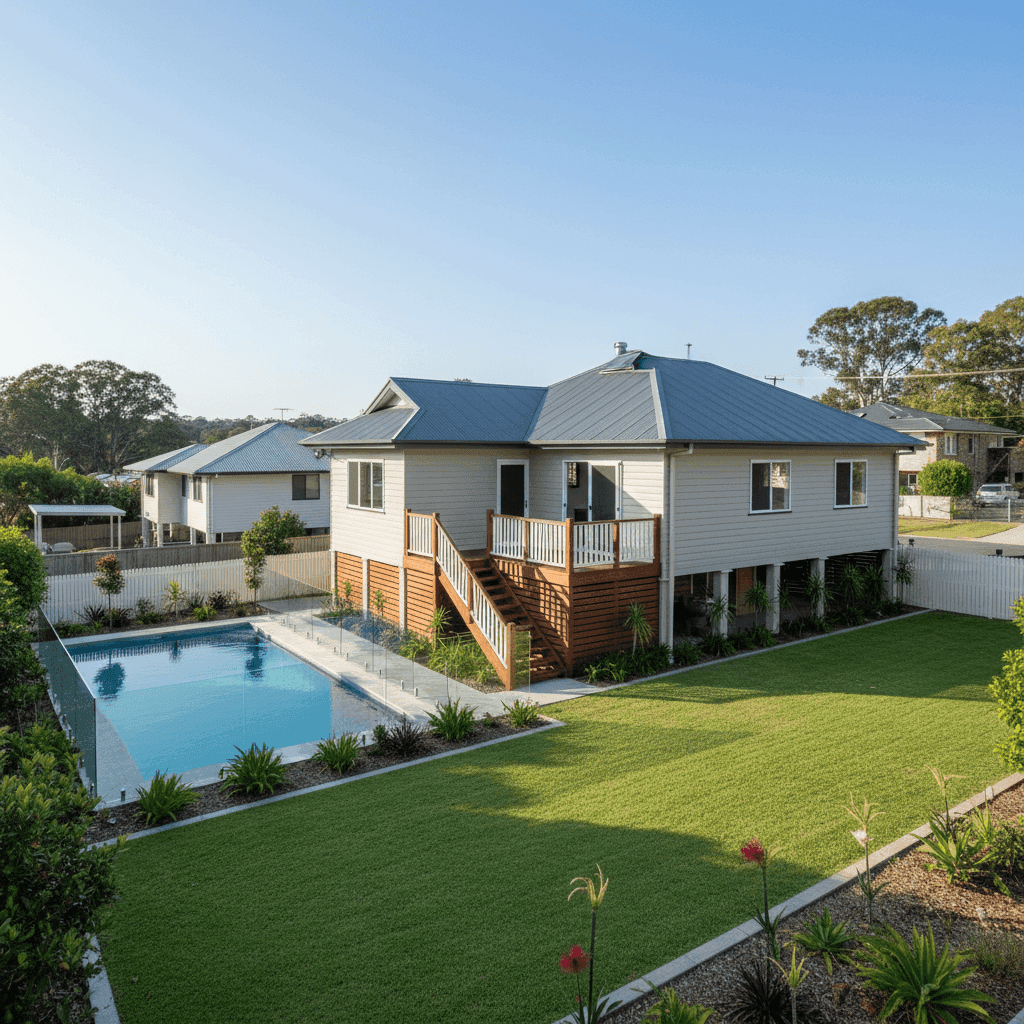
Port Macquarie is one of the Mid North Coast's most sought-after places to live — a relaxed coastal town with a strong sense of community and plenty of natural beauty. But owning property here, like anywhere in New South Wales, comes with the responsibility of protecting your most valuable asset. This article breaks down a real home and contents insurance quote for a 2-bedroom free standing home in Port Macquarie (NSW 2444), rated cheap (below average) at $1,890 per year, and puts it in context against local, state, and national benchmarks.
---
Is This Quote Fair?
The short answer: yes — this is an excellent result.
At $1,890 per year (or roughly $176 per month), this quote sits just below the suburb's 25th percentile of $1,916/yr, meaning it's cheaper than approximately 75% of comparable quotes sourced for Port Macquarie. Our price rating system has flagged it as Cheap (Below Average), which is a strong signal that this policyholder is getting genuine value.
To put that in perspective:
- The suburb average for Port Macquarie is $5,395/yr — nearly three times this quote
- The suburb median sits at $3,272/yr — still 73% higher
- The NSW state average is $3,801/yr
- The national average is $2,965/yr
Even against the most favourable benchmark — the national average — this quote comes in 36% cheaper. That's a meaningful saving, especially when you factor in that the policy covers both building (insured for $300,000) and contents (insured for $30,000).
It's worth noting that the building excess is set at $2,000 and the contents excess at $600. A higher building excess is one way premiums are kept lower, so homeowners should make sure they're comfortable covering that amount out of pocket in the event of a claim before locking in the policy.
---
How Port Macquarie Compares
Port Macquarie sits within the Port Macquarie-Hastings LGA, which records an average premium of $5,055/yr — higher than both the NSW and national averages. This reflects the elevated risk profile of coastal Mid North Coast properties, which can be exposed to storm damage, flooding, and other weather-related events.
Here's a quick snapshot of how the numbers stack up:
| Benchmark | Average Premium |
|---|---|
| This quote | $1,890/yr |
| Port Macquarie (suburb) | $5,395/yr |
| Port Macquarie-Hastings LGA | $5,055/yr |
| NSW State Average | $3,801/yr |
| National Average | $2,965/yr |
The wide spread between the suburb's 25th percentile ($1,916/yr) and 75th percentile ($6,631/yr) tells an important story: premiums in Port Macquarie vary enormously depending on the specific property. Factors like flood zone mapping, proximity to the coast, construction type, and elevation can all push a quote significantly higher — or in this case, lower.
You can explore the full data for this suburb at CoverClub's Port Macquarie stats page, compare it against NSW-wide insurance data, or see how it measures up against national benchmarks.
---
Property Features That Affect Your Premium
Several characteristics of this particular home likely contribute to its favourable premium. Understanding these can help other Port Macquarie homeowners know what insurers are looking at when pricing their policy.
Elevated Foundation (Stumps)
This home is elevated by at least 1 metre on stumps — a classic construction style common across coastal and regional NSW. Elevation is a significant factor in flood risk assessment. A raised home is far less susceptible to inundation during heavy rainfall events, and insurers typically reward this with lower flood-related loadings. In a region like Port Macquarie, where parts of the floodplain have historically been affected by the Hastings River, this is a meaningful advantage.
Steel/Colorbond Roof
A Colorbond steel roof is generally viewed favourably by insurers. It's durable, fire-resistant, and holds up well in high-wind conditions compared to older tile or corrugated iron roofing. This can contribute to lower storm and impact-related risk assessments.
Vinyl Cladding Exterior
Vinyl cladding is a lightweight, low-maintenance wall material. While it doesn't carry the same fire resistance rating as brick veneer, it performs reasonably well in wind events and is less prone to moisture damage than some timber alternatives. Its impact on premiums is generally neutral to slightly positive.
Timber/Laminate Flooring
Timber and laminate floors are common in elevated homes. From an insurance perspective, they can be more susceptible to water damage than tiles, but this is typically factored into the contents or building sum insured rather than causing a significant premium loading.
No Cyclone Risk Area
Port Macquarie falls outside designated cyclone risk zones, which removes one of the more significant premium drivers seen in Far North Queensland and parts of Western Australia. This alone can make a substantial difference to the cost of cover.
Pool on Property
The property includes a swimming pool, which adds some liability and replacement cost considerations to the policy. Pools are generally straightforward to insure but do contribute modestly to the overall sum insured and associated premium.
---
Tips for Homeowners in Port Macquarie
Whether you're renewing an existing policy or shopping around for the first time, here are some practical steps to make sure you're getting the best value on your home insurance.
1. Check your flood zone status Not all of Port Macquarie carries the same flood risk. Properties closer to the Hastings River or low-lying areas may attract significant flood loadings. Use the NSW Flood Check Property Report to understand your property's specific risk, and make sure your insurer is pricing flood cover accurately — not just applying a blanket loading.
2. Review your sum insured annually Building costs in regional NSW have risen sharply over the past few years. A sum insured of $300,000 for a 105 sqm home may be appropriate today, but it's worth revisiting each year using a building cost calculator to ensure you're not underinsured — particularly given the elevated construction style, which can cost more to rebuild.
3. Compare quotes before renewing Loyalty doesn't always pay in the insurance industry. Insurers frequently offer better rates to new customers than they do to existing ones. Tools like CoverClub make it easy to see what multiple insurers would charge for your specific property before you commit to renewing.
4. Consider your excess settings carefully This quote carries a $2,000 building excess. While a higher excess reduces your premium, it means you'll need to cover more out of pocket if something goes wrong. Think about whether that trade-off suits your financial situation — and if you have an emergency fund that could absorb that cost comfortably.
---
Ready to Compare Your Own Quote?
If you own a home in Port Macquarie or anywhere else in Australia, it pays to see what the market is offering before you renew. CoverClub aggregates real quote data so you can benchmark your current premium against what others are actually paying. Get a quote today at CoverClub and find out whether your policy is genuinely competitive — or whether there's a better deal waiting for you.