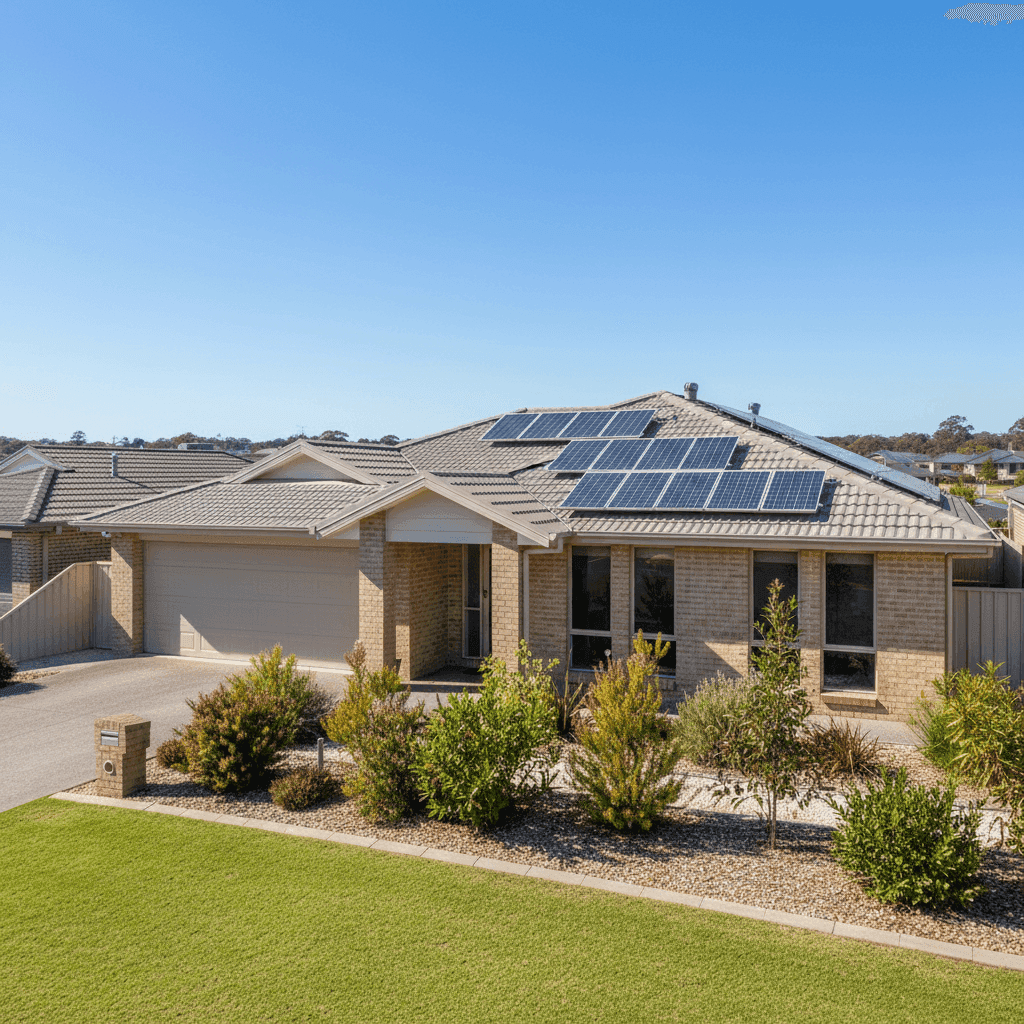
If you own a free standing home in Port Macquarie, NSW 2444, you've probably noticed that home insurance premiums can vary wildly depending on who you ask — and what your property looks like. This article breaks down a real home and contents insurance quote for a four-bedroom, two-bathroom brick veneer home in the area, and puts the numbers in context so you can judge whether you're getting a fair deal.
---
Is This Quote Fair?
The quote in question comes in at $4,047 per year (or $388 per month) for combined home and contents cover, with a building sum insured of $1,000,000 and contents valued at $115,000. Both the building and contents excess are set at $5,000.
Our price rating for this quote is Expensive (Above Average).
To understand why, it helps to look at where this premium sits relative to other quotes in the same postcode. Based on 219 quotes collected for Port Macquarie (2444):
- 25th percentile: $1,773/yr
- Median: $2,646/yr
- 75th percentile: $3,876/yr
- Suburb average: $8,890/yr
At $4,047/yr, this quote sits just above the 75th percentile, meaning it's pricier than roughly three-quarters of comparable quotes in the suburb. That said, it's well below the suburb average of $8,890 — a figure that's heavily skewed by a handful of very high-cost quotes in the dataset.
The key takeaway? This isn't the most expensive quote you could get in Port Macquarie, but it's firmly in the upper range. Whether that's justified depends on the specifics of the property — and there are a few features here that do push premiums upward (more on that below).
---
How Port Macquarie Compares
It's worth zooming out to see how Port Macquarie stacks up against broader benchmarks. According to NSW home insurance data:
| Benchmark | Average | Median |
|---|---|---|
| Port Macquarie (2444) | $8,890/yr | $2,646/yr |
| NSW State | $9,528/yr | $3,770/yr |
| National | $5,347/yr | $2,764/yr |
| Port Macquarie-Hastings LGA | $7,001/yr | — |
A few things stand out here. The median premium in Port Macquarie ($2,646) is actually lower than both the NSW median ($3,770) and the national median ($2,764) — suggesting that for straightforward properties in the area, cover can be quite competitive. However, the suburb average is dragged up significantly, pointing to a spread of very expensive policies at the top end of the market.
The quote we're analysing ($4,047) sits above the Port Macquarie median but below both the NSW and LGA averages — a nuanced position that reflects the property's above-average features and relatively high sum insured.
---
Property Features That Affect Your Premium
Not all homes are priced the same, and this particular property has several characteristics that insurers weigh carefully.
Construction & Materials
The home is built with brick veneer external walls and a concrete tile roof — both of which are generally viewed favourably by insurers. Brick veneer is durable and fire-resistant, while concrete roofing tends to hold up well against weather events. These materials typically attract lower premiums compared to, say, weatherboard walls or corrugated iron roofing.
Foundation & Age
A slab foundation is standard for homes of this era and generally considered low-risk. Built in 2015, this is a relatively modern property, which means it was constructed to current building codes — another factor that can work in your favour when it comes to pricing.
Flooring
Timber and laminate flooring is listed as a feature, and while it adds to the aesthetic and resale appeal of the home, it can increase the cost of contents or building reinstatement if damaged by water or impact. Insurers may factor this into their pricing.
Above-Average Fittings
The property is noted as having above-average fittings quality. This is significant — premium fixtures, high-end appliances, and quality finishes cost more to repair or replace, and insurers price accordingly. This is one of the more likely contributors to the above-average premium rating.
Solar Panels
The presence of solar panels adds value to the property but also introduces an additional risk consideration. Panels can be damaged by hail, storms, or falling debris, and their replacement cost is non-trivial. Some insurers cover solar panels automatically under building insurance; others require you to specifically check that they're included.
Ducted Climate Control
Ducted air conditioning is another premium feature that adds to the overall reinstatement cost of the building. Like high-quality fittings, it's the kind of inclusion that nudges building sum insured — and therefore premiums — upward.
High Sum Insured
At $1,000,000 for the building, this is a relatively high sum insured for a 214 sqm home, even accounting for the above-average finishes. It's worth reviewing whether this figure accurately reflects the cost to rebuild (not the market value) of the property. Overinsuring can unnecessarily inflate your premium.
---
Tips for Homeowners in Port Macquarie
1. Review Your Building Sum Insured
The single biggest lever you have on your premium is the sum insured. Make sure your building cover reflects the current rebuild cost of your home — not its market value, which includes land. Use a building cost calculator or ask a quantity surveyor if you're unsure. A $1,000,000 sum insured may be appropriate for this property given its finishes, but it's worth verifying.
2. Confirm Solar Panel Coverage
If you have solar panels (as this property does), explicitly check your policy wording to confirm they're covered under the building section. Some policies include them automatically; others treat them as an optional extra. Given the cost of modern solar systems, this is not a detail to overlook.
3. Shop Around — Especially in This Postcode
The wide spread between the 25th percentile ($1,773) and the suburb average ($8,890) in Port Macquarie tells you one thing clearly: insurers price this suburb very differently. There's significant room to find a better deal by comparing multiple quotes. Don't assume your renewal price is competitive.
4. Consider Your Excess Strategy
Both the building and contents excess on this policy are set at $5,000 — which is on the higher side. A higher excess generally lowers your premium, but it means a larger out-of-pocket cost when you claim. Make sure this level of excess is genuinely affordable for you in a worst-case scenario, and consider whether a lower excess (at a slightly higher premium) might offer better peace of mind.
---
Compare Your Options with CoverClub
Whether you're renewing your existing policy or shopping for cover on a new property, comparing quotes is the most effective way to make sure you're not overpaying. CoverClub makes it easy to see how your premium stacks up against real data from your suburb, your state, and across Australia — so you can make a genuinely informed decision. Enter your address and get started today.