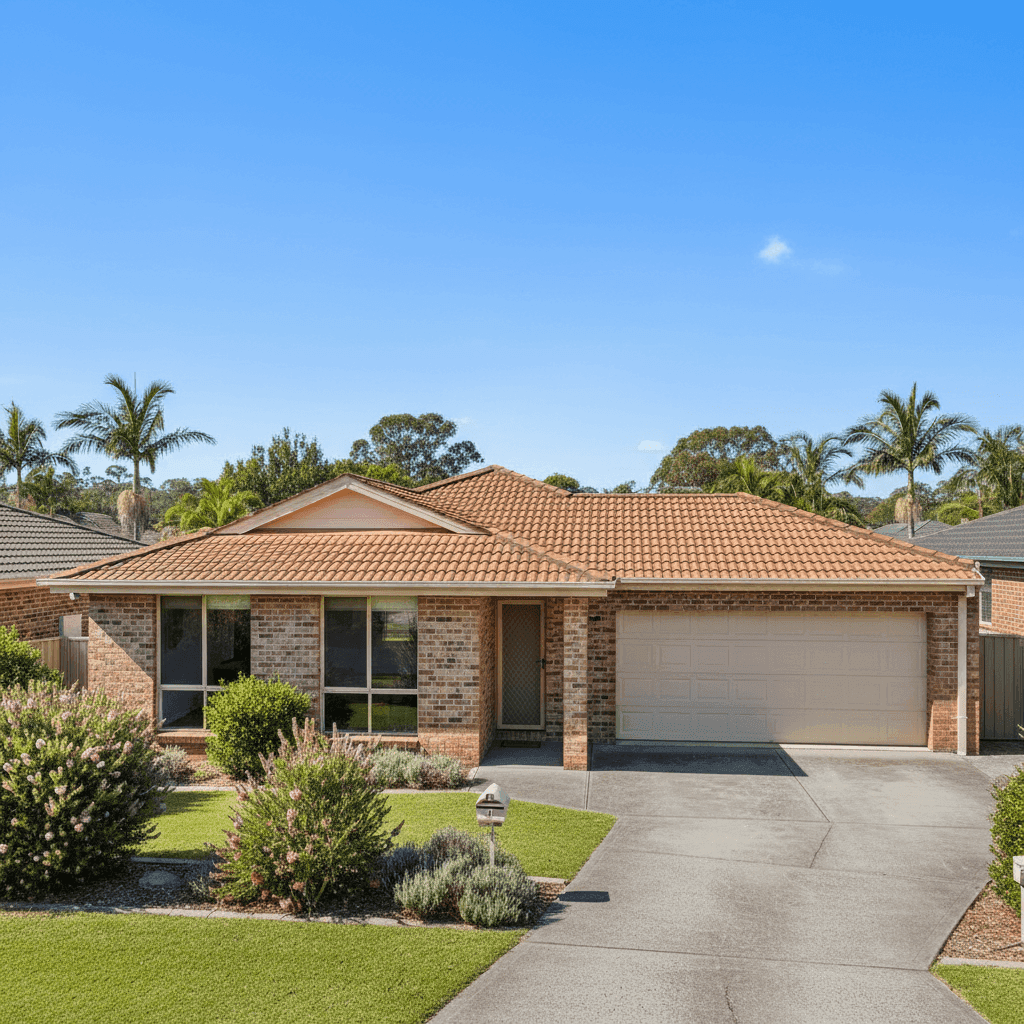
Port Macquarie is one of the Mid North Coast's most sought-after places to live — a coastal city that blends relaxed lifestyle with genuine liveability. But owning a home here comes with the same responsibilities as anywhere in Australia, and one of the most important is making sure your building is properly insured. In this article, we analyse a recent building-only insurance quote for a four-bedroom, free-standing home in Port Macquarie NSW 2444, and put the numbers in context so you can make a more informed decision about your own cover.
---
Is This Quote Fair?
The quoted annual premium for this property sits at $4,178 per year (or around $400 per month), covering the building only with a $1,000 excess and a sum insured of $751,000. Our price rating for this quote is Expensive — above average for the area.
To understand why, it helps to look at where this figure lands relative to local benchmarks. Based on 219 quotes collected for Port Macquarie (2444):
- 25th percentile: $1,773/yr
- Median: $2,646/yr
- 75th percentile: $3,876/yr
- Suburb average: $8,890/yr
At $4,178, this quote sits above the suburb median and above the 75th percentile, meaning it is pricier than roughly three-quarters of comparable quotes collected in the area. However, it is well below the suburb average of $8,890 — a figure that is likely skewed upward by a small number of very high-premium properties (often those with significant flood, storm surge, or bushfire exposure).
In practical terms, this quote is not at the extreme end of the market, but there is meaningful room to explore whether a better price is available for the same level of cover.
---
How Port Macquarie Compares
Zooming out beyond the suburb gives useful perspective on where Port Macquarie sits in the broader insurance landscape.
| Benchmark | Average Premium | Median Premium |
|---|---|---|
| Port Macquarie (2444) | $8,890/yr | $2,646/yr |
| Port Macquarie-Hastings LGA | $7,001/yr | — |
| NSW | $9,528/yr | $3,770/yr |
| National | $5,347/yr | $2,764/yr |
A few things stand out here. First, NSW as a whole carries some of the highest average premiums in the country — driven by flood plains, coastal storm risk, and bushfire-prone land across the state. The national average of $5,347 is actually lower than the NSW average, reflecting the concentration of high-risk properties in this state.
Second, the gap between averages and medians across all benchmarks is significant. This tells us that premium distributions are heavily skewed — a relatively small number of very expensive policies pull the averages upward. The median is often a more realistic guide to what a typical homeowner pays.
At $4,178, this quote is above the national median ($2,764) and the local suburb median ($2,646), but below the NSW median ($3,770) — placing it in a middle band that suggests the property's risk profile is being priced at a moderate-to-elevated level.
---
Property Features That Affect Your Premium
Several characteristics of this property will be influencing the quoted premium, both positively and negatively.
Brick veneer construction is generally viewed favourably by insurers. It offers solid resistance to fire and wind compared to lightweight cladding materials, and it's a common build type that insurers have well-established pricing models for. This likely works in the homeowner's favour.
Tiled roof is similarly a low-risk characteristic. Tiles are durable, fire-resistant, and less prone to storm damage than some alternatives like corrugated iron in poor condition. Combined with a slab foundation, this is a structurally sound and well-understood construction type for insurers.
Year of construction (2007) means the home was built under relatively modern building codes, which typically include improved cyclone, flood, and fire-resistance standards compared to older homes. This should contribute to a more competitive premium.
214 sqm of building area and a $751,000 sum insured are on the higher end for a standard residential property, and the sum insured in particular will have a direct bearing on the premium. It's worth periodically checking that your sum insured reflects current rebuild costs — neither over-insuring nor under-insuring.
Ducted climate control is a fixed feature that adds to the replacement value of the home, and insurers factor this into building cover calculations. Without a pool or solar panels, there are fewer ancillary risk factors for the insurer to price in.
Finally, Port Macquarie's location on the Mid North Coast means the property is exposed to storm and heavy rainfall events, which are a consistent feature of the region's climate. While it is not classified as a cyclone risk area, the broader coastal and riverine flood risk in the Hastings region can push premiums higher than inland equivalents.
---
Tips for Homeowners in Port Macquarie
1. Shop around — seriously. With the suburb median sitting at $2,646 and this quote at $4,178, there is a material difference worth investigating. Insurers price risk differently, and even for the same property, premiums can vary by hundreds or thousands of dollars. Use a comparison tool like CoverClub to see multiple quotes side by side.
2. Review your sum insured annually. Construction costs in regional NSW have risen sharply in recent years. Make sure your $751,000 sum insured still reflects what it would actually cost to rebuild your home today — not what it cost five years ago. Underinsurance is a common and costly mistake.
3. Check your flood and storm cover carefully. Port Macquarie has experienced significant flood and storm events, and not all policies treat these risks the same way. Some policies exclude flood entirely, or define it narrowly. Read the Product Disclosure Statement (PDS) closely and confirm exactly what weather-related events are covered.
4. Ask about discounts for security and safety features. If your home has monitored security, deadbolts, or fire detection systems, some insurers will reduce your premium. It's always worth asking — these savings aren't always advertised upfront.
---
Compare Your Home Insurance Today
Whether you're renewing your policy or shopping for the first time, it pays to compare. CoverClub makes it easy to see how your quote stacks up against real data from your suburb and across Australia. Enter your address and get started — it only takes a few minutes and could save you hundreds of dollars a year.