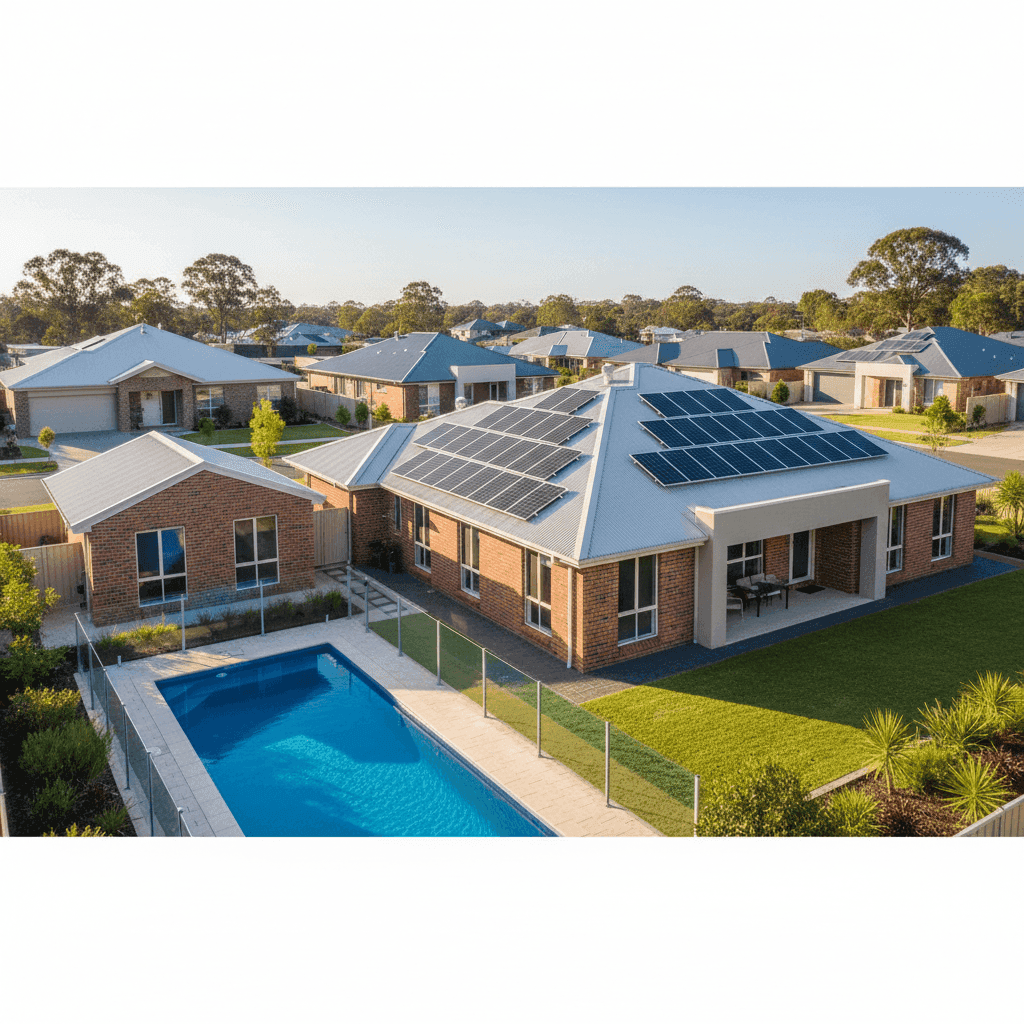
If you own a free standing home in Primrose Valley, NSW 2621, you might be wondering whether you're paying a fair price for home and contents insurance — or whether there's a better deal waiting to be found. This article breaks down a real insurance quote for a three-bedroom brick veneer home in the area, compares it against local, state, and national benchmarks, and offers practical tips to help you get the most out of your cover.
---
Is This Quote Fair?
The quote in question comes in at $4,100 per year (or $398 per month) for combined home and contents insurance, covering a building sum insured of $936,000 and contents valued at $235,000. The building excess is $2,500, and the contents excess is $500.
Our price rating for this quote? Cheap — below average. That's a strong result.
To put it in perspective: the NSW state average premium sits at $9,528 per year, meaning this quote comes in at less than half the typical NSW homeowner's annual bill. Even against the NSW median of $3,770 per year, this quote is only marginally higher — and given the level of cover on offer (nearly $1.2 million in combined protection), that represents genuine value.
Nationally, the picture is similar. The national average premium is $5,347 per year, and the national median is $2,764 per year. This quote sits above the national median but well below the national average — a reasonable position for a property of this size and specification.
In short, for a 214 sqm home with a pool, solar panels, and a granny flat, $4,100 per year is a competitive outcome.
---
How Primrose Valley Compares
Suburb-level data for Primrose Valley isn't yet available in our database, but the surrounding region tells an interesting story. The Snowy Monaro LGA average premium is $2,614 per year — notably lower than both the state and national averages. This suggests that properties in this part of regional NSW tend to attract more affordable premiums, likely due to lower population density, reduced crime rates, and a relatively modest natural disaster risk profile compared to coastal or flood-prone areas.
Here's a quick snapshot of where this quote sits:
| Benchmark | Annual Premium |
|---|---|
| This Quote | $4,100 |
| Snowy Monaro LGA Average | $2,614 |
| NSW State Median | $3,770 |
| NSW State Average | $9,528 |
| National Median | $2,764 |
| National Average | $5,347 |
While the quote is above the Snowy Monaro LGA average, it's important to remember that this property has a significantly higher sum insured ($936,000 for building alone) and additional features — including a pool, solar panels, and a granny flat — that all contribute to a higher replacement cost and, therefore, a higher premium. Adjusting for those factors, the quote holds up well.
You can explore more detailed Primrose Valley insurance statistics here as our data continues to grow.
---
Property Features That Affect Your Premium
Several characteristics of this particular property have a direct bearing on what insurers charge. Understanding them can help you make sense of your own quote.
Brick Veneer Walls & Colorbond Roof
Brick veneer construction is generally viewed favourably by insurers — it's durable, fire-resistant, and widely understood. Paired with a steel Colorbond roof, this combination offers solid weather protection and is common across regional NSW. Colorbond roofing is particularly well-regarded for its resilience against hail and high winds, which can translate to more competitive premiums.
Slab Foundation & Tiled Flooring
A concrete slab foundation is a stable, low-maintenance base that insurers tend to price neutrally to positively. Tiled flooring, meanwhile, is durable and resistant to water damage — another modest tick in the insurer's favour when assessing risk.
Swimming Pool
A pool adds both value and liability. Insurers factor in the cost of pool repair or replacement, as well as the associated public liability exposure. Homeowners with pools should ensure their policy explicitly covers pool infrastructure, including pumps, filters, and fencing.
Solar Panels
Solar panels are increasingly common across Australian homes, but they do add to the replacement cost of a property. A 214 sqm home built in 1986 with a modern solar system will cost more to rebuild than a comparable home without one — and your sum insured should reflect that. The good news is that many insurers now include solar panels as part of standard building cover.
Granny Flat
The presence of a granny flat is a meaningful factor. It adds to the overall floor space and replacement cost of the property, and some insurers treat it as a separate structure requiring specific coverage. It's worth confirming with your insurer that the granny flat is fully included under your building sum insured.
Standard Fittings & 1986 Construction
The home's standard fittings quality and 1986 build year suggest a property that's functional and well-established, without the premium price tag of high-end finishes. Older homes can sometimes attract higher premiums due to the cost of sourcing period-appropriate materials for repairs, but standard fittings help keep costs in check.
---
Tips for Homeowners in Primrose Valley
1. Review Your Sum Insured Annually
With a building sum insured of $936,000, it's essential to keep this figure up to date. Construction costs have risen significantly across regional NSW in recent years, and being underinsured — even by 10–15% — can leave you seriously out of pocket after a major claim. Use a building cost calculator or speak to a quantity surveyor to validate your figure each year.
2. Confirm Your Granny Flat Is Fully Covered
Not all policies automatically include secondary dwellings in the standard building sum insured. Check your Product Disclosure Statement (PDS) carefully to ensure the granny flat, its fixtures, and any separate utility connections are explicitly covered.
3. Document Your Contents Thoroughly
With $235,000 in contents cover, it pays to maintain an up-to-date home inventory. Photograph valuable items, keep receipts where possible, and store records securely (a cloud backup works well). This makes the claims process far smoother if the worst happens.
4. Consider Your Excess Strategy
This policy carries a $2,500 building excess — on the higher side. A higher excess typically lowers your premium, but it also means a larger out-of-pocket cost when you claim. Think about whether that trade-off suits your financial situation, and compare quotes with different excess levels to find the right balance.
---
Compare Quotes and Find Better Value
Whether this quote is right for your situation depends on your specific needs, risk tolerance, and budget. The good news is that Primrose Valley appears to sit in a relatively affordable insurance zone — and there may be even better options available with a little comparison shopping.
At CoverClub, we make it easy to compare home and contents insurance quotes from multiple insurers in one place. Get a quote today and see how your current premium stacks up — you might be surprised at what you could save.