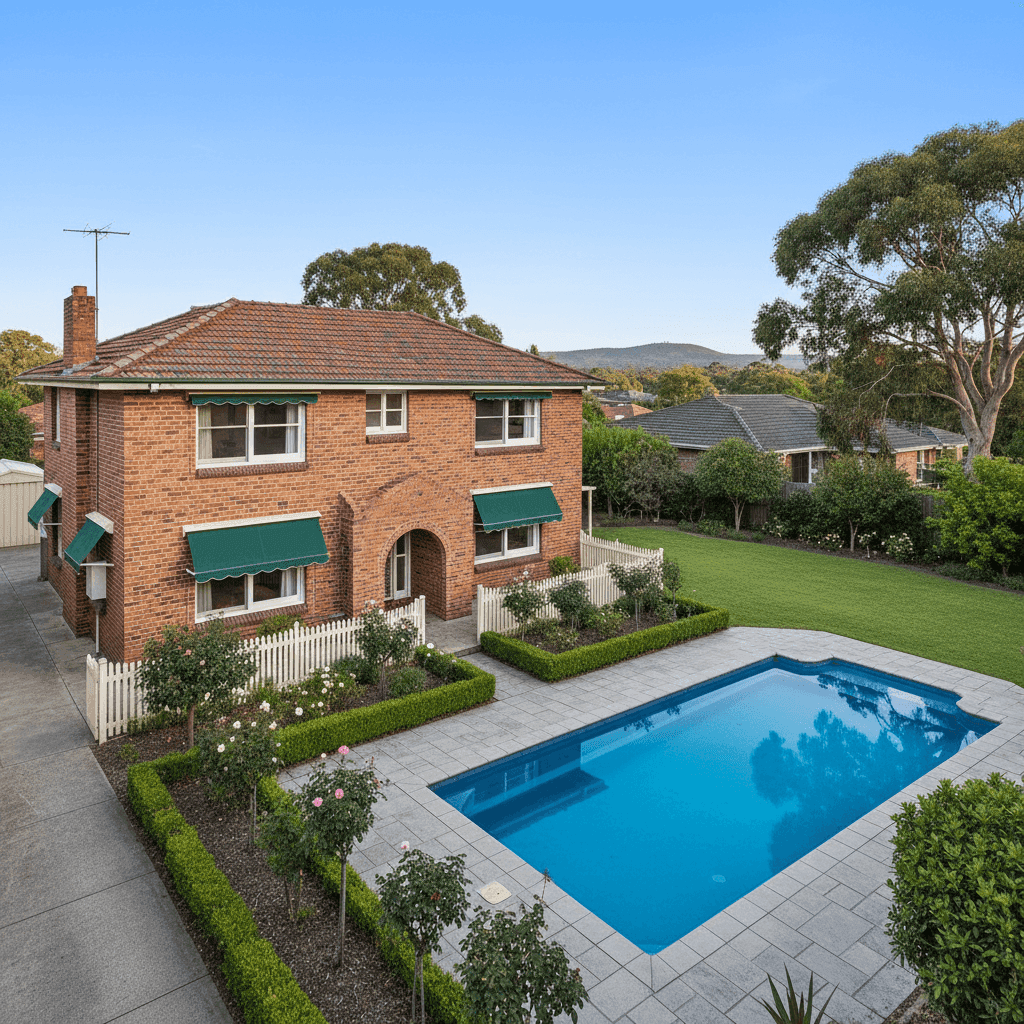
If you own a free standing home in Prospect, NSW 2148, you already know it's a well-established suburb in Sydney's Greater Western region — characterised by solid family homes, tree-lined streets, and a strong sense of community. But when your annual home insurance renewal lands in the letterbox, it can be hard to know whether you're getting a fair deal or quietly overpaying. This article breaks down a real building insurance quote for a five-bedroom property in Prospect, compares it against local, state, and national benchmarks, and offers practical tips to help you make a more informed decision.
---
Is This Quote Fair?
The quote in question is $5,512 per year (or $528 per month) for building-only cover on a five-bedroom, three-bathroom free standing home, with a building sum insured of $1,310,000 and a standard $1,000 excess.
Our pricing analysis rates this quote as Expensive — above average for the area.
To put that in perspective:
- The suburb average for Prospect (2148) sits at just $1,765/yr, with a median of $1,441/yr
- The 75th percentile in the suburb is $2,284/yr — meaning this quote is more than double what most Prospect homeowners are paying
- Even against the national average of $5,347/yr, this quote is slightly above the mark
At first glance, that gap looks alarming. But context matters enormously here. This is a large, high-value property — 367 sqm of living space, above-average fittings, a swimming pool, and ducted climate control. The sum insured of $1.31 million reflects a substantial rebuild cost, and insurers price premiums proportionally to the amount they'd be liable to pay out. A modest three-bedroom home in the same suburb with a $500,000 sum insured will naturally attract a much lower premium.
That said, even accounting for the property's size and value, it's worth shopping around. A quote rated "expensive" is a signal — not a verdict — that there may be better value available elsewhere.
---
How Prospect Compares
Understanding where Prospect sits in the broader insurance landscape helps frame whether this quote reflects a local pricing issue or something more property-specific.
| Benchmark | Average Premium | Median Premium |
|---|---|---|
| Prospect (2148) | $1,765/yr | $1,441/yr |
| Cumberland LGA | $2,285/yr | — |
| NSW (State) | $9,528/yr | $3,770/yr |
| National | $5,347/yr | $2,764/yr |
A few things stand out. Prospect's suburb average of $1,765/yr is well below the national median of $2,764/yr, suggesting the area is generally considered lower risk by insurers — no cyclone exposure, relatively low flood risk in most parts, and a mature built environment. The Cumberland LGA average of $2,285/yr aligns closely with the suburb's 75th percentile, indicating that higher-value properties in the area do push premiums upward.
The NSW state average of $9,528/yr looks startling, but it's heavily skewed by high-risk coastal and flood-prone properties elsewhere in the state. The NSW median of $3,770/yr is a more reliable yardstick for comparison.
You can explore detailed pricing data for your postcode at the Prospect (2148) suburb stats page, or broaden your view with NSW state insurance statistics and national home insurance benchmarks.
---
Property Features That Affect Your Premium
Several characteristics of this particular property have a direct bearing on what insurers charge. Here's how each one plays into the pricing:
Double Brick Construction Double brick is generally viewed favourably by insurers — it's durable, fire-resistant, and less susceptible to storm damage than timber or clad alternatives. This should, in theory, work in the homeowner's favour when it comes to premiums.
Tiled Roof Terracotta or concrete tile roofs are considered mid-range in terms of risk. They perform well in moderate weather conditions but can be more costly to repair or replace than Colorbond, which can slightly elevate premiums compared to metal roofing.
Slab Foundation A concrete slab is one of the more stable foundation types and is standard for homes built in the late 1990s across Western Sydney. It poses minimal additional risk from a structural perspective.
Large Floor Area (367 sqm) and High Sum Insured ($1,310,000) This is likely the single biggest driver of the elevated premium. Rebuilding a 367 sqm home with above-average fittings in Sydney's current construction market is genuinely expensive. Insurers calculate premiums as a function of rebuild cost, so a $1.31 million sum insured will always attract a higher premium than the suburb norm.
Swimming Pool Pools add liability exposure and increase the complexity of a rebuild. Most insurers factor this into their pricing, particularly for above-ground plumbing, filtration systems, and associated structures like decking or fencing.
Ducted Climate Control Ducted air conditioning systems are a significant asset — and a costly one to repair or replace. Including this in your sum insured is the right call, but it does contribute to a higher overall rebuild value.
Above-Average Fittings Premium finishes, quality appliances, and upgraded fixtures all increase the cost per square metre to rebuild. Insurers account for this when assessing the sum insured, and it flows through to the annual premium.
---
Tips for Homeowners in Prospect
1. Review Your Sum Insured Carefully The most common mistake homeowners make is either underinsuring (leaving themselves exposed in a total loss) or overinsuring (paying premiums on a rebuild cost that's higher than necessary). For a property of this size and specification, it's worth getting an independent building valuation every few years to ensure your sum insured reflects current construction costs — not a figure that's drifted over time.
2. Compare Quotes Before Renewing Loyalty rarely pays in home insurance. Insurers routinely offer their best rates to new customers, meaning long-standing policyholders often end up overpaying. With this quote rated as expensive, comparing alternatives through a platform like CoverClub could uncover meaningful savings without reducing your level of cover.
3. Consider Your Excess Level The current excess is set at $1,000, which is fairly standard. However, opting for a higher voluntary excess — say $2,500 or $5,000 — can reduce your annual premium noticeably. Given the high sum insured on this property, even a modest percentage reduction in premium could translate to hundreds of dollars saved each year.
4. Bundle Where It Makes Sense — But Check the Numbers Some insurers offer discounts when you combine building and contents cover under one policy. If contents cover is on your radar, it's worth getting a combined quote to see whether the bundled price beats separate policies. Just make sure the contents sum insured is adequate — don't accept a default figure that leaves your belongings underprotected.
---
Ready to Compare?
A quote rated "expensive" is a prompt to act, not a reason to panic. With a property of this size and value, there will always be a premium to pay — but there's no reason to pay more than the market demands. Head to CoverClub to compare building insurance quotes for your Prospect home and see whether you can get the same level of protection for less.