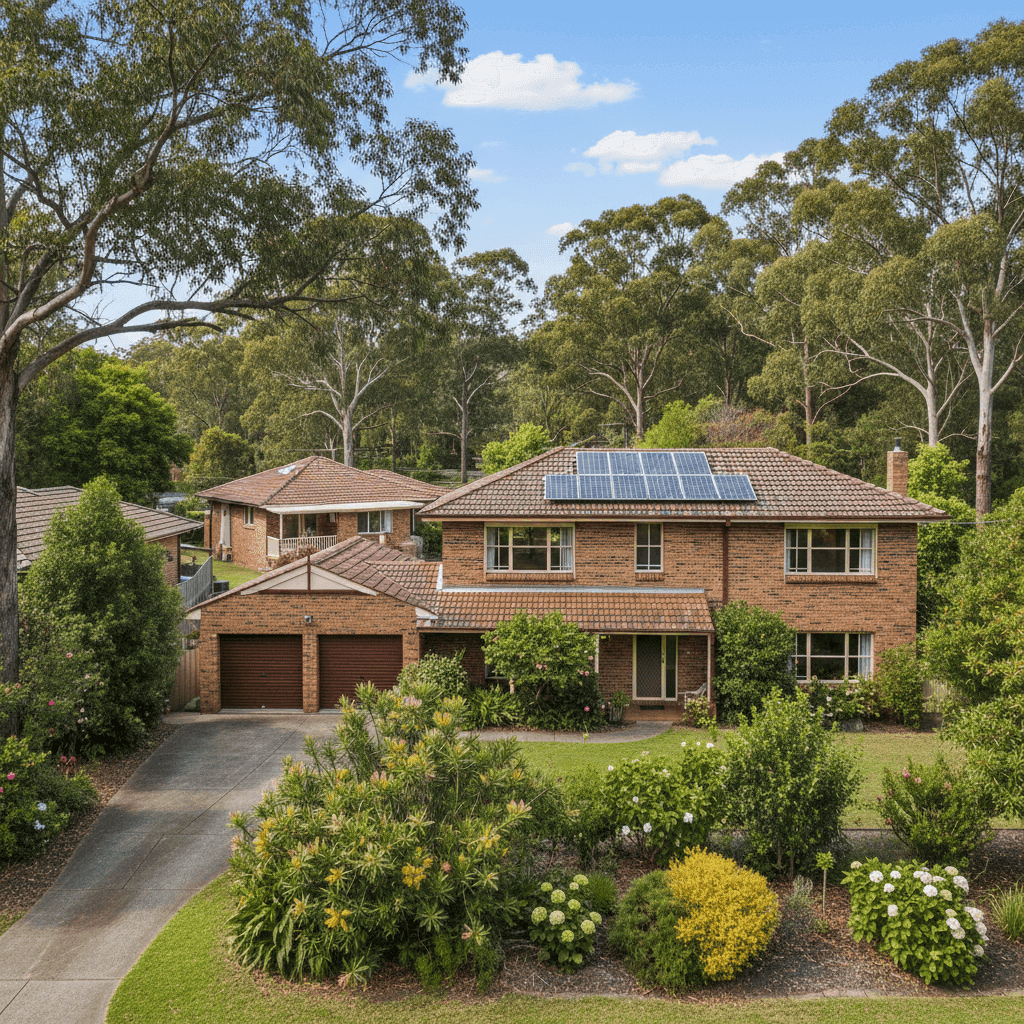
If you own a free standing home in Pymble, NSW 2073, you already know it's one of Sydney's most sought-after leafy suburbs on the Upper North Shore. But with desirable real estate comes the responsibility of protecting it — and that means getting home insurance right. This article breaks down a real home and contents insurance quote for a five-bedroom property in Pymble, compares it against suburb, state, and national benchmarks, and offers practical advice for homeowners looking to get better value on their cover.
---
Is This Quote Fair?
The quote in question comes in at $4,677 per year (or $448 per month) for combined home and contents cover, with a building sum insured of $950,000 and contents valued at $93,000. Both the building and contents excess are set at $1,000.
Based on our pricing data, this quote is rated Expensive — above average for the Pymble area.
To put that in context:
- The suburb average for Pymble (NSW 2073) is $4,219/yr, and the median sits at $4,273/yr
- This quote is approximately $458 above the suburb average and sits well above the 75th percentile of $4,411/yr — meaning it's more expensive than at least three-quarters of comparable quotes in the area
That said, "expensive" doesn't necessarily mean "wrong." A higher premium can reflect legitimate risk factors tied to the specific property — more on that below. But it does signal that this homeowner may benefit from shopping around.
---
How Pymble Compares
Understanding where Pymble sits in the broader insurance landscape is useful context. Here's a quick snapshot:
| Benchmark | Annual Premium |
|---|---|
| Pymble (suburb average) | $4,219 |
| Pymble (suburb median) | $4,273 |
| Ku-ring-gai LGA average | $3,965 |
| NSW average | $9,528 |
| NSW median | $3,770 |
| National average | $5,347 |
| National median | $2,764 |
A few things stand out here. The NSW state average of $9,528 is dramatically higher than the median of $3,770 — a classic sign that a small number of very high-risk or high-value properties (think flood zones, bushfire-prone areas, and coastal regions) are pulling the average upward. Pymble's premiums are comfortably below the NSW average, which reflects its relatively low natural hazard exposure compared to many other parts of the state.
Compared to the national average of $5,347, this quote is actually slightly below — which is a reasonable result for a large, well-built home in an established Sydney suburb. However, it does sit above the national median of $2,764, which again reflects the higher property values and rebuild costs typical of the Ku-ring-gai area.
You can explore more local data on the Pymble suburb stats page, dig into NSW-wide insurance trends, or check out national home insurance benchmarks to see how your situation stacks up.
---
Property Features That Affect Your Premium
Several characteristics of this particular property are worth examining, as they directly influence what insurers charge.
Size and Age
At 214 sqm with five bedrooms and three bathrooms, this is a substantial home. Larger homes cost more to rebuild, which pushes up the building sum insured — and in turn, the premium. A $950,000 building sum insured is significant, though not unusual for a home of this size and quality in Pymble, where construction costs and land values are well above the national average.
Built in 1967, the home is now nearly 60 years old. Older properties can attract slightly higher premiums due to ageing infrastructure — plumbing, wiring, and roofing materials may be more prone to failure. However, the brick veneer construction and tiled roof are both considered solid, low-risk building types by most insurers, which helps offset some age-related loading.
Foundation and Flooring
The slab foundation is generally viewed favourably by insurers — it's stable, less susceptible to subsidence, and common in post-war construction across Sydney. The timber and laminate flooring is worth noting for contents cover, as timber floors can be costly to repair or replace if damaged by water or impact.
Solar Panels
The presence of solar panels is increasingly common in Australian homes, but it does add a layer of complexity to insurance. Panels need to be covered for storm damage, hail, and fire, and some insurers include them under building cover while others require separate endorsement. It's worth confirming exactly how your policy treats solar panels — both for damage to the panels themselves and for any liability if they cause a fire.
Ducted Climate Control
Ducted air conditioning is a meaningful asset in a home like this. It adds to the replacement value of the building and can be expensive to repair if damaged. Ensuring it's adequately captured in your building sum insured is important.
Granny Flat
The inclusion of a granny flat on the property adds another layer of consideration. Many standard home insurance policies cover secondary dwellings on the same title, but coverage limits and conditions vary widely between insurers. Some policies may cap the value covered for outbuildings or ancillary structures, so it's essential to check that the granny flat — including its fixtures and any contents — is properly accounted for in your policy.
---
Tips for Homeowners in Pymble
1. Review Your Building Sum Insured Carefully
With a rebuild cost of $950,000, it's critical to ensure this figure is accurate and up to date. Underinsurance is one of the most common — and costly — mistakes homeowners make. Construction costs in Sydney have risen sharply in recent years, so if your sum insured hasn't been reviewed recently, it may no longer reflect actual rebuild costs. Use a professional quantity surveyor or your insurer's calculator to verify.
2. Confirm Your Granny Flat Is Fully Covered
Not all policies automatically extend full cover to secondary dwellings. Ask your insurer directly: Is the granny flat included in the building sum insured? Are its fixtures and fittings covered? What about any contents within it? Getting clarity now avoids nasty surprises at claim time.
3. Check How Solar Panels Are Covered
Ask your insurer whether your solar panels are covered under the building section, whether there are any exclusions for storm or hail damage, and whether the inverter is included. Some policies treat panels as a listed item requiring specific mention in the schedule.
4. Compare Quotes — You Could Save Hundreds
Given this quote sits above the 75th percentile for the suburb, there's a real possibility that comparable cover is available at a lower price. Shopping around doesn't mean sacrificing quality — it means making sure you're not paying a premium that isn't justified by your risk profile. Even saving $300–$400 per year adds up significantly over time.
---
Ready to Compare?
Whether you're reviewing an existing policy or shopping for cover for the first time, comparing quotes is the smartest first step. CoverClub makes it easy to see how your premium stacks up and find competitive options tailored to your property. Get a home insurance quote today and see what Pymble homeowners are actually paying.