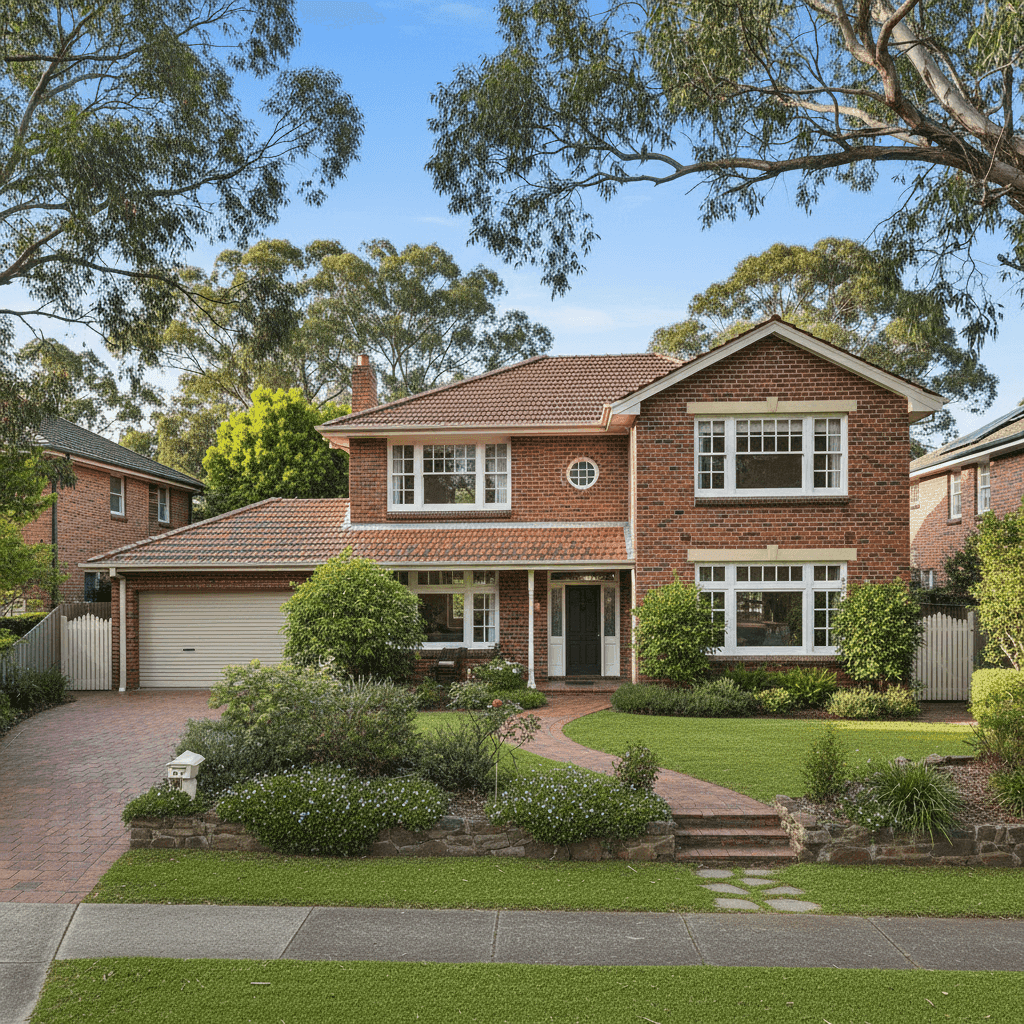
Pymble is one of Sydney's most sought-after Upper North Shore suburbs — a leafy, well-established neighbourhood in the Ku-ring-gai local government area known for its character homes, tree-lined streets, and strong property values. If you own a free standing home here, protecting it with the right insurance cover is essential. In this article, we break down a real home and contents insurance quote for a five-bedroom property in Pymble, examine how it stacks up against local and national benchmarks, and share practical tips to help you get better value on your premium.
---
Is This Quote Fair?
The quote in question comes in at $4,950 per year (or $474/month) for combined home and contents cover, with a building sum insured of $1,292,000 and contents valued at $50,000. Both the building and contents excess are set at $1,000.
Our price rating for this quote is Expensive — above average for the Pymble area.
To put that in context: the suburb average premium sits at $4,219/yr, and the median is $4,273/yr. This quote lands notably above both figures, and even clears the 75th percentile benchmark of $4,411/yr — meaning it's pricier than at least three-quarters of comparable quotes we've seen for this postcode.
That said, it's worth acknowledging what's being insured. A 286 sqm, five-bedroom, three-bathroom home built in 1955 with above-average fittings and a $1.29 million building sum insured is a substantial asset. The higher rebuild cost alone will naturally push premiums upward compared to smaller or more modestly appointed properties in the same suburb.
Still, the gap between this quote and the suburb median is roughly $677 per year — meaningful money that's worth shopping around for.
---
How Pymble Compares
Understanding where Pymble sits in the broader insurance landscape helps put this quote in perspective. Here's a snapshot:
| Benchmark | Premium |
|---|---|
| This quote | $4,950/yr |
| Pymble suburb average | $4,219/yr |
| Pymble suburb median | $4,273/yr |
| Pymble 25th percentile | $3,623/yr |
| Pymble 75th percentile | $4,411/yr |
| Ku-ring-gai LGA average | $3,965/yr |
| NSW average | $9,528/yr |
| NSW median | $3,770/yr |
| National average | $5,347/yr |
| National median | $2,764/yr |
A few things stand out here. The NSW average premium of $9,528/yr looks alarming at first glance, but the NSW median of $3,770/yr tells a more useful story — the average is heavily skewed by high-risk or high-value properties (think flood-prone regional areas and coastal properties). Pymble's premiums are broadly in line with the NSW median, which reflects the suburb's relatively low natural hazard risk profile.
Compared to the national average of $5,347/yr, this quote is slightly below — a sign that Pymble, despite its premium property values, benefits from a stable risk environment. The national median of $2,764/yr is considerably lower, but that figure includes a wide range of lower-value properties and lower-risk locations across Australia.
For a deeper look at how insurance costs track across the postcode, visit our Pymble suburb stats page, or explore the full NSW insurance data for broader context.
---
Property Features That Affect Your Premium
Several characteristics of this property directly influence the cost of cover. Understanding them can help you have a more informed conversation with insurers.
Age of Construction (1955)
Homes built in the mid-20th century carry unique risks. Older properties may have ageing plumbing, wiring, or structural elements that are costlier to repair or replace to current building standards. Insurers factor this in when calculating premiums, and it's one reason a 1955-built home may attract a higher rate than a newer equivalent.
Brick Veneer Walls
Brick veneer is one of the most common external wall types in Australian suburban homes, and insurers generally view it favourably. It offers solid fire resistance and durability, which can help moderate your premium compared to timber or weatherboard construction.
Tiled Roof
Terracotta or concrete tile roofs are considered a low-to-moderate risk by most insurers. They're durable and fire-resistant, though they can be expensive to repair if damaged by storm or impact. For a home of this size, roof repair costs can be significant, which is reflected in the building sum insured.
Slab Foundation
A concrete slab foundation is generally considered structurally sound and low-risk from an insurance perspective — particularly in an area like Pymble that isn't subject to significant subsidence or flood risk.
Above-Average Fittings
This is a meaningful premium driver. Above-average fittings — think quality kitchen cabinetry, stone benchtops, premium bathroom fixtures, and high-end flooring — significantly increase the cost to rebuild or repair. Insurers price accordingly, and this is likely contributing to the higher-than-median quote.
Ducted Climate Control
Ducted air conditioning systems are expensive to replace and can be a source of claims (e.g., electrical faults, storm damage to external units). Their presence adds modest upward pressure to premiums.
Building Size (286 sqm)
At 286 sqm, this is a large home by any measure. Rebuild costs scale with floor area, and a $1,292,000 building sum insured reflects the genuine cost of reconstructing a home of this size and quality in Sydney's current construction market.
---
Tips for Homeowners in Pymble
Whether you're reviewing an existing policy or shopping for new cover, here are four practical steps to make sure you're getting the best deal.
1. Don't accept your renewal without comparing Insurers routinely increase premiums at renewal, sometimes well above inflation. Even if you're happy with your current insurer, it takes only a few minutes to compare quotes on CoverClub and confirm you're not overpaying.
2. Review your sum insured regularly Construction costs in Sydney have risen sharply in recent years. If your building sum insured is out of date, you risk being underinsured — meaning you'd have to cover part of a rebuild out of pocket. Equally, if your sum insured is set too high, you may be paying more premium than necessary. Use a rebuild cost estimator to check your figure annually.
3. Consider bundling building and contents This quote covers both building and contents under a single policy. Many insurers offer discounts for combined cover, and managing one policy is simpler than juggling two. Just make sure the contents value accurately reflects what you own — $50,000 is on the lower side for a five-bedroom home with above-average fittings.
4. Ask about loyalty discounts and security features If your home has monitored alarms, deadbolts, or other security measures, let your insurer know — these can attract discounts. Similarly, some insurers reward long-term customers with reduced premiums or waived excesses. It's always worth asking.
---
Ready to Compare?
If this quote feels steep, you're not alone — and you don't have to accept the first number you're given. CoverClub makes it easy to see how your premium stacks up and find better value cover for your Pymble home. Get a home insurance quote today and see what you could be saving.