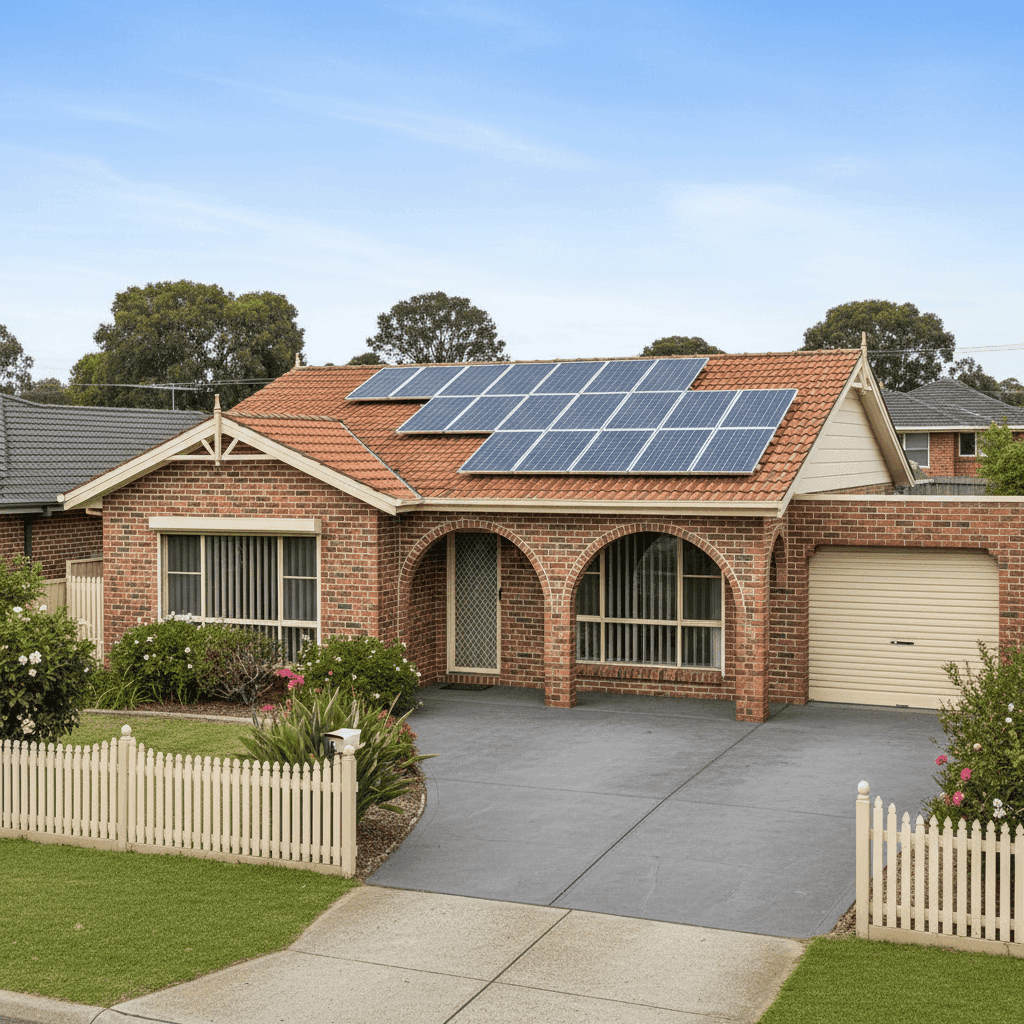
Quakers Hill, nestled in Sydney's north-west, is a well-established suburban community that continues to attract families drawn to its spacious homes and convenient amenities. For owners of a free standing home in this postcode, understanding the true cost of home and contents insurance — and whether you're getting a fair deal — is an important part of protecting your most valuable asset. This article breaks down a real insurance quote for a 3-bedroom, 2-bathroom brick veneer home in Quakers Hill (NSW 2763), and puts it in context against local, state, and national benchmarks.
---
Is This Quote Fair?
The quote in question comes in at $1,429 per year (or roughly $137 per month) for combined home and contents cover, with a building sum insured of $553,000 and contents covered to $110,000. Based on our pricing data, this quote is rated CHEAP — sitting well below the suburb average.
To put that in perspective, the average home and contents insurance premium across Quakers Hill currently sits at around $2,200 per year, with a median of $2,282. That means this quote is approximately 35% below the suburb average — a meaningful saving of more than $770 annually. Even compared to the suburb's 25th percentile (the cheapest quarter of quotes), which sits at $1,740, this premium still comes in lower. That's a strong result by any measure.
It's worth noting that the excess structure here is fairly standard: a $2,000 building excess and a $1,000 contents excess. Higher excesses are one way insurers reduce your upfront premium, so it's always worth weighing the long-term trade-off. That said, these figures are not unusually high and fall within the normal range for policies of this type.
---
How Quakers Hill Compares
Zooming out to a broader picture, the savings look even more impressive. Check out the Quakers Hill suburb insurance stats for a full breakdown of local pricing trends.
| Benchmark | Annual Premium |
|---|---|
| This Quote | $1,429 |
| Suburb Average (Quakers Hill) | $2,200 |
| Suburb Median | $2,282 |
| LGA Average (Blacktown) | $2,135 |
| NSW Average | $3,801 |
| NSW Median | $3,410 |
| National Average | $2,965 |
| National Median | $2,716 |
Compared to the NSW state average of $3,801, this quote represents a saving of over $2,370 per year — that's nearly 63% below the state average. Even against the national average of $2,965, the quote is more than $1,500 cheaper annually.
New South Wales as a whole tends to carry higher premiums than the national median, partly due to elevated storm and flood risk in various parts of the state, as well as the high replacement costs associated with Sydney's property market. Quakers Hill's own suburb average of $2,200 sits comfortably below both the state and national figures, which suggests the area carries a relatively moderate risk profile — and this particular quote sits at the very competitive end of that local market.
---
Property Features That Affect Your Premium
Several characteristics of this property are likely contributing to its competitive premium. Understanding these factors can help homeowners make more informed decisions when reviewing or renewing their cover.
Brick Veneer Construction Brick veneer is widely regarded by insurers as a solid, low-risk building material. It offers good fire resistance and structural durability, which typically translates to lower premiums compared to properties with timber or lightweight cladding exteriors.
Tiled Roof Like brick veneer walls, a tiled roof is viewed favourably by underwriters. Tiles are durable, fire-resistant, and less susceptible to storm damage than some alternative roofing materials — all factors that can positively influence your premium.
Slab Foundation A concrete slab foundation is generally considered stable and low-maintenance. It reduces the risk of subsidence-related claims and is a common foundation type in western Sydney developments from the 1990s.
Construction Year: 1995 At around 30 years old, this home is mature but not aged. Properties built in the mid-1990s in NSW were subject to solid building codes, and a well-maintained home of this era typically presents a manageable risk profile for insurers.
Solar Panels The presence of solar panels is worth flagging. Some insurers include solar panels under building cover automatically, while others may require a separate endorsement or have specific conditions. It's important to confirm with your insurer that your solar system is adequately covered under the building sum insured of $553,000.
Ducted Climate Control Ducted air conditioning systems are a significant fixed asset and are generally included as part of building cover. Their presence can slightly increase the replacement cost of a home, so it's worth ensuring your sum insured accurately reflects this.
No Pool, No Cyclone Risk The absence of a swimming pool removes a common source of liability and maintenance-related claims. And while parts of Queensland and WA attract cyclone loading on premiums, Quakers Hill sits well outside any cyclone risk zone — another factor keeping this quote competitive.
---
Tips for Homeowners in Quakers Hill
1. Review Your Sum Insured Regularly Construction costs have risen sharply across Australia in recent years. A sum insured of $553,000 for a 139 sqm home works out to roughly $3,978 per square metre — a reasonable figure, but one worth validating against current building cost estimates for your area. Being underinsured can leave you significantly out of pocket after a major claim.
2. Confirm Solar Panel Coverage With solar panels installed, speak directly with your insurer to clarify exactly how they're covered. Ask whether storm or impact damage to the panels is included, and whether the inverter (often located inside the home) falls under building or contents cover.
3. Don't Set and Forget Insurance markets shift, and the competitive quote you have today may not be the best available at renewal. Set a reminder to compare your renewal offer against other providers each year — even a few minutes of research can save hundreds of dollars.
4. Consider Your Excess Carefully A $2,000 building excess and $1,000 contents excess help keep this premium low. If you have the financial buffer to absorb a higher out-of-pocket cost in the event of a claim, maintaining these excess levels makes sense. However, if you'd prefer more financial certainty after a loss, you may want to explore lower excess options — just be aware this will likely increase your annual premium.
---
Compare Your Home Insurance with CoverClub
Whether you're reviewing an existing policy or shopping for cover for the first time, getting multiple quotes is the single most effective way to ensure you're not overpaying. At CoverClub, we make it easy to compare home and contents insurance options tailored to your property. Get a quote today and see how your premium stacks up against the Quakers Hill market — you might be surprised at what's available.