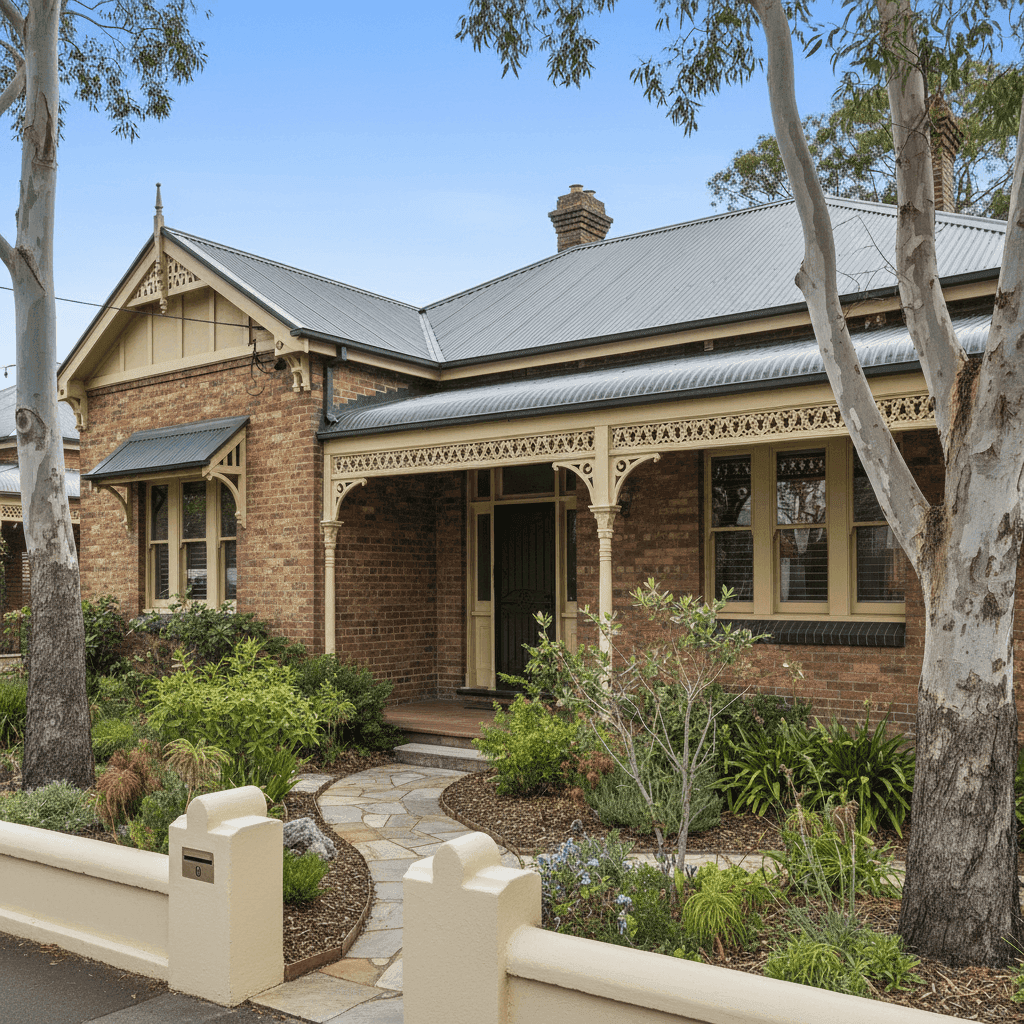
Queens Park is one of Sydney's most charming inner-eastern suburbs — a leafy pocket of postcode 2022 known for its Federation-era streetscapes, tight-knit community feel, and proximity to Centennial Park. It's also a suburb where heritage character homes dominate the landscape, and insuring them properly is anything but straightforward. This article breaks down a real home and contents insurance quote for a four-bedroom, three-bathroom semi detached property in Queens Park, and puts the numbers in context so you can judge whether you're paying a fair price.
---
Is This Quote Fair?
The quote in question comes in at $2,056 per year (or $201 per month) for a combined home and contents policy. The building is insured for $890,000, with contents covered at $20,000. The building excess sits at $2,000, and the contents excess at $1,000.
Our price rating for this quote? Cheap — below average. That's genuinely good news for the homeowner.
To put it plainly: this quote is sitting well below what most comparable properties in Queens Park are paying. The suburb average premium is $3,016 per year, and the median is even higher at $3,053. That means this quote is roughly $960 cheaper per year than the typical Queens Park policy — a saving of around 32%.
Even when compared against the 25th percentile of local quotes (meaning the cheapest quarter of policies in the suburb), this premium of $2,056 still undercuts the $2,393 benchmark. In other words, this is among the most competitively priced policies we've seen for this type of property in the area.
For a suburb where premiums regularly push toward the $3,676 mark at the 75th percentile, landing a quote this low — while maintaining solid coverage — is a meaningful win.
---
How Queens Park Compares
Zooming out beyond the suburb boundary reveals just how varied home insurance pricing can be across New South Wales and nationally. Here's how Queens Park stacks up:
| Benchmark | Average Premium | Median Premium |
|---|---|---|
| Queens Park (2022) | $3,016/yr | $3,053/yr |
| LGA (Waverley) | $2,906/yr | — |
| NSW | $3,801/yr | $3,410/yr |
| National | $2,965/yr | $2,716/yr |
A few things stand out here. First, Queens Park premiums are actually below the NSW state average — which is notably high at $3,801 per year, reflecting the elevated risk and property values across much of New South Wales. Second, the suburb's average sits slightly above the national average of $2,965, which is expected given Sydney's property values and the density of older homes in the area.
The Waverley LGA average of $2,906 per year is a useful local reference point — it's broadly in line with Queens Park's own suburb average, suggesting that pricing across this part of Sydney is fairly consistent at the council level.
You can explore the full data for this postcode at our Queens Park insurance statistics page, or compare it against the NSW state overview and national benchmarks.
> Note: The Queens Park suburb sample includes 8 quotes, so while directionally useful, these figures should be treated as indicative rather than definitive. As more data comes in, the averages will sharpen.
---
Property Features That Affect Your Premium
Every property tells its own story when it comes to insurance risk, and this Queens Park semi detached has a number of features that insurers will weigh carefully.
Heritage Overlay
Perhaps the most significant factor here is the heritage overlay on this property. Built in 1915, this home carries genuine Federation-era character — and with that comes the reality that repairs and reinstatement must often use period-appropriate materials and methods. This can push rebuilding costs higher than a comparable modern home, which is part of why the building sum insured of $890,000 is set at a substantial level for a 268 sqm semi detached.
Brick Veneer Walls and Colorbond Roof
The brick veneer construction is generally viewed favourably by insurers — it's durable, fire-resistant, and widely understood in terms of repair costs. The steel Colorbond roof is also a positive signal: it's low-maintenance, resistant to corrosion, and performs well in storms. Together, these materials help keep the risk profile manageable.
Stump Foundation and Timber Flooring
The stump (pier and beam) foundation is common in homes of this era and can be a double-edged sword. On one hand, it allows for good ventilation beneath the home; on the other, stumps can deteriorate over time and may require periodic inspection or replacement. Insurers may factor this into their assessment of structural risk. The timber and laminate flooring is similarly worth noting — beautiful and period-appropriate, but potentially more costly to repair or replace than tiles or concrete.
Ducted Climate Control
The presence of ducted climate control adds to the replacement value of the home's fixed fittings and may marginally influence the premium, though it's generally a minor factor compared to the structural considerations above.
No Pool, No Solar
The absence of a pool and solar panels simplifies the risk profile somewhat — both can introduce additional liability and electrical risk considerations respectively. Their absence is a quiet positive for this quote.
---
Tips for Homeowners in Queens Park
Whether you're reviewing an existing policy or shopping around for the first time, here are four practical steps worth taking.
1. Review your building sum insured regularly. With a heritage-listed property, construction costs can shift significantly. The $890,000 sum insured should reflect the full cost of rebuilding — not the market value of the land. Consider engaging a quantity surveyor every few years to ensure your coverage keeps pace with rising labour and materials costs.
2. Get multiple quotes before renewing. The spread between the cheapest and most expensive quotes in Queens Park is striking — from around $2,393 at the 25th percentile to $3,676 at the 75th. That's a $1,283 gap for essentially the same suburb and property type. Loyalty doesn't always pay in insurance; shopping around does.
3. Check your heritage overlay obligations. If your home is under a heritage overlay, your local council (Waverley Council) may have specific requirements about how repairs and alterations must be carried out. Make sure your insurer is aware of the listing and that your policy covers the cost of complying with heritage conditions during reinstatement.
4. Don't underinsure your contents. A $20,000 contents value is on the modest side for a four-bedroom, three-bathroom home. Take the time to tally up furniture, appliances, clothing, electronics, and valuables — many homeowners are surprised to find their contents are worth significantly more than their initial estimate. Underinsurance can leave you badly exposed at claim time.
---
Compare Your Own Quote
Whether you own a Federation semi in Queens Park or a modern apartment elsewhere in Sydney, the best way to know if you're paying a fair price is to compare. CoverClub makes it easy to see how your premium stacks up against real data from your suburb, your LGA, and across Australia. Get a quote today and find out if you could be paying less — or whether you need to revisit your coverage levels.