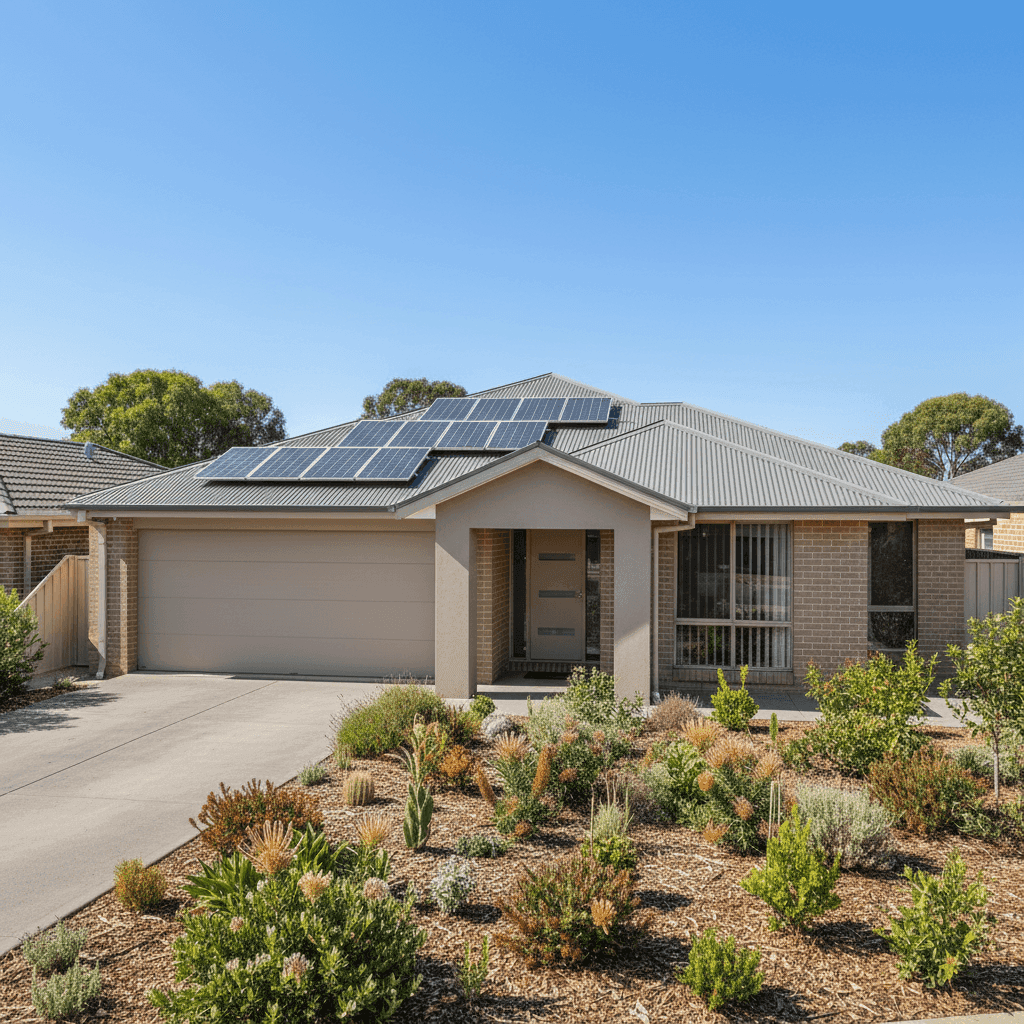
Quinns Rocks is a popular coastal suburb in Perth's northern corridor, known for its relaxed lifestyle, growing families, and well-established streetscapes. For homeowners in this part of Western Australia, making sure your property is adequately insured is an important financial decision — and understanding whether you're getting a fair deal on your premium can be tricky without the right context.
This article breaks down a real home and contents insurance quote for a four-bedroom, two-bathroom free standing home in Quinns Rocks (postcode 6030), compares it against local, state, and national benchmarks, and offers practical tips to help you make the most of your cover.
---
Is This Quote Fair?
The quote in question comes in at $2,374 per year (or $228/month) for combined home and contents insurance, covering a building sum insured of $897,000 and contents valued at $91,000. Both the building and contents excess are set at $1,000.
Based on available market data, this premium is rated Expensive — above average for the Quinns Rocks area.
To put that in perspective: the suburb average sits at $1,695/year, and the median is $1,703/year. This quote is roughly 40% above the suburb average, which is a meaningful gap. It also sits above the suburb's 75th percentile of $2,131/year — meaning it's more expensive than at least three-quarters of comparable quotes in the area.
That said, context matters. The building sum insured of $897,000 is substantial, and the property's features — including solar panels, ducted climate control, and a 214 sqm floor plan — all contribute to a higher replacement cost and therefore a higher premium. Insurers price based on what it would cost to rebuild your home from scratch, not its market value, so a well-appointed double brick home of this size will naturally attract a higher sum insured and, consequently, a higher premium.
Still, the gap between this quote and the suburb median suggests there may be room to shop around and find more competitive pricing for equivalent cover.
---
How Quinns Rocks Compares
Understanding how your suburb stacks up against broader benchmarks is a useful way to gauge whether you're in a high- or low-cost insurance zone.
| Benchmark | Annual Premium |
|---|---|
| This quote | $2,374 |
| Quinns Rocks suburb average | $1,695 |
| Quinns Rocks suburb median | $1,703 |
| Quinns Rocks 25th percentile | $1,024 |
| Quinns Rocks 75th percentile | $2,131 |
| LGA (Wanneroo) average | $1,550 |
| WA state average | $2,811 |
| WA state median | $2,127 |
| National average | $5,347 |
| National median | $2,764 |
A few things stand out here. Quinns Rocks is actually a relatively affordable suburb when it comes to home insurance — the suburb average of $1,695 is well below both the WA state average ($2,811) and the national average ($5,347). This likely reflects the area's low natural disaster risk profile: it sits outside cyclone-prone zones, is not in a high bushfire risk corridor, and doesn't face the flood or storm surge pressures seen in parts of Queensland or northern WA.
The Wanneroo LGA average of $1,550 reinforces this picture — homeowners in this part of Perth generally enjoy more competitive premiums than many other parts of Australia.
Given this favourable risk environment, the $2,374 quote — while above average for the suburb — is still comfortably below WA and national benchmarks. For a property with a high building sum insured and added features like solar panels and ducted air conditioning, this isn't an unreasonable outcome, but it's worth exploring whether a comparable policy can be found at a lower price point.
---
Property Features That Affect Your Premium
Several characteristics of this property have a direct bearing on the premium calculated by insurers.
Double brick construction is generally viewed favourably by insurers. It's a durable, fire-resistant building material that's common in Western Australia and tends to attract lower premiums than timber-framed homes. This is a positive factor working in the homeowner's favour.
Colorbond steel roofing is another well-regarded choice. It's lightweight, durable, and performs well in high-wind conditions. Insurers typically view it as a lower-risk roofing material compared to older tile or terracotta options.
Solar panels add value to the property but also increase the cost of rebuilding. Insurers need to factor in the replacement cost of the panels themselves, which can meaningfully increase the overall sum insured. It's worth confirming with your insurer that your solar system is explicitly covered under your building policy.
Ducted climate control is another feature that adds to the replacement value of the home. Ducted systems are expensive to install and replace, and they should be factored into your building sum insured calculation to avoid being underinsured.
Slab foundation and tiled flooring are both standard, low-risk features that are unlikely to significantly influence the premium in either direction.
No pool removes one common liability and maintenance-related risk factor that can sometimes nudge premiums upward.
At 214 sqm, this is a mid-to-large family home built in 2004 — a period when construction standards were solid. The combination of double brick walls, a Colorbond roof, and a slab foundation makes this a well-built, insurer-friendly property.
---
Tips for Homeowners in Quinns Rocks
1. Review your building sum insured annually Construction costs have risen significantly in recent years. Make sure your building sum insured reflects current rebuild costs — not what you paid for the home or what it's worth on the market. Underinsurance is one of the most common and costly mistakes homeowners make. Many insurers offer a calculator to help, or you can engage a quantity surveyor for a formal estimate.
2. Confirm your solar panels are covered Solar panel systems can be worth $10,000–$30,000 or more. Check whether your policy covers them as part of the building, as a separate item, or not at all. Some policies have specific exclusions or sub-limits for solar systems, so it pays to read the Product Disclosure Statement carefully.
3. Compare quotes before renewing Loyalty doesn't always pay in the insurance world. Insurers often offer better rates to new customers than to existing ones. Before your renewal date, get a fresh quote at CoverClub to see whether you could be paying less for the same level of cover.
4. Consider your excess level Both excesses on this policy are set at $1,000. Opting for a higher excess can reduce your annual premium — but make sure it's an amount you'd be comfortable paying out of pocket in the event of a claim. Conversely, if cash flow is a concern, a lower excess with a slightly higher premium might suit your situation better.
---
Compare Your Home Insurance Today
Whether you're reviewing an existing policy or shopping for cover for the first time, it pays to compare. CoverClub makes it easy to see how your quote stacks up against real data from homeowners in your suburb and across Australia.
Get a home insurance quote at CoverClub and find out if you could be getting better value — without sacrificing the cover your home deserves.