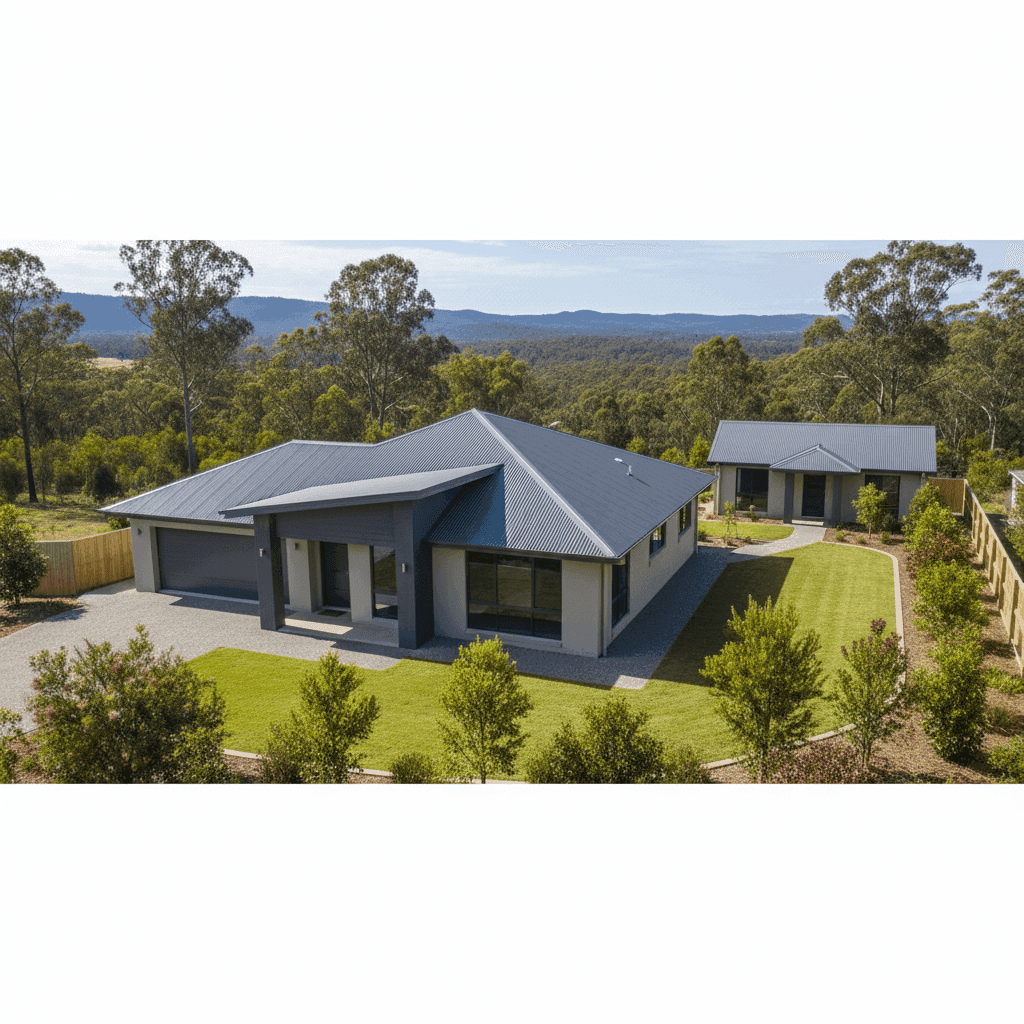
If you own a free standing home in Raleigh, NSW 2454, you've probably wondered whether your home insurance premium is competitive — or whether you're quietly overpaying. This article breaks down a real home and contents insurance quote for a 3-bedroom property in Raleigh, benchmarking it against local, state, and national data to help you make a more informed decision.
---
Is This Quote Fair?
The quote in question comes in at $5,038 per year (or $492/month) for combined home and contents cover, with a building sum insured of $654,000 and contents valued at $200,000. Both the building and contents excesses are set at $1,000.
Based on our pricing data, this quote is rated Expensive — above average for the Raleigh area. The suburb average sits at $4,042 per year, meaning this quote is approximately $996 higher than what most comparable properties in the postcode are paying. It also exceeds the suburb median of $3,939/yr by a notable margin.
That said, context matters. The property includes a granny flat, which adds both insurable value and risk complexity. The building sum insured of $654,000 is also on the higher end, which will naturally push the premium upward. Still, there's a reasonable case to be made for shopping around — particularly when the suburb's 25th percentile sits at just $3,276/yr, suggesting more competitive pricing is available in this market.
---
How Raleigh Compares
Understanding where Raleigh sits relative to broader benchmarks helps put this quote in perspective. Here's a quick snapshot:
| Benchmark | Average Premium | Median Premium |
|---|---|---|
| Raleigh (2454) | $4,042/yr | $3,939/yr |
| Nambucca Valley LGA | $5,223/yr | — |
| NSW | $9,528/yr (avg) | $3,770/yr |
| National | $5,347/yr (avg) | $2,764/yr |
A few things stand out here. The NSW state average of $9,528/yr looks alarming at first glance, but the state median of $3,770/yr tells a very different story — the average is being pulled up significantly by high-risk or high-value properties, particularly in flood- and storm-prone parts of the state. Raleigh's median of $3,939/yr sits just slightly above the NSW median, which suggests the suburb is broadly in line with typical NSW pricing.
Nationally, the median premium of $2,764/yr is considerably lower than what Raleigh homeowners tend to pay, reflecting the elevated risk profile of coastal and semi-rural NSW properties compared to, say, suburban Melbourne or Adelaide. The Nambucca Valley LGA average of $5,223/yr also indicates that insurers view this region as moderately elevated in risk — and this particular quote, at $5,038/yr, falls just below that LGA average.
Explore the full Raleigh suburb insurance stats, NSW state data, or national benchmarks to dig deeper into the numbers.
---
Property Features That Affect Your Premium
Several characteristics of this property will be influencing what insurers charge. Here's how the key features stack up:
Construction year (2020) A relatively new build is generally a positive signal for insurers. Modern homes are constructed to current Australian Standards, with better structural integrity, updated electrical and plumbing systems, and improved resistance to weather events. This should, in theory, work in the homeowner's favour when it comes to pricing.
Steel/Colorbond roof Colorbond roofing is widely regarded as one of the more insurer-friendly roofing materials in Australia. It's durable, fire-resistant, and handles the elements well — particularly relevant in coastal NSW where salt air and heavy rainfall are common. This is unlikely to be adding cost to the premium.
Slab foundation Concrete slab foundations are considered low-risk by most insurers. They're stable, less susceptible to movement, and don't carry the same concerns as older timber stumps or pier-and-beam foundations. Again, a neutral-to-positive factor here.
Timber/Laminate flooring Timber and laminate floors can be a moderate cost consideration for insurers, as they're more expensive to repair or replace than tiles following water damage or flooding. Given Raleigh's proximity to the Bellinger River and the broader Mid North Coast's flood history, this is worth keeping in mind.
Granny flat The presence of a granny flat is likely one of the more significant premium drivers in this quote. A secondary dwelling adds to the overall rebuild cost, increases the complexity of the risk, and may require specific coverage considerations — particularly if it's tenanted. Ensuring your granny flat is correctly declared and adequately covered is essential.
Standard fittings quality Standard fittings (as opposed to high-end or prestige finishes) generally keep rebuild costs more predictable, which can help moderate premiums. This is a straightforward factor that shouldn't be inflating the quote.
---
Tips for Homeowners in Raleigh
1. Review your sum insured carefully At $654,000, the building sum insured needs to reflect the true cost of rebuilding — not the market value of the land. Use a building cost calculator or speak with a quantity surveyor to make sure you're neither underinsured nor paying for more cover than you need.
2. Shop around — especially with a granny flat Not all insurers treat secondary dwellings the same way. Some will cover a granny flat under the main policy; others require a separate endorsement or policy. Getting multiple quotes through a comparison service like CoverClub ensures you're comparing apples with apples and finding the most competitive rate for your specific setup.
3. Consider your excess level Both excesses are set at $1,000 in this quote. Opting for a higher excess — say $1,500 or $2,000 — can meaningfully reduce your annual premium. If you have a solid emergency fund and are unlikely to make small claims, this is often a smart trade-off.
4. Check for flood and storm cover Raleigh sits within the Nambucca Valley and is not far from the Bellinger River system. Flooding is a real consideration in this region. Make sure your policy explicitly includes flood cover (not just storm or rainwater damage), and check the PDS carefully for any exclusions related to riverine flooding.
---
Ready to Find a Better Rate?
Whether this quote is the right one for you depends on your circumstances — but paying above the suburb average is always worth questioning. At CoverClub, you can compare home and contents insurance quotes from multiple insurers in minutes, tailored to your property in Raleigh. Get a quote today and see if you can do better.