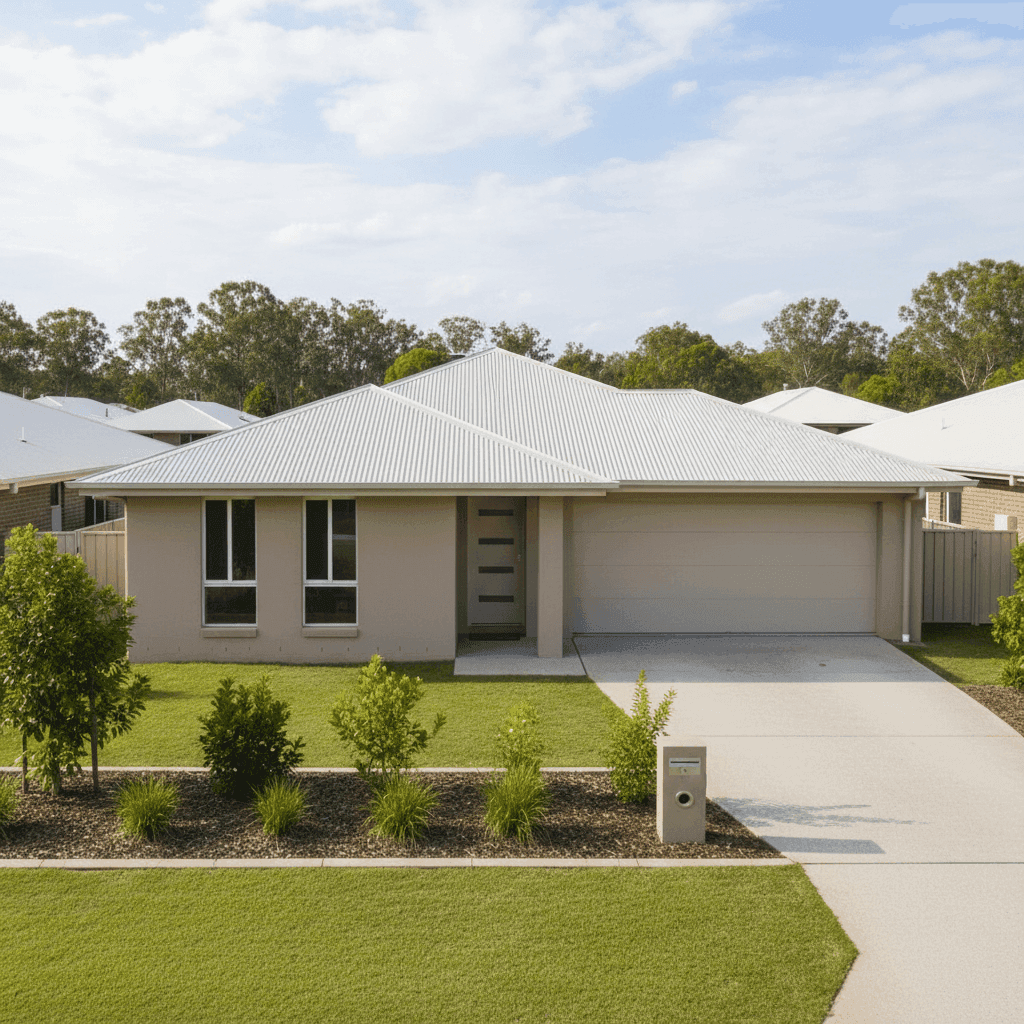
If you own a free standing home in Rasmussen, QLD 4815, you already know that insurance isn't optional — it's essential. Sitting in the outer suburbs of Townsville, Rasmussen is a well-established residential area that, like much of North Queensland, comes with its own set of natural hazard considerations. This article breaks down a real building insurance quote for a 3-bedroom, 2-bathroom home in the suburb, compares it against local, state and national benchmarks, and offers practical advice for getting the best value on your cover.
---
Is This Quote Fair?
The quote in question comes in at $2,527 per year (or $242/month) for building-only cover with a sum insured of $500,000 and a building excess of $3,000. Our price rating for this quote is CHEAP — meaning it sits below the average for comparable properties in the area.
To put that in perspective:
- The suburb average for Rasmussen is $3,162/yr, and the median sits at $3,009/yr
- This quote is $635 below the suburb average — a meaningful saving of around 20%
- It also falls below the suburb's 25th percentile of $2,651/yr, placing it among the most competitive quotes available in the area
For homeowners, a below-average premium on a $500,000 sum insured is a genuinely strong result — particularly given the elevated risk profile that comes with living in a cyclone-designated zone.
---
How Rasmussen Compares
Understanding where your suburb sits in the broader insurance landscape helps you assess whether your premium is reasonable — or whether it's time to shop around.
| Benchmark | Annual Premium |
|---|---|
| This quote | $2,527 |
| Rasmussen suburb average | $3,162 |
| Rasmussen suburb median | $3,009 |
| QLD state average | $4,547 |
| QLD state median | $3,931 |
| National average | $2,965 |
| National median | $2,716 |
| Townsville LGA average | $7,258 |
A few things stand out here. First, the QLD state average of $4,547 is dramatically higher than this quote — nearly double, in fact. This reflects the outsized impact of cyclone and flood risk across much of Queensland, where premiums in coastal and far-north regions can be eye-watering.
Second, the Townsville LGA average of $7,258 is a stark reminder of just how expensive insurance can get in this region. Townsville has faced significant flood and storm events in recent years, and insurers have responded by repricing risk upward across the board. Against that backdrop, a quote of $2,527 looks exceptionally competitive.
Finally, this quote also sits below the national average of $2,965 — which is notable, given that Rasmussen is in a cyclone risk area where you'd typically expect premiums to be well above the national norm. It suggests the specific property characteristics are working in the homeowner's favour.
---
Property Features That Affect Your Premium
Several attributes of this property likely contribute to its favourable premium outcome.
Concrete external walls are one of the most significant factors. Concrete construction is highly regarded by insurers in cyclone-prone regions because it offers superior resistance to high wind loads and wind-driven debris. Compared to timber-framed or brick-veneer homes, a concrete-walled home in North Queensland can attract meaningfully lower premiums.
Steel/Colorbond roofing is another positive. Colorbond is a popular choice in Queensland for good reason — it's lightweight, corrosion-resistant, and when properly installed and secured, performs well in high-wind events. Insurers generally view it favourably compared to older roofing materials like terracotta tiles, which can dislodge or crack under cyclonic conditions.
Slab foundation and tile flooring also contribute to the property's resilience profile. Slab construction reduces the risk of underfloor moisture and structural movement, while tiles are durable and easy to remediate after a water ingress event.
The 2015 construction year is another asset. Homes built after 2011 in Queensland were constructed under updated building codes that incorporated stricter cyclone-resistant design standards — a direct response to the devastation caused by Cyclone Yasi. Insurers recognise this and often price newer builds more competitively.
The absence of a pool, solar panels and ducted climate control also simplifies the risk profile. Each of those features can add to both the replacement cost and the likelihood of a claim, so their absence keeps things straightforward.
---
Tips for Homeowners in Rasmussen
1. Review your sum insured annually Building costs in Queensland have risen sharply in recent years due to supply chain pressures and labour shortages. A sum insured of $500,000 may be appropriate now, but it's worth checking against a current building cost estimator each year to ensure you're not underinsured — especially as material costs continue to fluctuate.
2. Understand your cyclone excess Many insurers apply a separate, higher excess specifically for cyclone-related claims. This is distinct from the standard building excess and can be several thousand dollars. Make sure you know what your policy says — and factor it into your emergency savings planning.
3. Document your property thoroughly Take photos or video of your home's exterior, roof, and any outbuildings at least once a year. If you ever need to make a claim after a storm or cyclone, having a clear pre-event record can significantly speed up the assessment process and reduce disputes over pre-existing damage.
4. Compare quotes before your renewal date The insurance market in North Queensland is competitive, and premiums can vary significantly between providers for the same property. Don't auto-renew without checking — use a comparison tool like CoverClub to see what else is available before your policy lapses.
---
Find a Better Deal with CoverClub
Whether you're renewing your existing policy or buying cover for the first time, it pays to compare. CoverClub makes it easy to see how your premium stacks up against others in your suburb and across Queensland — so you're never paying more than you need to. Get a quote today and find out if you could be saving on your home insurance.