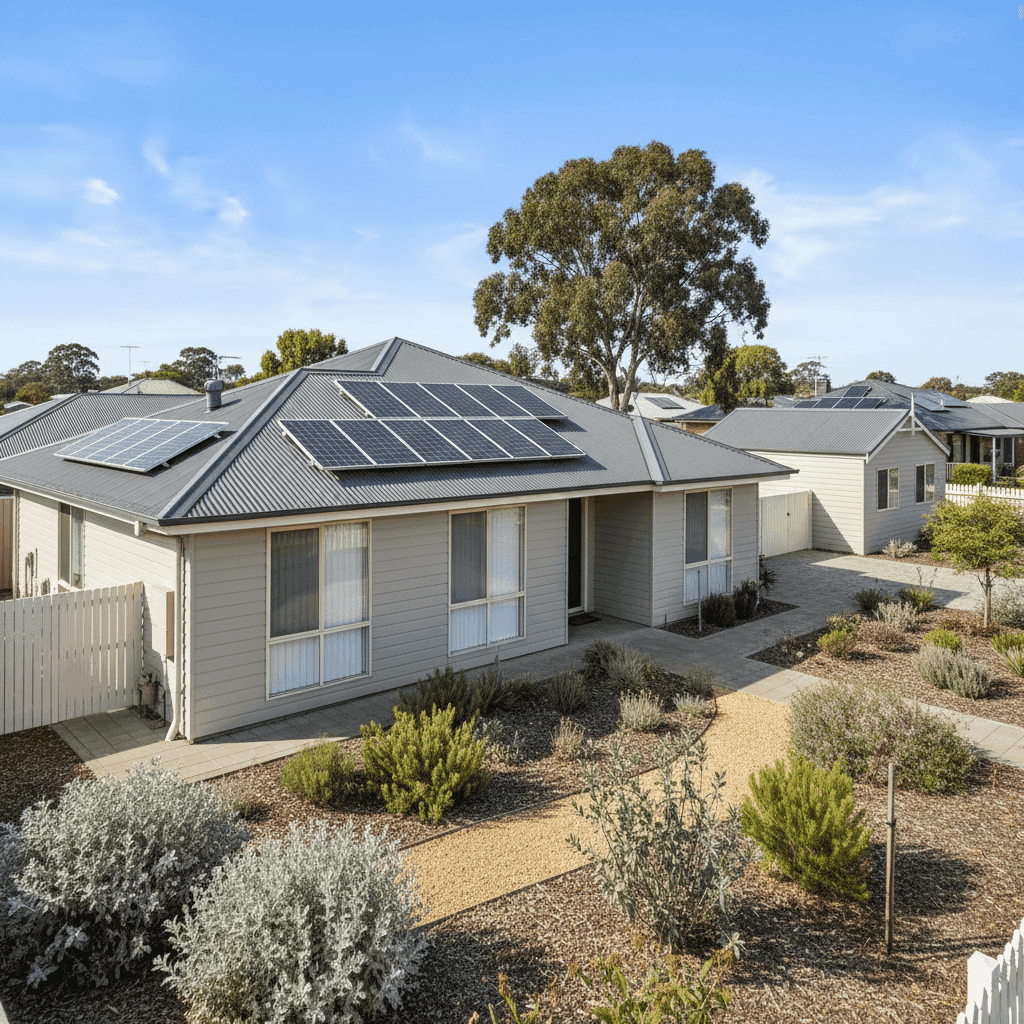
If you own a free standing home in Red Cliffs, VIC 3496, understanding what you should be paying for home insurance is one of the smartest financial moves you can make. Red Cliffs is a quiet residential town in the Mildura LGA, sitting in Victoria's sun-drenched northwest. With a mix of established homes and newer builds, it's a community where property values — and insurance costs — can vary quite a bit depending on your specific property's features.
This article breaks down a real home and contents insurance quote for a 2-bedroom, 2-bathroom free standing home in Red Cliffs, comparing it against suburb, state, and national benchmarks so you can see exactly where it sits in the market.
---
Is This Quote Fair?
The annual premium for this property comes in at $1,253 per year (or about $123/month), covering both building (sum insured: $417,000) and contents ($50,000). Our price rating for this quote is CHEAP — Below Average, which is genuinely good news for the homeowner.
To put that in perspective:
- The suburb average for Red Cliffs is $2,374/yr — meaning this quote is roughly 47% below what most locals are paying.
- Even at the 25th percentile (the cheapest quarter of quotes in the area), the figure sits at $1,657/yr — still $404 more than this premium.
- The suburb median is $1,948/yr, and the top end of the market (75th percentile) reaches $3,093/yr.
In short, this is a genuinely competitive quote. A homeowner accepting this premium would be securing cover well below what the majority of Red Cliffs residents are paying, even among those who've already shopped around for a better deal.
It's worth noting the building excess is $3,000 and the contents excess is $1,000. The higher building excess is likely one of the factors keeping the premium low — insurers typically reward policyholders who agree to absorb more of the initial cost of a claim. If you're unlikely to make small claims, this is often a worthwhile trade-off.
---
How Red Cliffs Compares
Zooming out to a broader view, this quote looks even more attractive when measured against Victoria-wide and national benchmarks.
| Benchmark | Average Premium | Median Premium |
|---|---|---|
| Red Cliffs (suburb) | $2,374/yr | $1,948/yr |
| Mildura LGA | $2,605/yr | — |
| Victoria (state) | $2,921/yr | $2,694/yr |
| Australia (national) | $2,965/yr | $2,716/yr |
| This quote | $1,253/yr | — |
Red Cliffs itself sits meaningfully below both the Victorian and national averages, suggesting the suburb benefits from relatively lower risk factors — no cyclone exposure, lower flood risk compared to coastal areas, and a stable regional property market. However, the Mildura LGA average of $2,605/yr is still more than double what this particular quote is offering, which reinforces just how well-priced this policy is.
You can explore local suburb insurance statistics for Red Cliffs to see how the full range of quotes in the area looks, and how your own premium compares over time.
---
Property Features That Affect Your Premium
Every property tells its own story when it comes to insurance risk. Here's how the key features of this Red Cliffs home likely influence the premium:
Vinyl Cladding Walls Vinyl cladding is a cost-effective and low-maintenance external wall material, but it can be more susceptible to impact damage and fire than brick veneer or rendered masonry. Some insurers may factor this in, though it also tends to be cheaper to repair or replace than more premium materials, which can balance out.
Steel/Colorbond Roof Colorbond roofing is highly regarded by insurers in regional Australia. It's durable, fire-resistant, and performs well in high-heat environments — all relevant considerations in the Sunraysia region. This is likely a positive factor in keeping the premium competitive.
Slab Foundation A concrete slab foundation is considered low-risk by most insurers. There's no underfloor cavity to worry about, reduced risk of subsidence in stable soil conditions, and generally lower repair costs compared to suspended timber floors.
Vinyl Flooring Vinyl flooring is practical and affordable to replace. Unlike hardwood or engineered timber, it doesn't carry a high reinstatement cost, which can modestly reduce the contents or building valuation.
Solar Panels The property has solar panels installed. While solar adds value to a home, it does introduce some additional risk — panel damage from hail, storms, or fire is a real consideration. Homeowners should confirm their policy explicitly covers solar panels as part of the building sum insured, as coverage can vary between insurers.
Granny Flat The presence of a granny flat is a notable feature. This additional structure needs to be factored into the building sum insured to ensure it's adequately covered. At $417,000, it's worth verifying that this figure accounts for the full replacement cost of both the main dwelling and the secondary structure.
Construction Year: 1998 At around 27 years old, this home is neither brand new nor particularly aged. Properties from the late 1990s are generally well-regarded by insurers — they meet modern building standards of the era without the unknowns that can come with very old homes.
---
Tips for Homeowners in Red Cliffs
1. Review your building sum insured regularly With a granny flat on the property, it's essential to ensure your $417,000 sum insured reflects the true cost of rebuilding both structures from scratch — not just the main home. Construction costs have risen significantly in recent years, and underinsurance is one of the most common and costly mistakes homeowners make.
2. Confirm solar panel coverage Ask your insurer directly whether your solar panel system is covered under the building policy, and up to what value. Some policies include panels automatically; others treat them as optional extras or have sub-limits. Given the cost of a quality solar system, this is worth clarifying before you need to make a claim.
3. Consider whether your excess suits your situation The $3,000 building excess on this policy is on the higher side. While it helps keep the annual premium down, it means you'd be out of pocket for the first $3,000 of any building claim. If you're comfortable holding that amount in reserve, it's a smart trade-off — but if a $3,000 outlay would be a financial strain, it may be worth comparing policies with a lower excess, even if the annual premium is slightly higher.
4. Shop around at renewal time Even with a below-average premium like this one, insurance markets shift. Insurers reprice risk regularly, and the cheapest option today may not be the best value next year. Set a reminder to compare quotes at least 30 days before your renewal date to ensure you're still getting a competitive deal.
---
Compare Your Own Quote
Whether you're renewing an existing policy or shopping for the first time, it pays to see what the market is offering. CoverClub makes it easy to compare home and contents insurance quotes tailored to your property in Red Cliffs and across Australia.
Get a quote today at CoverClub and find out if your current premium is as competitive as it could be.