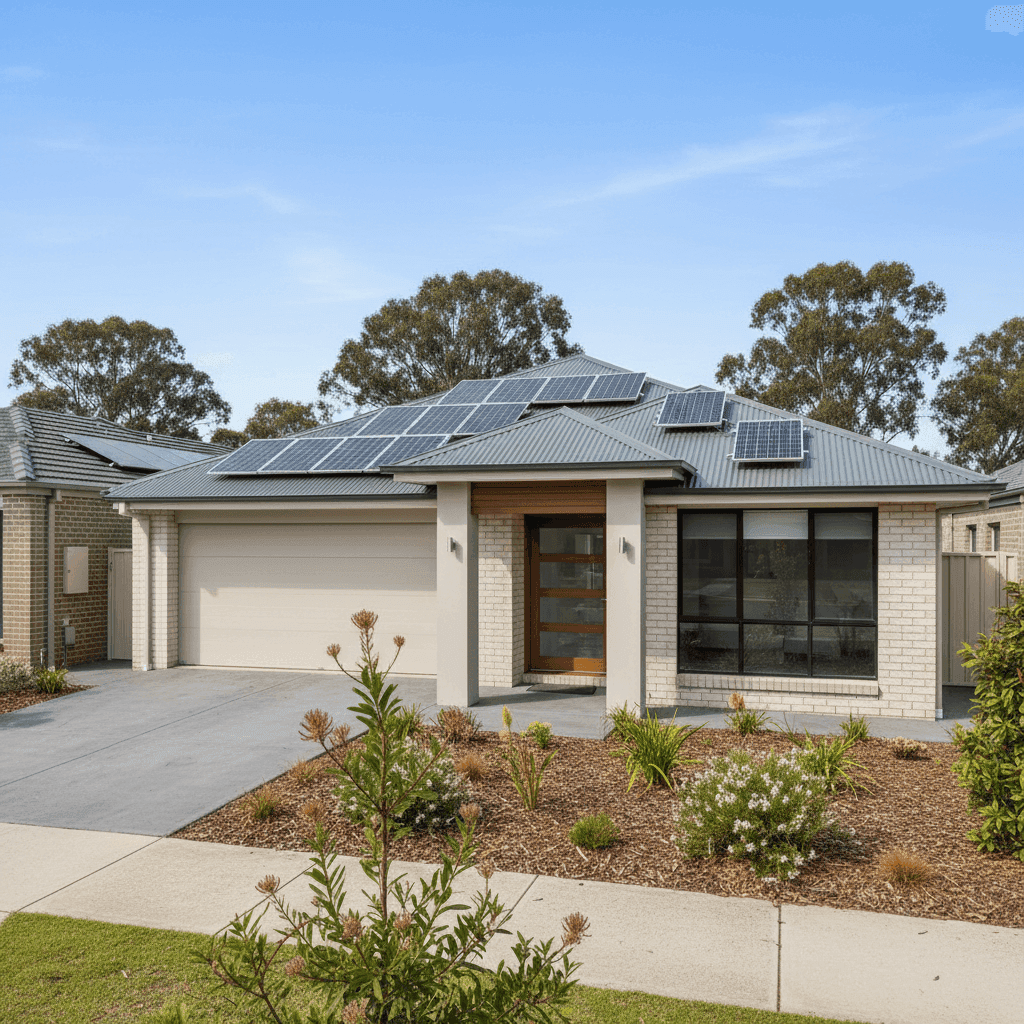
Redland Bay is one of South East Queensland's most appealing coastal suburbs — a relaxed bayside community on the Redland Peninsula with easy access to the Southern Moreton Bay Islands. It's also a suburb where home insurance premiums can vary significantly, making it well worth understanding exactly what you're paying and why. This article breaks down a recent home and contents insurance quote for a four-bedroom free standing home in Redland Bay (QLD 4165), rated Fair (Around Average), and puts it in context against local, state, and national benchmarks.
---
Is This Quote Fair?
The quote in question comes in at $1,476 per year (or $144/month) for combined home and contents cover, with a building sum insured of $650,000 and contents valued at $100,000. The building excess is $3,000 and the contents excess is $1,000.
Our price rating for this quote is Fair — Around Average, and the data backs that up. Within the Redland Bay suburb, the average annual premium sits at $2,324 and the median is even higher at $2,662. That means this quote comes in noticeably below both the average and median for the area — a positive sign for the homeowner.
However, "fair" doesn't necessarily mean "the best available." The suburb's 25th percentile premium is $1,282 per year, which tells us that roughly one in four quotes in Redland Bay come in cheaper than this one. There's a reasonable spread of pricing across the market — the 75th percentile reaches $3,267/yr — so while this quote is competitive, there may still be room to do better with the right insurer.
The excess structure is worth noting too. A $3,000 building excess is on the higher side and will reduce the annual premium, but it also means you'd need to cover the first $3,000 of any building claim yourself. Whether that trade-off suits your situation depends on your financial buffer and risk appetite.
---
How Redland Bay Compares
To put this quote in broader perspective, here's how Redland Bay stacks up against Queensland state averages and national figures:
| Benchmark | Average Premium | Median Premium |
|---|---|---|
| Redland Bay (4165) | $2,324/yr | $2,662/yr |
| Redland LGA | $3,289/yr | — |
| Queensland | $4,547/yr | $3,931/yr |
| National | $2,965/yr | $2,716/yr |
A few things stand out here. Queensland's average premium of $4,547 is dramatically higher than the national average of $2,965 — a reflection of the elevated natural hazard risk across much of the state, including cyclones, flooding, and storm surge. Redland Bay's local average of $2,324, while still meaningful, is considerably lower than the broader QLD and even Redland LGA averages, suggesting that this particular suburb carries a more moderate risk profile than many parts of the state.
The quote at $1,476 sits below all of these benchmarks, which is encouraging. It's well below the Queensland average and also under the national average — not a given for a Queensland property.
---
Property Features That Affect Your Premium
Several characteristics of this property work in favour of a more competitive premium:
Construction year (2016): A relatively modern build means the home was constructed to contemporary Australian building codes, which typically include improved structural standards for wind and weather resistance. Insurers generally view newer homes more favourably than older stock.
Brick veneer walls: Brick veneer is considered a robust external wall material that offers solid fire resistance and durability. It tends to attract more competitive premiums compared to timber or lightweight cladding.
Steel/Colorbond roof: Colorbond roofing is widely used across Queensland and is well-regarded for its durability, resistance to corrosion, and performance in high-wind events. It's a practical choice for the coastal Queensland climate.
Concrete slab foundation: Slab foundations are generally stable, low-maintenance, and less susceptible to moisture-related issues than raised timber foundations — another factor that can positively influence underwriting assessments.
Solar panels: While solar panels add value to the property, they can also add a small amount of complexity to a home insurance policy. It's important to confirm with your insurer that your solar system is explicitly covered under the building sum insured, as some policies treat it differently.
Ducted climate control: Ducted air conditioning systems are a significant fixed asset and are typically covered under building insurance. Ensuring your building sum insured is sufficient to account for this system (and the cost of replacement) is important when setting your cover level.
No pool, no cyclone risk zone: The absence of a pool removes a common liability consideration, and the property falling outside a designated cyclone risk area is a meaningful factor in keeping premiums lower than many other parts of Queensland.
---
Tips for Homeowners in Redland Bay
1. Review your building sum insured regularly At $650,000, the building sum insured needs to reflect the full cost of rebuilding your home from scratch — not its market value. With construction costs rising across South East Queensland, it's worth getting a current rebuild cost estimate to make sure you're not underinsured. Tools like the Cordell Sum Sure calculator can help.
2. Consider your excess carefully The $3,000 building excess on this policy is relatively high. While it reduces the annual premium, it means smaller claims may not be worth making. If you'd prefer more accessible cover for mid-range events, shopping around for a policy with a lower excess (and comparing the premium difference) is a smart exercise.
3. Confirm solar panel coverage With solar panels on the roof, check your policy wording explicitly for how the system is covered — including panels, inverter, and associated wiring. Some insurers include it automatically under building cover; others require it to be specified. Don't assume.
4. Compare quotes annually The home insurance market in Queensland is competitive, and premiums can shift year to year based on insurer appetite, reinsurance costs, and claims history. Even if you're happy with your current policy, running a comparison at renewal time is a straightforward way to make sure you're still getting good value.
---
Compare Your Home Insurance with CoverClub
Whether you're renewing an existing policy or insuring a new home, it pays to see what the market has to offer. CoverClub makes it easy to compare home and contents insurance quotes for properties across Redland Bay and the rest of Australia — so you can make an informed decision with real data behind you. Enter your address and get started today.