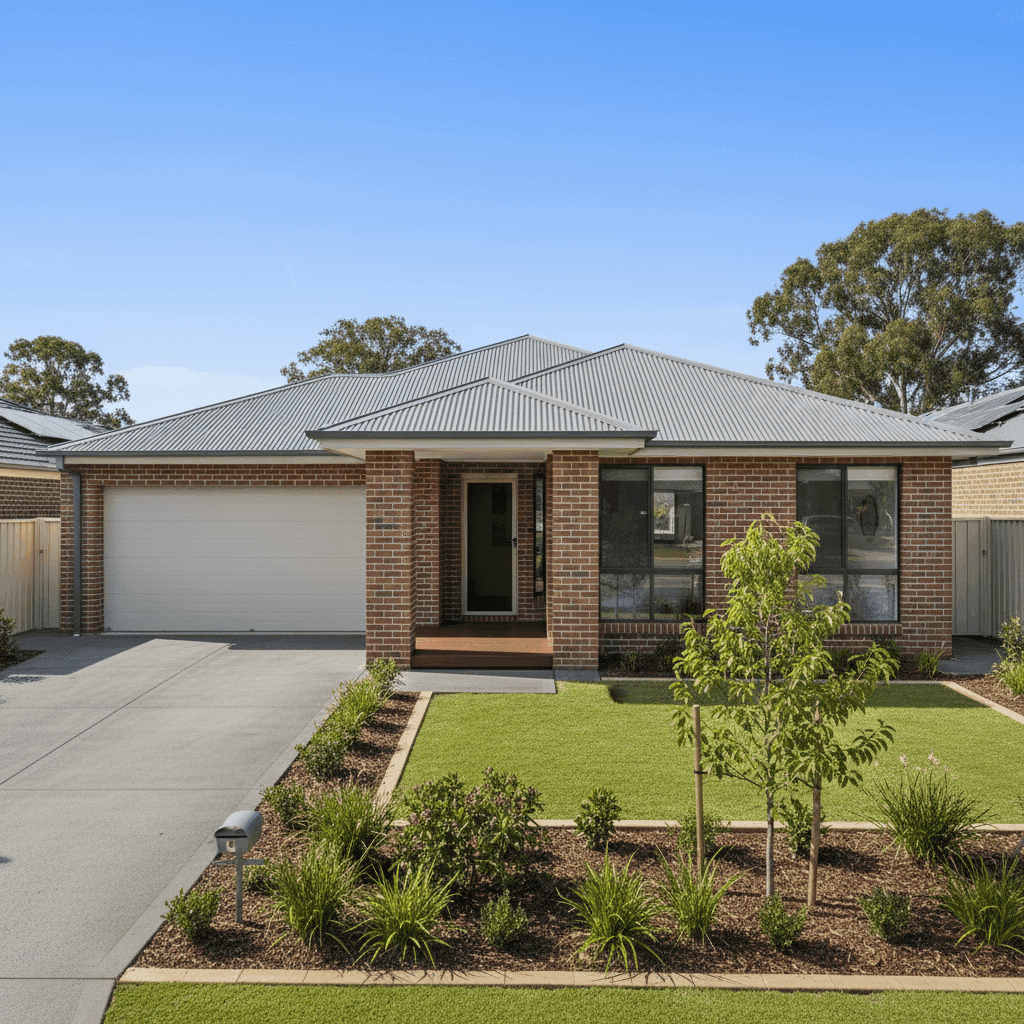
Redridge is a quiet residential locality in Queensland's Fraser Coast region, and like many areas across the Sunshine State, getting the right home insurance at a fair price matters enormously. This article breaks down a real home and contents insurance quote for a four-bedroom, free-standing brick veneer home in Redridge (QLD 4660), comparing it against local, state, and national benchmarks — so you know exactly where you stand.
---
Is This Quote Fair?
The short answer: yes — and then some.
This particular quote came in at $1,974 per year (or roughly $195 per month), covering both building and contents for a four-bedroom home with a building sum insured of $758,000 and contents valued at $50,000. Both the building and contents excess are set at $1,000 each, which is a standard and manageable figure for most households.
Our price rating for this quote is CHEAP — Below Average — meaning it sits well under what most Queensland homeowners are paying for comparable cover. Given the breadth of coverage included (home and contents combined), this is a genuinely competitive result.
To put it in perspective: the Queensland state average for home insurance sits at $4,547 per year, with a median of $3,931. This quote is less than half the state average — a remarkable outcome for a property of this size and value.
---
How Redridge Compares
When we look at the numbers side by side, the picture becomes even clearer:
| Benchmark | Annual Premium |
|---|---|
| This Quote | $1,974 |
| Fraser Coast LGA Average | $3,385 |
| QLD State Average | $4,547 |
| QLD State Median | $3,931 |
| National Average | $2,965 |
| National Median | $2,716 |
This quote beats every single benchmark — including the national average of $2,965 and the Fraser Coast LGA average of $3,385. Even against the national median of $2,716, this quote comes in noticeably lower.
It's worth noting that no suburb-level data was available for Redridge specifically, which isn't unusual for smaller localities. The Fraser Coast LGA average provides the most relevant local comparison, and even against that figure, this quote represents a saving of over $1,400 per year.
You can explore more local data for this postcode at the Redridge suburb stats page.
---
Property Features That Affect Your Premium
Several characteristics of this property work in favour of a lower premium. Understanding these factors can help you make smarter decisions when reviewing your own cover.
Brick Veneer Construction
Brick veneer external walls are generally viewed favourably by insurers. They offer solid fire resistance and structural durability, which reduces the likelihood of catastrophic loss. Compared to timber-framed or weatherboard homes, brick veneer properties often attract lower premiums.
Steel / Colorbond Roof
A Colorbond steel roof is one of the most insurer-friendly roofing materials available in Australia. It's highly resistant to fire, performs well in high-wind events, and has a long service life. This is a significant premium-reducing factor compared to older tile or terracotta roofs, which can be more susceptible to storm and hail damage.
Concrete Slab Foundation
Slab foundations are structurally sound and less prone to movement or subsidence than other foundation types, particularly in Queensland's varied soil conditions. This stability is generally reflected in lower risk assessments by insurers.
Built in 2009
A 2009 construction date means this home was built to relatively modern building codes, incorporating contemporary safety and structural standards. Newer homes typically carry lower risk profiles than older properties that may have ageing wiring, plumbing, or roofing.
No Cyclone Risk Area
Redridge falls outside of a designated cyclone risk zone — a significant factor in Queensland, where cyclone-prone coastal and northern areas can attract dramatically higher premiums. This classification alone can make a substantial difference to what homeowners pay.
Ducted Climate Control
While ducted climate control systems add to the replacement value of a home, they are a standard inclusion in modern Queensland homes and don't typically push premiums up significantly. It's worth ensuring your sum insured accounts for the cost of replacing this system if it were damaged.
Tiles and Standard Fittings
Tiled flooring and standard-quality fittings mean the home is well-appointed without veering into the high-value finishes that can increase rebuild costs. This keeps the sum insured at a realistic and manageable level.
---
Tips for Homeowners in Redridge
Whether you're reviewing your existing policy or shopping for a new one, here are four practical steps worth taking:
1. Review Your Sum Insured Annually
Building costs in Queensland have risen sharply in recent years due to labour shortages and material price increases. A sum insured of $758,000 for a 214 sqm home works out to roughly $3,542 per square metre — a reasonable figure for 2025/26, but one worth revisiting each year. Underinsurance is one of the most common and costly mistakes Australian homeowners make.
2. Don't Overlook Contents Cover
At $50,000, the contents value in this quote is on the modest side for a four-bedroom home. It's worth doing a room-by-room audit of your belongings — furniture, appliances, clothing, electronics, and white goods can add up quickly. Many households find their contents are worth significantly more than they initially estimated.
3. Compare Before You Renew
Insurers often reserve their best rates for new customers, meaning loyal policyholders can end up paying more over time. Using a comparison platform like CoverClub before your renewal date is one of the simplest ways to ensure you're not paying over the odds.
4. Consider Your Excess Carefully
This policy carries a $1,000 excess on both building and contents. Opting for a higher excess can reduce your annual premium, but make sure you could comfortably cover that amount out of pocket in the event of a claim. For most households, $1,000 is a sensible balance between premium savings and financial exposure.
---
Get a Quote for Your Home
If you own a home in Redridge or anywhere across Queensland, it pays to know what you should be paying. The quote analysed here is a strong example of what's achievable — but every property is different, and your premium will depend on your specific circumstances.
Compare home and contents insurance quotes at CoverClub to see how your current policy stacks up. It takes just a few minutes and could save you hundreds — or even thousands — each year.