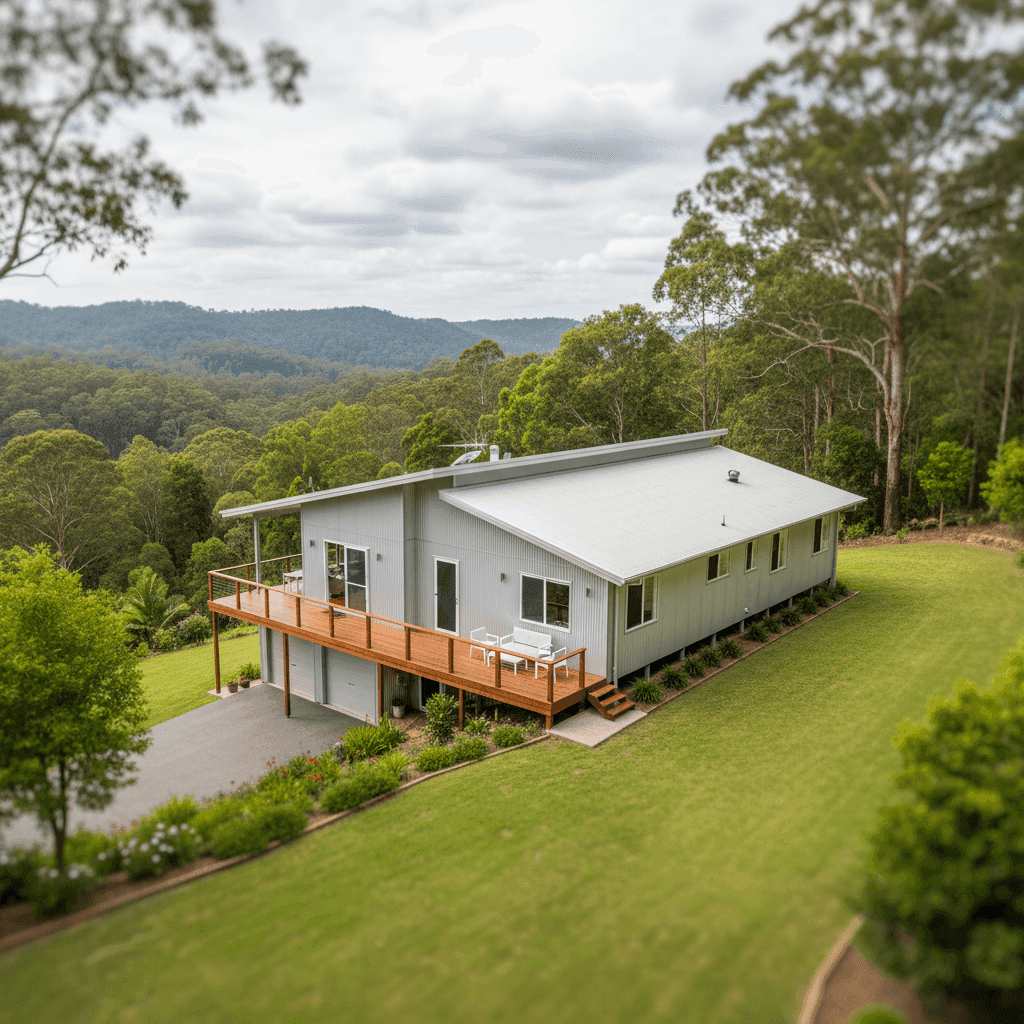
Repton is a quiet township in the Nambucca Valley region of New South Wales, surrounded by lush hinterland and sitting within postcode 2454. It's the kind of place where large family homes on generous blocks are common — and where understanding the true cost of home insurance matters. This article breaks down a recent building insurance quote for a seven-bedroom free standing home in Repton, compares it against local and national benchmarks, and offers practical guidance for homeowners looking to get better value on their cover.
---
Is This Quote Fair?
The annual premium for this property came in at $8,192 per year (or $785/month), covering building only with a $1,000 excess and a sum insured of $1,155,000. Our pricing analysis rates this quote as Expensive — Above Average.
To put that in perspective: the average home insurance premium across Repton (postcode 2454) sits at $4,882 per year, with a median of $4,848. This quote is approximately 68% above the suburb average — a significant gap that warrants a closer look.
That said, context is everything. This is a large, seven-bedroom home with a building size of 406 sqm and a high sum insured of over $1.1 million. Larger homes with higher replacement values naturally attract higher premiums, so some elevation above the suburb average is expected. The suburb sample in our dataset includes 22 quotes, which provides a reasonable (if not exhaustive) basis for comparison.
The 75th percentile for Repton premiums is $6,348/yr — meaning this quote still sits above the top quarter of local prices. Even accounting for the property's size and value, there's a reasonable case to shop around.
---
How Repton Compares
Understanding where Repton sits relative to broader benchmarks gives important context for any insurance decision.
| Benchmark | Average Premium | Median Premium |
|---|---|---|
| Repton (2454) | $4,882/yr | $4,848/yr |
| Nambucca Valley LGA | $5,223/yr | — |
| NSW State | $9,528/yr | $3,770/yr |
| National | $5,347/yr | $2,764/yr |
A few things stand out here. The NSW state average of $9,528/yr is notably high — but the median of just $3,770/yr tells a very different story. That wide gap between average and median is a classic sign of a skewed distribution, driven by a relatively small number of very expensive quotes (often in high-risk flood, bushfire, or coastal zones) pulling the average upward. For most NSW homeowners, the median is a more realistic benchmark.
Repton's suburb average of $4,882 is comfortably below both the NSW and national averages, suggesting it's a relatively affordable area to insure — at least for typical properties. The LGA average for Nambucca Valley ($5,223/yr) is slightly higher than the suburb figure, hinting that some surrounding areas carry greater risk or higher property values.
You can explore more detailed pricing data for this postcode on the Repton suburb stats page, or compare it against all NSW postcodes and national benchmarks.
---
Property Features That Affect Your Premium
Several characteristics of this particular home are likely influencing its premium — both upward and downward.
Large Floor Area & High Sum Insured
At 406 sqm across seven bedrooms and three bathrooms, this is a substantial dwelling. The sum insured of $1,155,000 reflects the genuine cost to rebuild a home of this size, and insurers price premiums proportionally to that replacement value. A higher sum insured means more exposure for the insurer — and a higher premium for you.
Aluminium Cladding & Colorbond Roof
Aluminium external walls and a steel/Colorbond roof are generally viewed favourably by insurers. Both materials are durable, low-maintenance, and resistant to rot and termites. Colorbond in particular is a popular roofing choice in regional NSW for its resilience in variable weather conditions. These features are unlikely to be pushing the premium up.
Stump Foundation & Timber Flooring
The home is elevated on stumps — raised by less than one metre — with timber and laminate flooring. Stump foundations are common in regional and coastal NSW, particularly in older-style and Queenslander-influenced homes. While the elevation here is modest, raised homes can sometimes attract slightly different risk assessments depending on the insurer, particularly around underfloor ventilation and access. Timber flooring, while beautiful, can be more costly to replace than tiles or concrete, which may factor into the sum insured calculation.
Construction Year: 2010
A 2010 build is relatively modern and benefits from contemporary building codes, which generally means better structural integrity, improved fire resistance, and up-to-date electrical and plumbing systems. This should work in the homeowner's favour when it comes to risk assessment.
No Pool, Solar, or Cyclone Risk
The absence of a pool, solar panels, and cyclone-zone classification all simplify the risk profile of this property. Repton is not classified as a cyclone risk area, which is a meaningful factor — cyclone-rated premiums in northern NSW and Queensland can be significantly higher.
---
Tips for Homeowners in Repton
If you're a homeowner in Repton — or anywhere in the Nambucca Valley — here are some practical steps to help manage your insurance costs without compromising on cover.
1. Compare multiple quotes before renewing The most effective way to avoid overpaying is to shop around. Insurers use different pricing models, and the variation between quotes for the same property can be substantial. A quote that's 68% above the suburb average is a clear signal to compare alternatives. Get a fresh quote at CoverClub to see what other insurers are offering.
2. Review your sum insured carefully Underinsurance is a real risk — but so is overinsurance. Use a building cost calculator or speak with a quantity surveyor to ensure your sum insured reflects the actual rebuild cost of your home, not its market value. A sum insured that's too high will inflate your premium unnecessarily.
3. Consider a higher excess Opting for a higher excess (say, $2,500 or $5,000 instead of $1,000) can meaningfully reduce your annual premium. This strategy works well if you have the financial buffer to cover a larger out-of-pocket cost in the event of a claim and you're unlikely to make small claims.
4. Ask about discounts for building quality Some insurers offer discounts for properties with modern construction, durable roofing materials, or security features. Given this home's Colorbond roof, aluminium cladding, and 2010 build year, it's worth asking insurers explicitly whether these features are reflected in your quote.
---
Ready to Compare?
Whether you're reviewing an existing policy or shopping for the first time, comparing quotes is the single most powerful thing you can do to reduce your home insurance costs. CoverClub makes it easy to see how your premium stacks up against real data from your suburb, your state, and across Australia.
Start comparing home insurance quotes at CoverClub — it takes just a few minutes and could save you hundreds of dollars a year.