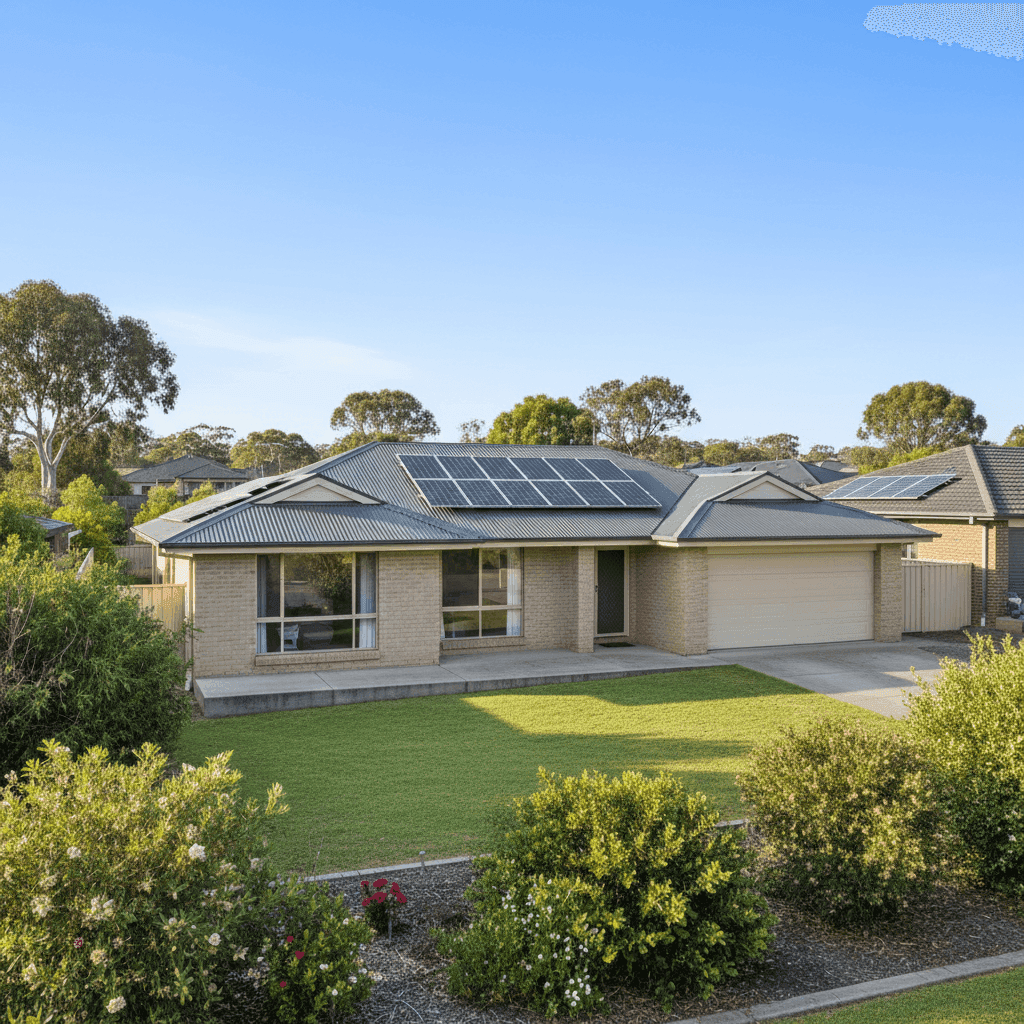
If you own a free standing home in Repton, NSW 2454, you already know this Mid North Coast village offers a relaxed lifestyle — but like anywhere in regional New South Wales, getting the right home insurance at a fair price takes a little research. This article breaks down a real home and contents insurance quote for a three-bedroom property in Repton, compares it against local, state, and national benchmarks, and offers practical advice for homeowners in the area.
---
Is This Quote Fair?
The quote in question comes in at $3,412 per year (or $325 per month) for combined home and contents cover, with a building sum insured of $700,000 and contents valued at $101,000. The building excess is $3,000 and the contents excess is $1,000.
Our price rating for this quote is FAIR — Around Average.
That rating reflects where this premium sits relative to other quotes we've seen for similar properties in the Repton area. At $3,412 per year, this homeowner is paying below the suburb average of $4,283 and below the suburb median of $4,174 — which is a solid outcome. They're sitting comfortably between the 25th percentile ($2,972) and the 75th percentile ($5,136) for the suburb, placing them squarely in the middle of the pack.
In other words, while there may be room to push the premium lower, this is not an overpriced quote by any stretch. For a property of this size and age in a regional NSW location, it represents reasonable value.
---
How Repton Compares
Understanding how a quote stacks up requires looking at multiple layers of data. Here's how Repton sits relative to broader benchmarks:
| Benchmark | Average Premium | Median Premium |
|---|---|---|
| Repton (NSW 2454) | $4,283/yr | $4,174/yr |
| NSW State | $3,801/yr | $3,410/yr |
| National | $2,965/yr | $2,716/yr |
| Nambucca Valley LGA | $5,445/yr | — |
A few things stand out here. First, Repton's suburb averages are notably higher than the NSW state average — and significantly above the national average. This tells us that insuring a home in this part of the Mid North Coast carries a higher-than-typical risk profile in the eyes of insurers.
Perhaps most striking is the Nambucca Valley LGA average of $5,445 per year — well above both the suburb and state figures. This suggests that while Repton itself sits at a moderate level within the LGA, the broader council area contains pockets of significantly elevated risk, likely driven by flood exposure, bushfire proximity, and the challenges of insuring older regional housing stock.
The quote analysed here — at $3,412 — sits below all of those averages except the national median, which reflects the relatively affordable cost of insuring homes in lower-risk parts of the country. For a regional NSW property, this is a competitive outcome.
Explore the full picture on our Repton suburb stats page, NSW state insurance data, or national home insurance statistics.
---
Property Features That Affect Your Premium
Several characteristics of this particular property will have influenced the quote, both positively and negatively.
Double Brick Walls
Double brick construction is generally viewed favourably by insurers. It offers strong resistance to fire, wind, and impact damage compared to timber or clad weatherboard homes. For a 1985-built home, double brick is a durable choice that can help moderate premiums.
Steel / Colorbond Roof
Colorbond steel roofing is another asset when it comes to insurability. It's lightweight, resistant to corrosion, and performs well in bushfire-prone areas due to its non-combustible nature. Insurers typically rate it more favourably than older materials like terracotta tiles (which can crack) or asbestos-cement sheeting common in homes of this era.
Slab Foundation
A concrete slab foundation is a stable base that reduces exposure to certain subsidence and pest-related risks. It's a neutral-to-positive factor for most insurers.
Solar Panels
This property has solar panels installed, which is worth noting. Solar panels add value to the home but also represent an additional insurable asset. Homeowners should confirm with their insurer that panels are explicitly covered under the building policy — not all standard policies include them automatically, and some may require a separate endorsement or a higher sum insured.
1985 Construction
At around 40 years old, this home sits in a generation of properties that can attract closer scrutiny from insurers. Electrical wiring, plumbing, and roofing on homes of this age may be approaching the end of their serviceable life. Keeping these systems updated and well-maintained is important — not just for safety, but for maintaining insurability.
Building Size: 214 sqm
At 214 square metres, this is a mid-sized home. The $700,000 sum insured equates to roughly $3,271 per square metre in rebuild cost — a figure that's broadly in line with current construction costs in regional NSW, particularly given the quality of the double brick construction.
---
Tips for Homeowners in Repton
1. Review Your Sum Insured Annually
Construction costs in regional NSW have risen sharply in recent years. A sum insured that was adequate two or three years ago may now fall short of actual rebuild costs. Use an independent building cost calculator or speak with a local builder to sense-check your coverage figure each year.
2. Confirm Solar Panel Coverage
If your policy doesn't explicitly list solar panels as a covered item, contact your insurer to clarify. Given the investment involved, you want to be certain they're protected against storm damage, hail, and fire — not just assumed to be included.
3. Understand Your Flood and Bushfire Exposure
Repton sits in the Nambucca Valley, a region with known flood and bushfire risk in various pockets. Check your policy's flood and bushfire definitions carefully. Some insurers exclude flood or apply different excess amounts for flood-related claims. The NSW state insurance data can help you understand how risk factors play out across the state.
4. Compare Before You Renew
The gap between the 25th and 75th percentile premiums in Repton — from $2,972 to $5,136 — is significant. That's a spread of over $2,100 per year for broadly similar homes. Shopping around at renewal time, rather than simply accepting the auto-renewal offer, could make a meaningful difference to your annual outgoings.
---
Compare Your Own Quote
Whether you're reviewing an existing policy or shopping for the first time, CoverClub makes it easy to see how your premium compares to others in your area. Get a quote today at CoverClub and find out if you're getting a fair deal — or paying more than you need to.