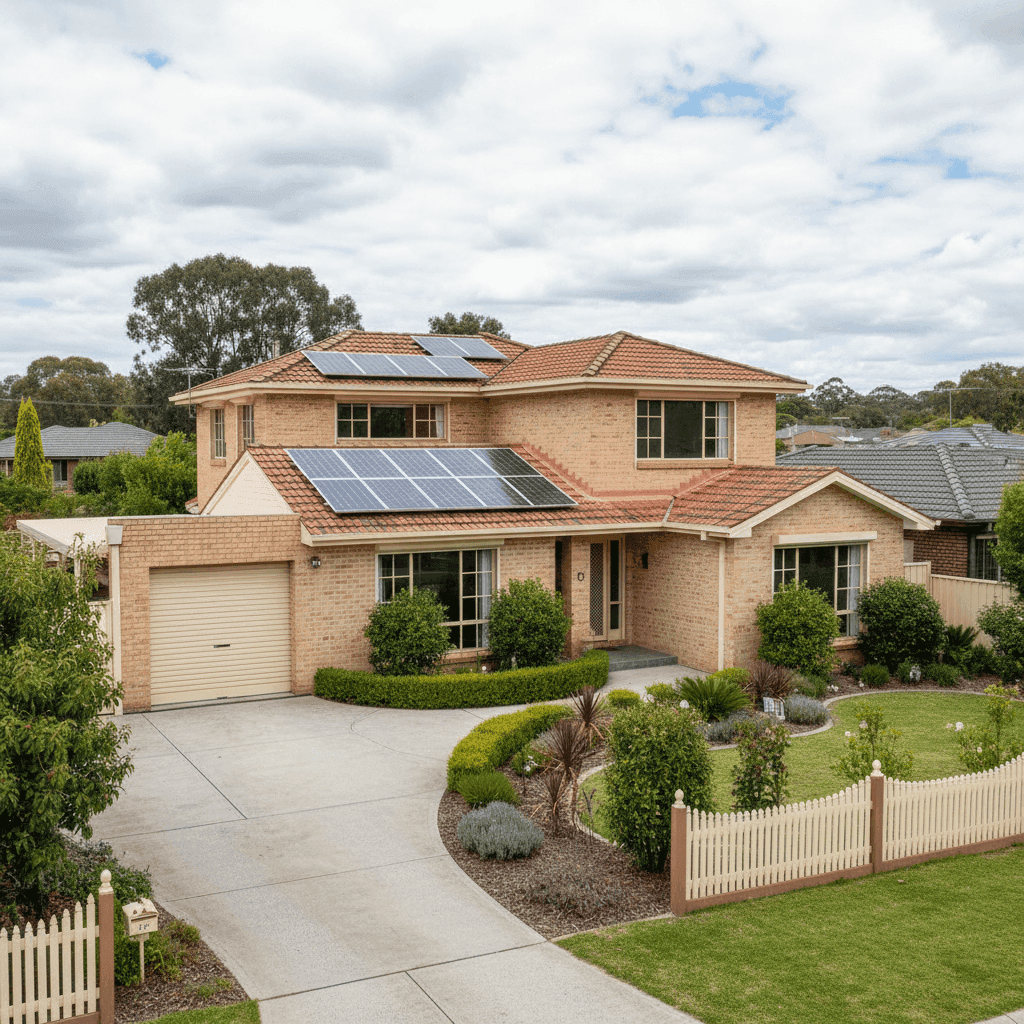
If you own a free standing home in Reservoir, VIC 3073, you've probably wondered whether you're paying too much — or too little — for home insurance. This article breaks down a real home and contents insurance quote for a six-bedroom property in the suburb, compares it against local, state, and national benchmarks, and offers practical tips to help you get better value on your cover.
---
Is This Quote Fair?
The quote in question comes in at $2,881 per year (or $276/month) for combined home and contents insurance, with a building sum insured of $1,191,000 and contents valued at $50,000. Both the building and contents excess are set at $1,000.
Our pricing analysis rates this quote as Expensive — above average for the Reservoir area.
To put that in perspective: the suburb average premium sits at just $1,520 per year, and the median is even lower at $1,448. This quote is nearly double the local median, which is a significant gap worth understanding before renewing or accepting a policy at this price.
That said, context matters. This is a large, six-bedroom home with a high building sum insured of $1.19 million — well above what a typical three- or four-bedroom property in the area would carry. Larger homes with higher replacement values naturally attract higher premiums, and the inclusion of solar panels and ducted climate control also adds to the insured value. So while the dollar figure looks steep compared to the suburb average, the property itself is far from typical.
---
How Reservoir Compares
Understanding where Reservoir sits in the broader insurance landscape helps frame whether this quote is reasonable.
| Benchmark | Premium |
|---|---|
| This Quote | $2,881/yr |
| Reservoir Suburb Average | $1,520/yr |
| Reservoir Suburb Median | $1,448/yr |
| Reservoir 25th Percentile | $1,152/yr |
| Reservoir 75th Percentile | $1,742/yr |
| LGA (Darebin) Average | $1,622/yr |
| VIC State Average | $3,000/yr |
| VIC State Median | $2,718/yr |
| National Average | $5,347/yr |
| National Median | $2,764/yr |
(Based on 65 quotes sampled for the Reservoir postcode.)
A few things stand out here. While this quote exceeds the suburb average by a wide margin, it actually sits below the Victorian state average of $3,000 per year — and well below the national average of $5,347. Compared to the VIC state median of $2,718, this quote is only modestly above average at the state level.
This tells an interesting story: Reservoir as a suburb tends to attract relatively affordable premiums — likely because it sits in a low-risk zone with no cyclone exposure, manageable flood risk, and a well-established suburban character. But for a home of this size and value, the premium is actually quite competitive when viewed through a state or national lens.
You can explore Reservoir's full suburb insurance stats or browse national home insurance benchmarks to see how your own property stacks up.
---
Property Features That Affect Your Premium
Several characteristics of this property have a direct bearing on what insurers charge. Here's how the key features play out:
Double Brick Construction Double brick is generally viewed favourably by insurers. It's durable, fire-resistant, and holds up well over time. Compared to weatherboard or lightweight cladding, double brick walls can help moderate your premium — though they can also be more expensive to repair or rebuild, which influences the sum insured.
Tiled Roof Terracotta or concrete tiles are a common and well-regarded roofing material in Victoria. They're resilient against most weather events and tend to attract standard (rather than elevated) premiums. A tile roof on a double brick home is a solid combination from an insurer's perspective.
Slab Foundation A concrete slab foundation is standard for homes of this era and is generally considered low-risk by insurers. It doesn't carry the subsidence concerns sometimes associated with older stumped or timber-framed foundations.
Solar Panels Solar panels are increasingly common in Melbourne's northern suburbs, but they do add to your insured value. Most insurers cover rooftop solar as part of the building sum insured — it's worth confirming this is explicitly included in your policy, as panels can be costly to replace.
Ducted Climate Control Ducted heating and cooling systems are a significant fixed asset and are typically covered under building insurance. As with solar, it's worth verifying that your policy covers the full replacement cost of the system.
Size: 389 sqm At 389 square metres, this is a genuinely large home. Building size is one of the most significant drivers of the sum insured — and therefore the premium. A $1,191,000 building sum insured reflects the cost of fully rebuilding a home of this scale to a standard finish, which is the primary reason this quote sits above the suburb average.
Construction Year: 1991 A home built in 1991 is now over 30 years old. While it's well past the "new build" stage, it's also not old enough to carry the heritage or structural concerns of pre-war properties. Insurers generally treat homes of this vintage as standard risk, though some may factor in the age of key systems like roofing and plumbing.
---
Tips for Homeowners in Reservoir
1. Make sure your sum insured reflects true rebuild cost — not market value One of the most common mistakes homeowners make is confusing property market value with rebuild cost. In Reservoir, where land values have risen sharply, your home's market price may far exceed what it would actually cost to rebuild. Use a building cost calculator or speak with a quantity surveyor to ensure your $1,191,000 sum insured is accurate — being over-insured means you're paying more premium than necessary.
2. Shop around — especially for large homes Insurers price risk differently, and for a property of this size and value, the spread between the cheapest and most expensive quotes can be substantial. Don't auto-renew without comparing. Get a fresh quote at CoverClub to see what multiple insurers would charge for your specific property.
3. Confirm solar panels and ducted systems are explicitly covered With solar panels and ducted climate control on the property, it's essential to read the Product Disclosure Statement (PDS) carefully. Some policies cover these as standard; others require specific endorsements. A gap in cover here could leave you significantly out of pocket after a claim.
4. Review your contents sum insured annually $50,000 in contents cover is on the lower end for a six-bedroom home. As you accumulate furniture, appliances, clothing, and valuables over time, it's easy for your contents to exceed your insured limit. Conduct an annual home inventory — even a rough one — to make sure your cover keeps pace with what you actually own.
---
Compare and Save with CoverClub
Whether this quote represents good value for your situation depends on your property's specifics and what competing insurers are willing to offer. The best way to find out is to compare. At CoverClub, you can benchmark your premium against real quotes from across Australia and make sure you're not leaving money on the table. It takes just a few minutes — and for a premium of this size, the savings could be well worth it.