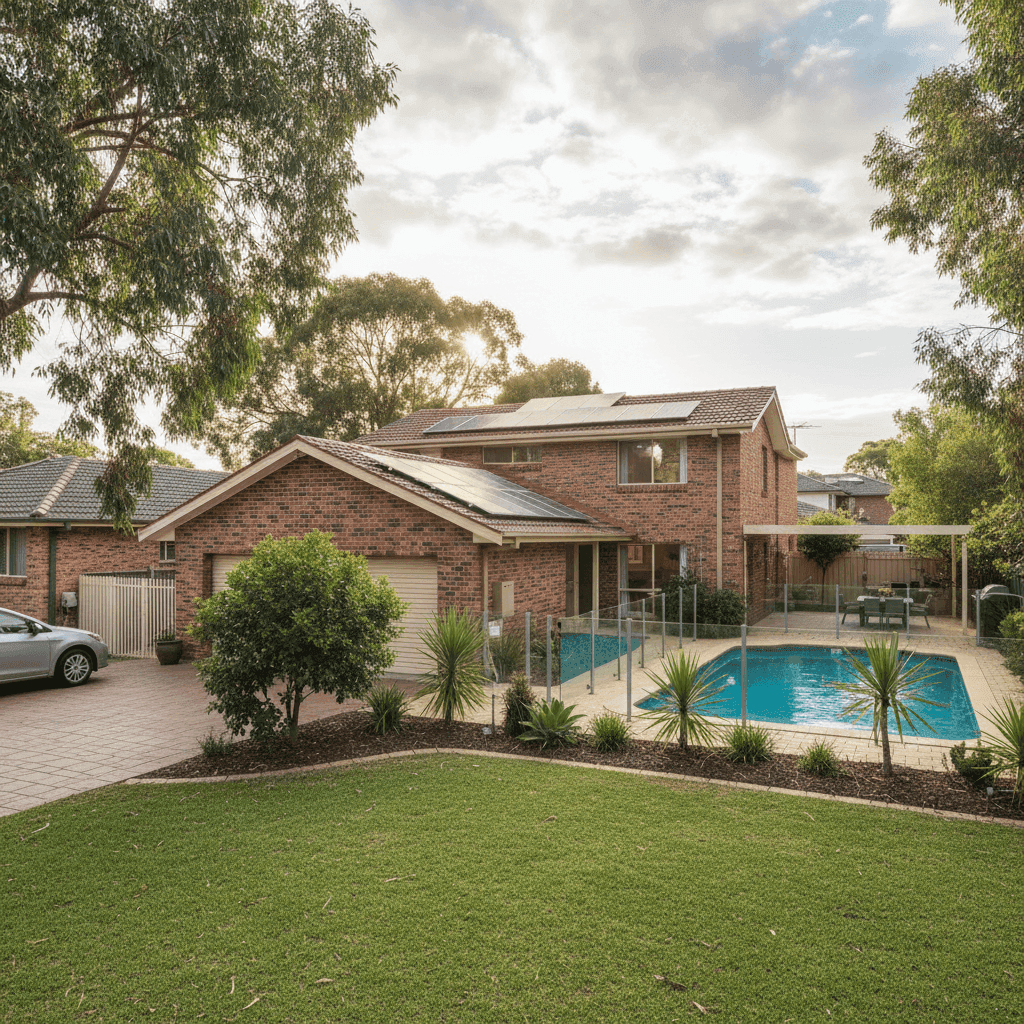
Reservoir, a well-established suburb in Melbourne's northern corridor, is home to a diverse mix of period properties and post-war homes. This analysis looks at a home and contents insurance quote for a five-bedroom, double brick free standing home in Reservoir, VIC 3073 — and breaks down whether the quoted premium represents fair value or a red flag worth acting on.
---
Is This Quote Fair?
The quoted annual premium for this property is $2,019 per year (or $206/month), covering both building and contents. Based on our pricing analysis, this quote has been rated Expensive — Above Average for the Reservoir area.
To put that in perspective: the suburb average sits at $1,520/year, and the median is even lower at $1,448/year. This quote lands well above the 75th percentile for Reservoir ($1,742/year), meaning it's more expensive than roughly three-quarters of comparable quotes in the area.
That said, a few factors justify some of the premium uplift. The building sum insured is set at $950,000 — a substantial figure that reflects the cost of rebuilding a large, 277 sqm double brick home from the ground up. The contents are insured for $20,000, which is on the modest side. Both the building and contents excess are set at $5,000, which is quite high. Typically, a higher excess reduces the premium — so if this quote still lands above average despite the elevated excess, that's worth noting when shopping around.
The bottom line: while some premium loading is understandable given the property's size and rebuild value, the above-average rating suggests there may be room to find a more competitive price with the same level of cover.
---
How Reservoir Compares
Understanding where your suburb sits relative to broader benchmarks helps you gauge whether you're being fairly priced — or overcharged.
| Benchmark | Premium |
|---|---|
| This Quote | $2,019/yr |
| Reservoir Suburb Average | $1,520/yr |
| Reservoir Suburb Median | $1,448/yr |
| Reservoir 25th Percentile | $1,152/yr |
| Reservoir 75th Percentile | $1,742/yr |
| LGA (Darebin) Average | $1,622/yr |
| VIC State Average | $3,000/yr |
| VIC State Median | $2,718/yr |
| National Average | $5,347/yr |
| National Median | $2,764/yr |
(Based on 65 quotes sampled in the Reservoir area)
One of the more striking takeaways here is how favourably Reservoir compares to state-wide Victorian averages and national benchmarks. The Victorian state average is $3,000/year, and the national average is a steep $5,347/year — both significantly higher than what most Reservoir homeowners pay.
This reflects Reservoir's relatively low natural hazard exposure. The suburb is not in a cyclone risk zone, faces minimal bushfire threat compared to outer Melbourne regions, and doesn't sit in a known flood plain. These factors collectively keep premiums in the area more manageable than many other parts of Australia.
Even so, this particular quote exceeds the local suburb average by nearly $500/year — a gap worth investigating before renewing or accepting.
---
Property Features That Affect Your Premium
Several characteristics of this property have a direct bearing on the cost of insurance. Here's how they play out:
Double Brick Construction Double brick is generally viewed favourably by insurers. It's durable, fire-resistant, and less susceptible to storm damage than timber-framed homes. This construction type can help moderate premiums compared to less resilient materials.
Tiled Roof Terracotta or concrete tiles are a standard, well-regarded roofing material in Victoria. They perform well in moderate weather conditions and are straightforward to repair or replace, which insurers tend to price accordingly.
Slab Foundation A concrete slab foundation is common in post-war Melbourne homes and is generally considered a stable, low-risk foundation type. It doesn't carry the same subsidence concerns as older pier-and-beam foundations.
Timber and Laminate Flooring While aesthetically popular, timber and laminate flooring can be more costly to repair or replace after water damage compared to tiles. This may contribute marginally to the contents and building premium.
Swimming Pool Pools add both value and liability to a property. Insurers factor in the increased risk of accidental damage, legal liability (particularly involving children), and the cost of pool-related repairs when calculating premiums.
Solar Panels Solar panels are increasingly common on Australian rooftops, but they do add to the insured rebuild value and can be damaged by hail or storms. Ensuring your building sum insured accounts for the replacement cost of your solar system is important.
Ducted Climate Control Ducted heating and cooling systems are a significant fixed asset within the home. Damage to ductwork or the central unit can be expensive to rectify, and this is typically captured under building cover.
Building Size: 277 sqm At 277 square metres, this is a large home by Melbourne suburban standards. The building sum insured of $950,000 reflects the higher per-square-metre rebuild cost associated with a property of this size and construction quality.
---
Tips for Homeowners in Reservoir
1. Review Your Building Sum Insured Annually Construction costs in Victoria have risen significantly in recent years. If your sum insured hasn't been updated to reflect current rebuild costs, you could be underinsured — or conversely, paying for more cover than you need. Use a building cost calculator or speak with a quantity surveyor to validate your figure.
2. Consider Adjusting Your Excess Both the building and contents excess on this quote are set at $5,000. While a higher excess typically lowers your premium, this quote still comes in above the suburb average. It's worth testing different excess levels across multiple insurers to find the right balance between upfront savings and out-of-pocket risk.
3. Don't Forget to Insure Your Solar Panels and Pool Properly Make sure your policy explicitly covers solar panels (including inverters) and your swimming pool. Some standard policies treat these as optional extras or have sub-limits. Check the Product Disclosure Statement (PDS) carefully to avoid nasty surprises at claim time.
4. Compare Quotes Before Renewing Loyalty rarely pays in Australian home insurance. Insurers often offer better rates to new customers than to existing policyholders. With this quote rated above average for Reservoir, it's a strong signal to shop around. Even saving $300–$400/year adds up significantly over time.
---
Ready to Find a Better Rate?
If this quote sounds like yours — or you're simply not sure whether you're getting value for money — CoverClub makes it easy to compare home and contents insurance options side by side. Whether you're in Reservoir or anywhere else in Australia, you can get a quote in minutes and see how your premium stacks up against real data from your suburb. Don't pay more than you need to — your next better deal could be just a few clicks away.