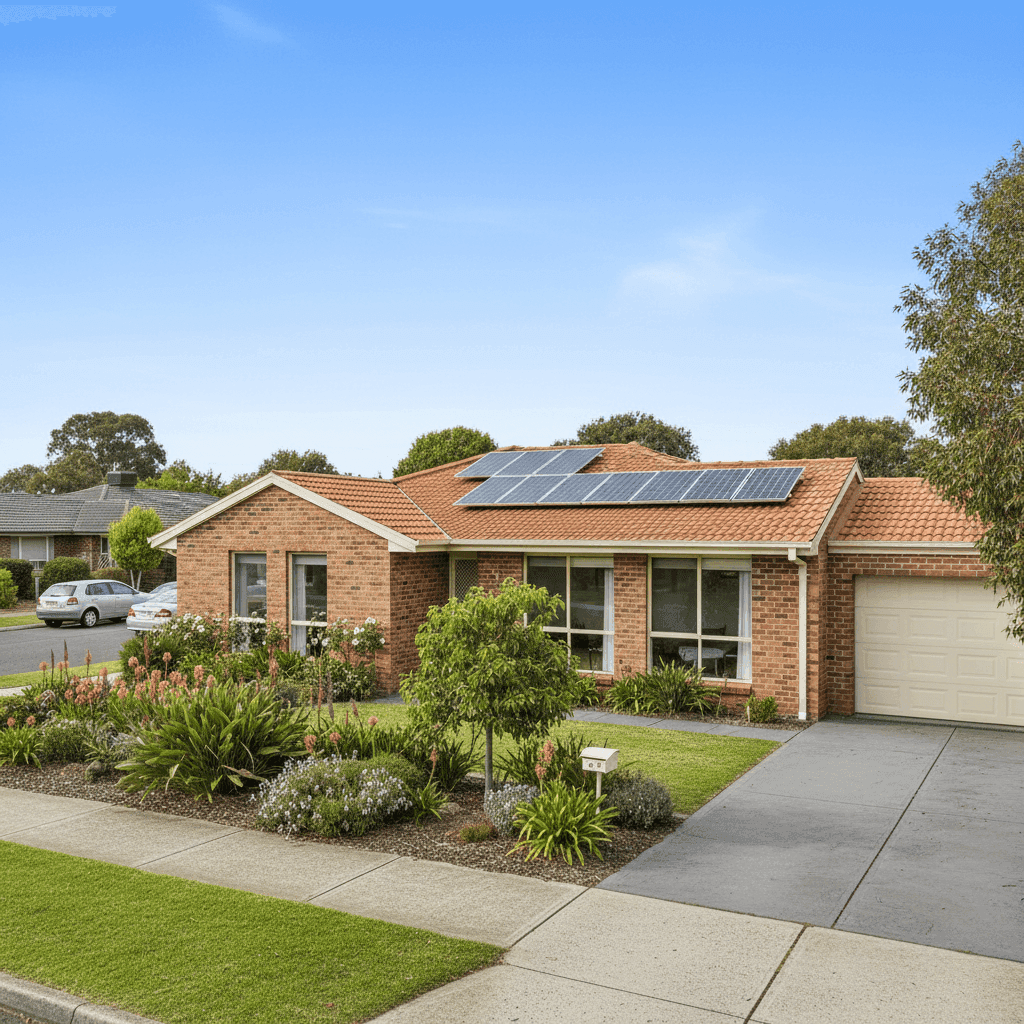
Reservoir is a well-established suburb in Melbourne's north, sitting within the City of Darebin and known for its mix of post-war character homes and newer developments. This analysis looks at a home and contents insurance quote for a four-bedroom, three-bathroom free-standing home in Reservoir (VIC 3073) — a brick veneer property built in 1995, sitting on stumps with a tiled roof and timber/laminate flooring throughout. At $3,023 per year (or $290 per month), this quote comes in at a price rating of Expensive, and it's worth unpacking exactly why.
---
Is This Quote Fair?
The short answer: it's on the higher end — but not without reason.
Our price rating of Expensive (Above Average) reflects how this premium sits relative to comparable properties in the area. The suburb average for Reservoir sits at just $1,520 per year, with a median of $1,448 — meaning this quote is more than double what most locals are paying. Even at the 75th percentile (the top quarter of Reservoir premiums), quotes reach only $1,742 per year, still well below this figure.
However, context matters here. The sum insured for the building is $1,201,000 — a substantial figure that immediately places this policy in a different tier to many standard quotes. A higher rebuild value means greater exposure for the insurer, and that's directly reflected in the premium. The contents cover of $142,000 also adds meaningful weight to the overall cost.
That said, it's always worth shopping around. Premiums can vary significantly between insurers for the same property, and a quote that feels expensive from one provider may be considerably more competitive elsewhere.
---
How Reservoir Compares
To put this quote in proper perspective, here's how it stacks up across different benchmarks:
| Benchmark | Premium |
|---|---|
| This Quote | $3,023/yr |
| Reservoir Suburb Average | $1,520/yr |
| Reservoir Suburb Median | $1,448/yr |
| Reservoir 75th Percentile | $1,742/yr |
| LGA (Darebin) Average | $1,622/yr |
| VIC State Average | $3,000/yr |
| VIC State Median | $2,718/yr |
| National Average | $5,347/yr |
| National Median | $2,764/yr |
(Based on 65 quotes sampled in the Reservoir area.)
Interestingly, this quote aligns closely with the Victorian state average of $3,000 per year, which suggests that while it appears expensive locally, it's broadly in line with what Victorians with higher-value properties are paying. And compared to the national average of $5,347, it's actually quite reasonable — particularly given the high building sum insured.
The gap between the suburb average and this quote is largely explained by the policy's coverage scope. Many Reservoir quotes in our dataset likely cover lower rebuild values or contents amounts, which naturally pulls the local average down.
---
Property Features That Affect Your Premium
Several characteristics of this property have a direct bearing on the premium calculated:
Brick Veneer Construction Brick veneer is generally viewed favourably by insurers. It offers solid fire resistance and durability compared to weatherboard or cladding alternatives, which can help keep premiums competitive. That said, it's not as robust as full double-brick in the event of significant structural stress.
Tiled Roof Terracotta or concrete tiles are a standard and well-regarded roofing material in Victoria. They're durable, fire-resistant, and generally attract lower risk ratings than metal roofing or older materials like fibro. This works in the homeowner's favour.
Stump Foundation Homes on stumps — common across Melbourne's older suburbs — can be more susceptible to movement and moisture-related issues over time. Insurers may factor this into their risk assessment, particularly when it comes to subsidence or gradual damage exclusions.
Timber and Laminate Flooring These floor types can be more costly to repair or replace following water damage compared to tiles, which may slightly elevate the contents and building replacement estimates.
Solar Panels The presence of rooftop solar panels adds replacement value to the building sum insured and introduces a small additional risk factor (electrical faults, storm damage to panels). It's important to confirm with your insurer that solar panels are explicitly covered under your policy.
Ducted Climate Control A ducted heating and cooling system is a significant fixed asset. It contributes to the overall building replacement cost and should be clearly accounted for in your sum insured calculation.
Above Average Fittings Quality With above-average fittings — think quality kitchen appliances, premium tapware, stone benchtops — the cost to rebuild or repair to the same standard is higher. This is appropriately reflected in a higher building sum insured and, consequently, a higher premium.
---
Tips for Homeowners in Reservoir
1. Review Your Sum Insured Carefully A building sum insured of $1,201,000 is significant — and accurate valuation is critical. Underinsuring leaves you exposed in a total loss scenario, but overinsuring means you're paying more in premiums than necessary. Use a professional building cost estimator or ask your insurer to walk you through their calculation methodology.
2. Confirm Solar Panel Coverage Not all home insurance policies automatically cover rooftop solar systems as part of the building. Check your Product Disclosure Statement (PDS) carefully to ensure your panels, inverter, and associated wiring are explicitly included — and that the replacement value is factored into your sum insured.
3. Compare Multiple Quotes The Reservoir suburb average of $1,520 per year demonstrates that there's meaningful price variation in this market. Even accounting for higher coverage levels, comparing quotes from multiple insurers can surface significant savings. Get a comparison quote at CoverClub to see what else is available for your property.
4. Ask About Bundling Discounts Many insurers offer discounts when you hold both home and contents cover with them — which this policy already does. However, it's worth asking whether additional discounts apply for loyalty, claim-free history, or paying annually rather than monthly. Paying the annual premium of $3,023 upfront (rather than $290/month, which totals $3,480/year) could save you over $450 annually.
---
Get a Better Deal on Home Insurance
Whether you're happy with your current cover or suspect you might be paying too much, it pays to compare. CoverClub makes it easy to benchmark your premium against real quotes from Reservoir and across Victoria — so you can make an informed decision about your home insurance.
Compare home insurance quotes at CoverClub and see how much you could save on your next renewal.