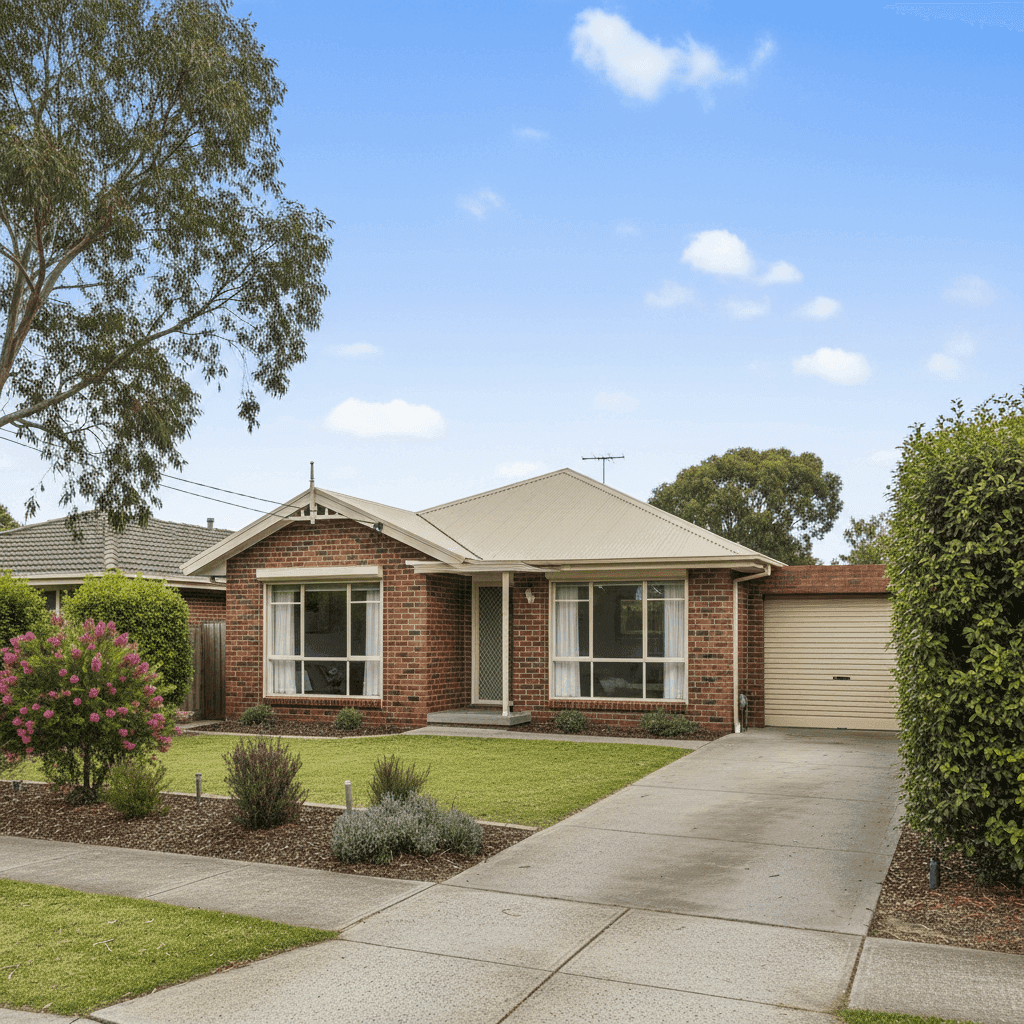
If you own a free standing home in Reservoir, VIC 3073, you're likely paying close attention to the rising cost of home insurance. This article breaks down a real home and contents insurance quote for a three-bedroom, three-bathroom brick veneer home in Reservoir — and puts that number into context using suburb, state, and national benchmarks. Whether you're renewing your policy or shopping around for the first time, understanding what drives your premium is the first step to making a smarter decision.
---
Is This Quote Fair?
The quote in question comes in at $1,980 per year (or $193/month) for combined home and contents cover, with a building sum insured of $1,208,000 and contents valued at $152,000. The building excess is $2,000 and the contents excess is $1,000.
Our price rating for this quote is EXPENSIVE — above average for the Reservoir area.
To put that in perspective, the suburb average annual premium sits at $1,365, and the median is $1,372 — meaning this quote is roughly $615 above the local average, or about 45% more expensive than what most Reservoir homeowners are paying. Even compared to the 75th percentile for the suburb ($1,751/yr), this quote exceeds what three-quarters of local policyholders are paying.
That said, context matters. The building sum insured of $1,208,000 is likely on the higher end for a 143 sqm home, and the contents value of $152,000 is a meaningful addition to the total insured amount. Higher insured values naturally push premiums up, so it's worth asking whether those figures accurately reflect your replacement costs — or whether they've been set conservatively high.
---
How Reservoir Compares
Reservoir sits in a relatively affordable insurance zone compared to the broader state and national picture. Here's how the numbers stack up:
| Benchmark | Average Premium | Median Premium |
|---|---|---|
| Reservoir (3073) | $1,365/yr | $1,372/yr |
| LGA (Darebin) | $1,685/yr | — |
| Victoria | $2,921/yr | $2,694/yr |
| National | $2,965/yr | $2,716/yr |
Reservoir homeowners enjoy a significant pricing advantage over the Victorian and national averages. The suburb average of $1,365/yr is less than half the Victorian average of $2,921/yr, and well below the national average of $2,965/yr. This reflects Reservoir's relatively low exposure to natural perils such as flooding, bushfire, and cyclones — risks that drive up premiums significantly in other parts of the country.
Even within the City of Darebin LGA, Reservoir comes in notably cheaper than the LGA average of $1,685/yr, suggesting it's one of the more competitively priced pockets within the council area.
You can explore the full breakdown of local insurance pricing on the Reservoir suburb stats page, compare it against Victoria-wide data, or view national insurance benchmarks to see how your area stacks up on a broader scale.
---
Property Features That Affect Your Premium
Every home is different, and insurers assess a range of property characteristics when calculating your premium. Here's how the features of this particular home factor in:
Brick Veneer Walls Brick veneer is one of the most common external wall materials in Melbourne's northern suburbs, and insurers generally view it favourably. It offers good fire resistance and structural durability, which can help moderate your premium compared to more vulnerable materials like weatherboard or fibre cement.
Steel/Colorbond Roof A Colorbond steel roof is considered a low-maintenance, durable roofing option. It performs well in high-wind events and is resistant to fire embers — a positive signal for insurers. Compared to older terracotta or concrete tiles, Colorbond roofs are less prone to cracking and storm damage.
Stump Foundation Homes on stumps (also known as pier foundations) are common in Victoria, particularly in older suburbs. While stump foundations allow for good underfloor ventilation, they can be susceptible to movement over time, which some insurers factor into their risk assessment. It's worth ensuring your policy covers any gradual damage or subsidence risks.
Timber/Laminate Flooring Timber and laminate floors are a standard feature in many Melbourne homes and don't typically attract a premium loading. However, they can be more vulnerable to water damage than tiles, so it's worth confirming your policy's water damage provisions.
Construction Year: 1997 A home built in 1997 is relatively modern by Melbourne standards. It's likely to comply with building codes that were updated through the 1990s, reducing some of the structural risks associated with older homes. That said, components like plumbing, wiring, and roofing may be approaching the age where maintenance becomes more important.
No Pool, Solar Panels, or Ducted Climate Control The absence of a pool, solar panels, and ducted heating/cooling simplifies the risk profile of this property. Each of these features can add to both the replacement cost and the liability exposure of a home, so their absence helps keep the base premium lower.
---
Tips for Homeowners in Reservoir
1. Review your sum insured carefully A building sum insured of $1,208,000 for a 143 sqm home may be higher than necessary, depending on local construction costs. Overinsuring can significantly inflate your premium without providing any additional benefit at claim time. Use a building cost calculator or speak with a quantity surveyor to make sure your sum insured reflects realistic rebuild costs — not the market value of your property.
2. Shop around at renewal time Insurers don't always reward loyalty. With 75 quotes sampled in the Reservoir area alone, there's clearly a competitive market here. Comparing multiple quotes before renewing could save you hundreds of dollars annually. Get a quote through CoverClub to see what other insurers are offering for your property.
3. Consider adjusting your excess This policy carries a $2,000 building excess and a $1,000 contents excess. Opting for a higher excess is one of the most straightforward ways to reduce your annual premium. If you have a solid emergency fund and are unlikely to make small claims, increasing your excess could offer meaningful savings.
4. Keep up with home maintenance Insurers can reduce or deny claims if damage is attributed to a lack of maintenance. For a home on stumps with timber flooring, this is especially relevant — regular checks of subfloor ventilation, stump condition, and roof integrity can protect both your home and your claim eligibility.
---
Compare Your Home Insurance Today
Whether this quote reflects your situation or you're simply curious about what else is available, comparing your options is always worthwhile. CoverClub makes it easy to benchmark your current premium against real quotes from across the market — so you can be confident you're getting the right cover at a fair price.