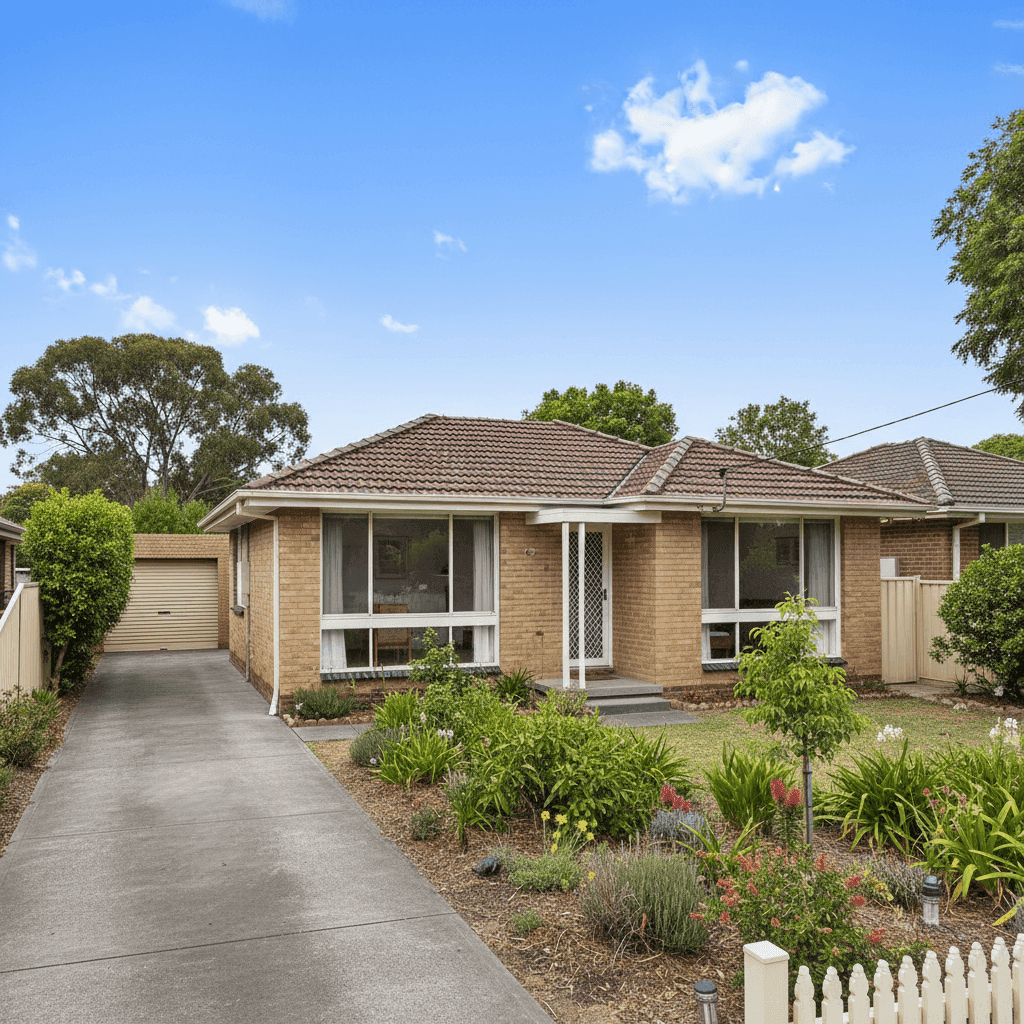
If you own a free standing home in Reservoir, VIC 3073, you've probably wondered whether you're paying a fair price for home insurance — or quietly overpaying while your insurer quietly profits. This article breaks down a real home and contents insurance quote for a four-bedroom, three-bathroom brick veneer property in Reservoir, comparing it against local, state, and national benchmarks so you can make a genuinely informed decision.
---
Is This Quote Fair?
The annual premium for this property comes in at $1,738 per year (or roughly $170 per month), covering both building (sum insured: $550,000) and contents ($50,000), each with a $1,000 excess.
Our price rating for this quote is FAIR — Around Average.
That assessment holds up when you look at the numbers. The suburb average premium for Reservoir sits at $1,520 per year, with a median of $1,448. This quote lands just above the 75th percentile for the suburb ($1,742), meaning it's slightly pricier than roughly three-quarters of comparable quotes in the area — but only just. It's worth noting that the sum insured here ($550,000 for building alone) is on the higher end, which naturally pushes the premium up. If the building value were lower, you'd likely see a figure closer to the suburb median.
In short: the premium isn't a bargain, but it's not unreasonable either. There's room to shop around, but you're not being dramatically overcharged.
---
How Reservoir Compares
One of the more striking takeaways from this analysis is just how affordable Reservoir is relative to the rest of Victoria and the country.
| Benchmark | Average Premium | Median Premium |
|---|---|---|
| Reservoir (suburb) | $1,520/yr | $1,448/yr |
| Darebin LGA | $1,622/yr | — |
| Victoria (state) | $3,000/yr | $2,718/yr |
| National | $5,347/yr | $2,764/yr |
Reservoir homeowners are paying, on average, roughly half what the typical Victorian pays — and less than a third of the national average. That's a significant difference, and it reflects the suburb's relatively low exposure to catastrophic weather events like flooding, cyclones, and bushfires compared to many other parts of Australia.
The Darebin LGA average of $1,622 per year sits between the suburb median and this specific quote, which is consistent with what you'd expect from a slightly broader geographic sample. You can explore full suburb-level data on the Reservoir stats page, or compare against Victoria-wide figures and national benchmarks to put your own premium in context.
---
Property Features That Affect Your Premium
Every insurer prices risk differently, but certain property characteristics consistently influence what you'll pay. Here's how this particular home stacks up:
Brick veneer construction is generally viewed favourably by insurers. It offers solid fire resistance and structural durability, which can help keep premiums lower compared to weatherboard or other timber-frame homes. That said, brick veneer is not the same as full-brick — the timber frame behind the veneer can still be vulnerable to moisture and pest damage over time.
Tiled roof is another positive signal. Tiles are durable and long-lasting, and insurers typically price them more competitively than corrugated iron or older materials like fibrous cement sheeting.
Construction year: 1968 is worth paying attention to. Homes built in the 1960s may have older electrical wiring, plumbing, and structural elements that some insurers view as higher risk. If your home hasn't had these systems updated in recent decades, it's worth disclosing this accurately — and potentially investing in upgrades that could reduce your premium.
Slab foundation is standard for the era and generally unproblematic from an insurance perspective, though it's worth monitoring for subsidence or cracking, particularly in Melbourne's clay-heavy soils.
Timber and laminate flooring can be a factor in contents claims — timber floors are susceptible to water damage, so it's worth ensuring your policy covers escape of liquid events adequately.
Ducted climate control adds to the insured value of the home's fixtures and fittings, which is reflected in the building sum insured. It's a meaningful asset that's worth protecting, and ensuring it's captured in your sum insured is important to avoid being underinsured.
At 139 sqm, this is a reasonably sized four-bedroom home, and the $550,000 building sum insured works out to approximately $3,957 per sqm — which is broadly in line with current rebuild cost estimates for Melbourne's northern suburbs, though it's always worth getting a professional assessment to confirm your sum insured is accurate.
---
Tips for Homeowners in Reservoir
1. Check your sum insured regularly Building costs have risen sharply in recent years. A sum insured that was accurate two or three years ago may no longer cover a full rebuild today. Use a building cost calculator or speak to a quantity surveyor to make sure you're not underinsured — it's one of the most common and costly mistakes homeowners make.
2. Consider raising your excess to lower your premium Both the building and contents excess on this policy sit at $1,000. If you have a financial buffer and rarely make small claims, increasing your excess (say, to $2,000 or $2,500) can meaningfully reduce your annual premium. Just make sure you can comfortably cover the excess if something does go wrong.
3. Review your contents value honestly $50,000 in contents cover is relatively modest for a four-bedroom, three-bathroom home. Take a room-by-room inventory — furniture, appliances, clothing, electronics, jewellery, and outdoor items all add up quickly. Underinsuring your contents can leave you significantly out of pocket after a claim.
4. Shop around at renewal time Loyalty doesn't always pay in the insurance industry. Insurers often offer better rates to new customers than they do to existing ones. Make a habit of comparing quotes at renewal — even if you ultimately stay with your current provider, you'll have the leverage of knowing what else is out there.
---
Compare Your Quote at CoverClub
Whether this quote is right for you depends on your individual circumstances, risk appetite, and what level of cover you actually need. The best way to know if you're getting a competitive deal is to compare. At CoverClub, you can enter your property details and instantly see how your premium stacks up — no obligation, no spam, just clear data to help you decide.