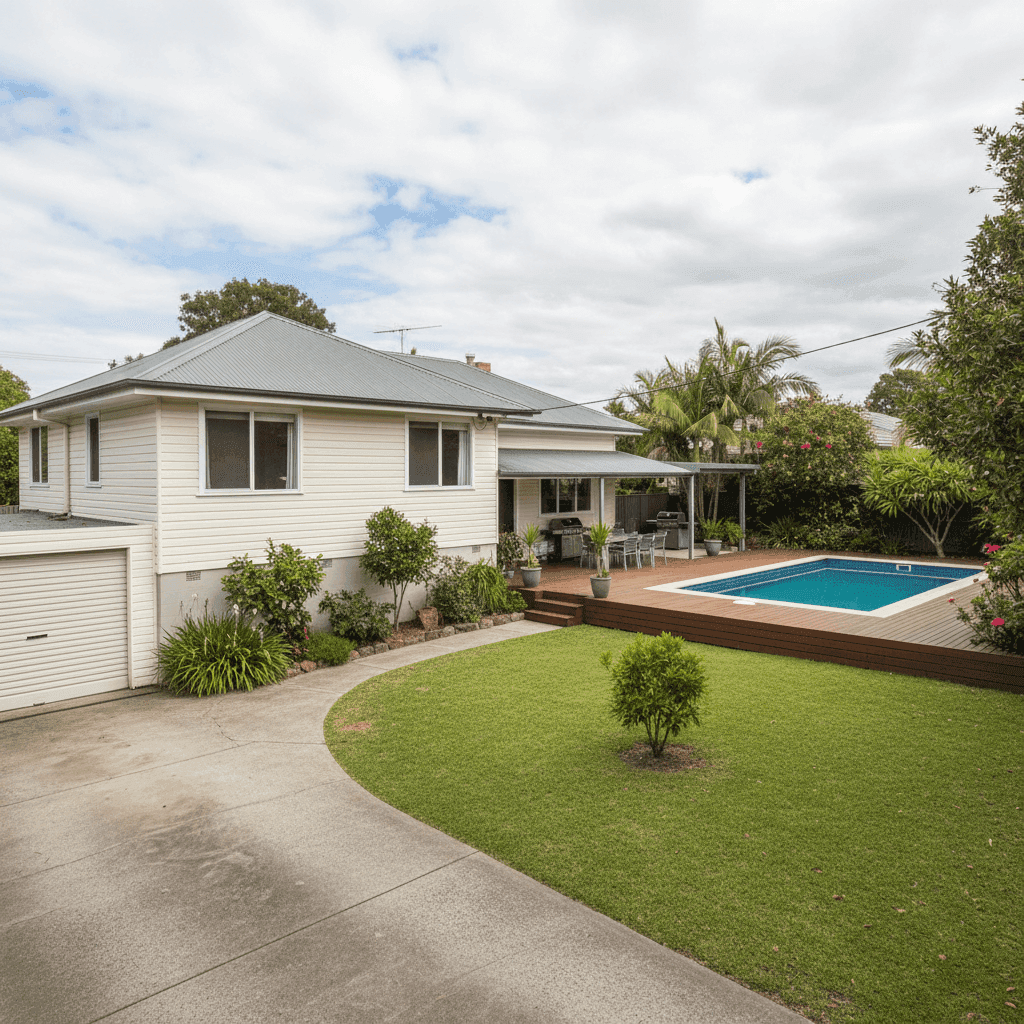
Revesby is a well-established suburb in Sydney's south-west, sitting within the Canterbury-Bankstown Local Government Area. Known for its mix of post-war homes, leafy streets, and proximity to the Georges River, it's a popular choice for families looking for space without straying too far from the CBD. This article takes a close look at a real home insurance quote for a four-bedroom, free-standing home in Revesby — and breaks down whether the price stacks up.
---
Is This Quote Fair?
The annual premium for this property came in at $1,757 per year (or $174/month) for combined home and contents cover, with a building sum insured of $607,000 and contents valued at $100,000. Our price rating for this quote is Expensive — above average for the area.
To put that in context: the suburb average for Revesby sits at $1,450/year, and the median is even lower at $1,405/year. This quote lands above the 75th percentile for the suburb (which is $1,737/year), meaning it's priced higher than roughly three-quarters of comparable quotes we've seen in the postcode.
That said, "expensive" doesn't automatically mean "wrong." Several property-specific factors — which we'll cover below — can legitimately push a premium above the suburb norm. The key question is whether those factors justify the gap, and whether shopping around might uncover a more competitive rate for the same level of cover.
---
How Revesby Compares
One of the more striking takeaways from this data is just how affordable Revesby is relative to broader benchmarks. Check out the numbers:
| Benchmark | Average Premium |
|---|---|
| Revesby (suburb average) | $1,450/yr |
| Canterbury-Bankstown LGA | $1,910/yr |
| New South Wales (state average) | $3,801/yr |
| National average | $2,965/yr |
Even at $1,757/year — the "expensive" end for this suburb — this quote is still well below the NSW state average of $3,801/year and the national average of $2,965/year. Homeowners in coastal, flood-prone, or cyclone-affected regions of NSW often face dramatically higher premiums, which pulls those state and national figures up considerably.
Revesby's relatively contained risk profile helps keep premiums lower than much of the state. You can explore the full Revesby suburb insurance statistics or compare against all NSW postcodes and national benchmarks to see how your own situation fits in.
It's also worth noting that our Revesby sample includes 15 quotes — a reasonable dataset for a suburban postcode, though a larger sample would give even greater confidence in those averages.
---
Property Features That Affect Your Premium
Every home is different, and insurers price policies based on a detailed picture of the property. Here are the key characteristics of this home and how they're likely influencing the premium:
Age of Construction (1950)
Built in 1950, this home is over 70 years old. Older properties can attract higher premiums because ageing electrical wiring, plumbing, and structural components may increase the likelihood of a claim. Insurers may also apply a loading to reflect the higher cost of sourcing period-appropriate materials for repairs.
Vinyl Cladding Walls
Vinyl cladding is a relatively common external wall material on renovated or updated post-war homes. It's generally considered a moderate-risk material — not as fire-resistant as brick veneer, but more manageable than some timber-clad alternatives. Some insurers price this similarly to weatherboard; others may apply a slight loading depending on their risk models.
Steel / Colorbond Roof
Good news here — Colorbond roofing is widely regarded as a lower-risk option by insurers. It's durable, fire-resistant, and performs well in storms. This feature likely works in favour of keeping the premium down.
Stump Foundation
Homes on stumps (also called pier or post foundations) are common in older Sydney suburbs. While they allow for good subfloor ventilation, they can be more susceptible to movement, pest damage, and subfloor moisture issues. Some insurers factor this into their pricing, particularly for homes of this age.
Timber / Laminate Flooring
Timber and laminate floors are a standard feature in many homes of this era. From an insurance perspective, they're not a major risk driver, though they can be costly to replace or repair following water damage events.
Swimming Pool
The presence of a pool adds complexity to a home insurance policy. Pools can increase the replacement cost of the property (contributing to a higher building sum insured), and some insurers include pool-related liability considerations in their pricing. It's worth confirming your policy explicitly covers pool infrastructure and any associated equipment.
Building Size (235 sqm) and Sum Insured ($607,000)
At 235 sqm, this is a generously sized home for the suburb. The building sum insured of $607,000 reflects the cost to fully rebuild — not the market value — and is the primary driver of the building premium component. It's important this figure is accurate; underinsurance is a common and costly mistake.
---
Tips for Homeowners in Revesby
1. Review your sum insured regularly Construction costs have risen significantly in recent years. If your building sum insured hasn't been updated to reflect current rebuild costs, you could be underinsured. Use an independent building cost calculator or speak with a quantity surveyor to verify your figure.
2. Compare quotes — even if you're happy with your current insurer This quote sits above the suburb's 75th percentile. That doesn't mean it's the wrong policy, but it does suggest there may be more competitive options available. Getting a fresh quote through CoverClub takes minutes and could reveal meaningful savings.
3. Consider your excess settings This policy carries a $2,000 building excess and a $600 contents excess. Opting for a higher voluntary excess is one of the most straightforward ways to reduce your annual premium — just make sure you could comfortably cover that amount if you needed to make a claim.
4. Ask about discounts for security and safety features Some insurers offer premium reductions for homes with monitored alarms, deadbolts, or smoke detectors. Given the age of this property, upgrading security or safety features could serve double duty — improving your home's safety and potentially lowering your insurance costs.
---
Ready to Find a Better Rate?
Whether you're happy with your current cover or just curious about what else is out there, it pays to compare. CoverClub makes it easy to see how your home insurance quote stacks up against real data from your suburb and across Australia. Start comparing home insurance quotes today — it's free, fast, and could save you hundreds.