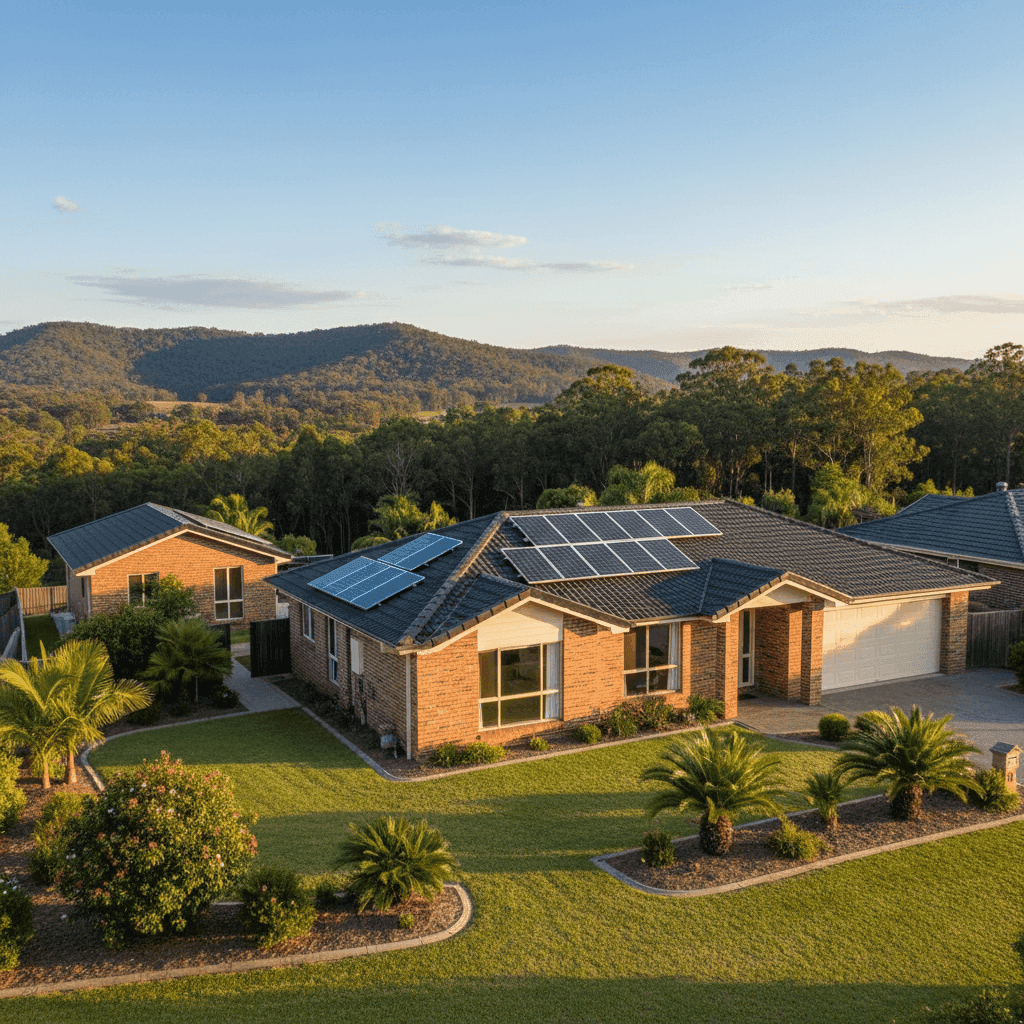
Richmond Hill is a quiet residential pocket within the Ballina LGA in northern New South Wales, sitting in the 2480 postcode alongside Lismore and surrounds. It's a region known for its lush hinterland, relaxed lifestyle, and a mix of established homes — many of which, like the property we're examining today, were built in the post-war and mid-century era. This article takes a close look at a real home insurance quote for a four-bedroom, three-bathroom free-standing home in Richmond Hill, breaks down whether it represents fair value, and offers practical advice for local homeowners looking to protect their most important asset.
---
Is This Quote Fair?
The quote in question is $2,879 per year (or $288 per month) for combined Home and Contents cover, with a building sum insured of $750,000 and contents valued at $100,000. The building excess sits at $4,000 and the contents excess at $1,000.
Our price rating for this quote is FAIR — Around Average, and when you dig into the data, that assessment holds up well.
Compared to the Richmond Hill suburb average of $2,935/yr, this quote comes in slightly below the mean — a modest saving of around $56 annually. It also sits just under the suburb median of $2,896/yr, placing it comfortably in the middle of the market for this area. That's a reasonable outcome for a property of this size and age.
Where things get more interesting is when you zoom out. The NSW state average for home and contents insurance sits at $3,801/yr, with a median of $3,410/yr. This quote beats both figures by a meaningful margin — roughly $930 below the state average. That's a significant difference, and it suggests the insurer has assessed this particular property favourably relative to many other New South Wales homes.
---
How Richmond Hill Compares
Understanding where Richmond Hill sits in the broader insurance landscape helps put any individual quote in context.
| Benchmark | Premium |
|---|---|
| This Quote | $2,879/yr |
| Richmond Hill Suburb Average | $2,935/yr |
| Richmond Hill Suburb Median | $2,896/yr |
| Richmond Hill 25th Percentile | $2,155/yr |
| Richmond Hill 75th Percentile | $3,323/yr |
| NSW State Average | $3,801/yr |
| NSW State Median | $3,410/yr |
| National Average | $2,965/yr |
| National Median | $2,716/yr |
| Ballina LGA Average | $5,486/yr |
(Based on 26 quotes sampled in the Richmond Hill area.)
One figure that jumps out immediately is the Ballina LGA average of $5,486/yr — nearly double this quote. The Ballina LGA encompasses coastal and flood-prone areas that attract significantly higher premiums, particularly following the catastrophic floods of 2022 that devastated parts of the Northern Rivers region. Richmond Hill, sitting in the hinterland rather than on the floodplain, appears to attract considerably lower risk assessments from insurers — which is reflected in this quote.
Interestingly, this quote also comes in slightly above the national median of $2,716/yr, though it's very close to the national average of $2,965/yr. For a property of this size — 214 sqm with four bedrooms, three bathrooms, and a granny flat — that's a competitive result on a national scale.
---
Property Features That Affect Your Premium
Several characteristics of this home are worth examining, as they each play a role in how insurers price the risk.
Brick Veneer Walls & Tiled Roof This combination is generally well-regarded by insurers. Brick veneer offers solid fire resistance and structural durability, while a tiled roof provides good protection against the elements. Both materials tend to attract more favourable premiums compared to timber weatherboard or corrugated iron alternatives.
Construction Year: 1977 Homes built in the late 1970s can be a mixed bag for insurers. Electrical wiring, plumbing, and roofing from this era may be approaching the end of their serviceable life, which can increase the likelihood of claims. However, a well-maintained 1977 build on a concrete slab foundation is generally considered structurally sound.
Slab Foundation A concrete slab is typically viewed positively by insurers — it's stable, resistant to termite ingress from below, and less susceptible to subsidence compared to older stumped or piled foundations.
Solar Panels The presence of solar panels adds modest complexity to a home insurance policy. Panels themselves need to be covered for damage (from storms, hail, or fire), and their value should be factored into the building sum insured. It's worth confirming with your insurer that solar panels are explicitly included in your policy.
Granny Flat A granny flat on the property adds both value and risk. Many standard home insurance policies will cover a granny flat as part of the main dwelling, but coverage can vary — particularly for contents within the flat or liability arising from tenants. Always clarify this with your insurer.
Timber & Laminate Flooring Timber and laminate floors can be costly to repair or replace following water damage or fire, which may be partially reflected in the contents and building valuations. Ensuring your sum insured accurately accounts for floor coverings is important.
No Pool, No Ducted Climate Control, Not in a Cyclone Zone The absence of a pool removes a common liability risk. The lack of ducted air conditioning reduces the potential for mechanical breakdown claims. And while the Northern Rivers has experienced severe weather events, Richmond Hill is not classified as a cyclone risk area — another factor that keeps premiums more manageable.
---
Tips for Homeowners in Richmond Hill
1. Review Your Building Sum Insured Carefully At $750,000 for a 214 sqm home, the sum insured works out to roughly $3,505 per square metre. Given the presence of a granny flat and high-quality fittings, this figure seems reasonable — but construction costs in regional NSW have risen sharply in recent years. It's worth getting an independent building replacement estimate to ensure you're not underinsured.
2. Clarify Granny Flat and Solar Panel Coverage Before renewing or switching policies, ask your insurer specifically how they handle the granny flat and solar panels. Are they covered under the main building policy? Is there a separate limit? Understanding this now prevents nasty surprises at claim time.
3. Consider the Flood History of the Region The Northern Rivers experienced devastating floods in 2022. While Richmond Hill may not be in a high-risk flood zone, it's worth checking your property's flood overlay on the NSW Flood Data Portal and confirming whether flood cover is included in your policy — or available as an add-on.
4. Shop Around at Renewal Time This quote sits in a fair position relative to the local market, but the 25th percentile for Richmond Hill is $2,155/yr — meaning some homeowners with comparable properties are paying significantly less. Comparing quotes annually is one of the simplest ways to avoid paying more than you need to.
---
Ready to Compare?
Whether you're renewing your existing policy or buying insurance for the first time, comparing quotes is the smartest move you can make. CoverClub aggregates real premium data from across Australia so you can see exactly how your quote stacks up. Get a quote today at CoverClub and find out if you could be paying less for the same level of cover — or getting more cover for the same price.
For more local data, explore the Richmond Hill suburb insurance stats or browse the NSW state overview to see how your area compares across the board.