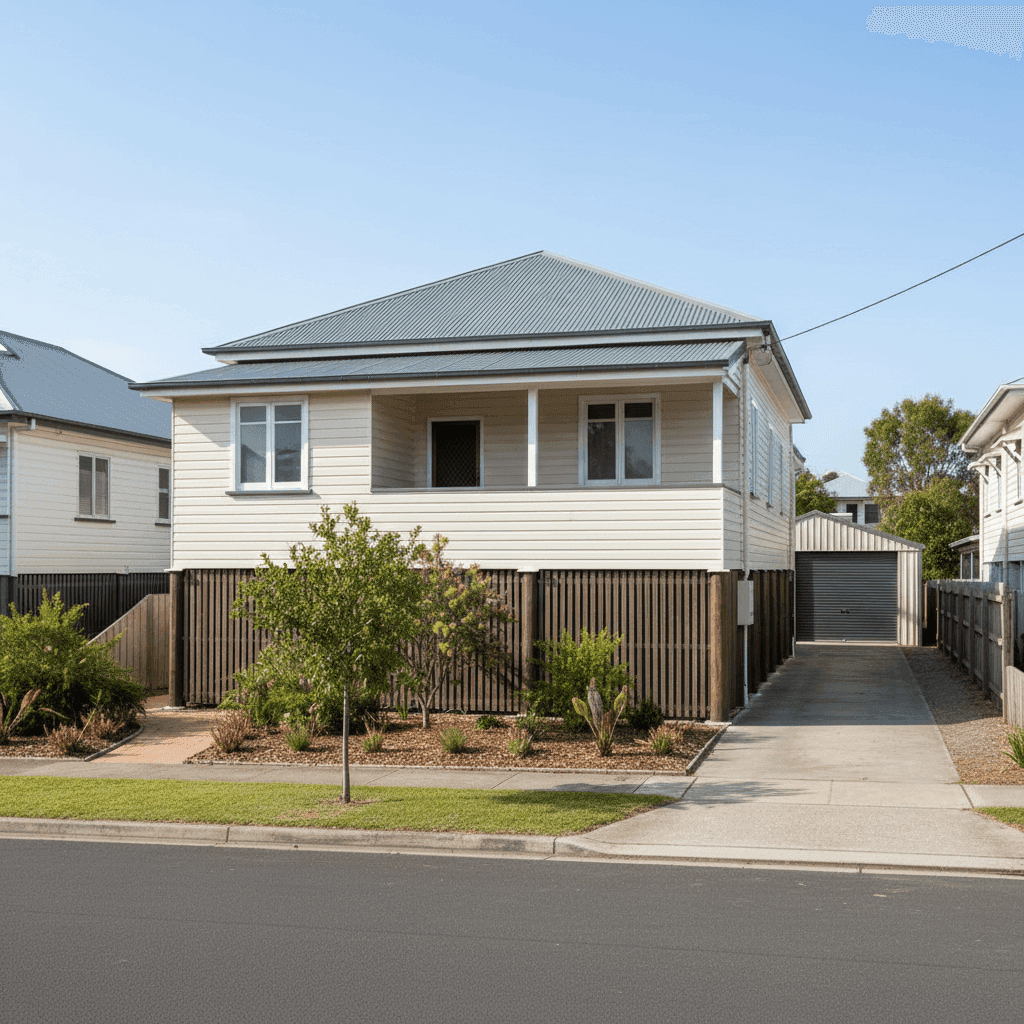
If you own a free standing home in Richmond Hill, QLD 4820, you already know this part of regional Queensland has its own unique character — and its own insurance landscape. Nestled within the Charters Towers region, Richmond Hill is a quiet residential pocket where older homes on stumps and weatherboard construction are very much part of the streetscape. This article breaks down a real home and contents insurance quote for a three-bedroom property in the suburb, compares it against local, state, and national benchmarks, and offers practical guidance for homeowners looking to get the best value cover.
---
Is This Quote Fair?
The short answer: yes — and then some. The quote in question comes in at $1,689 per year (or $169/month) for combined home and contents insurance, covering a building sum insured of $255,000 and contents valued at $26,000. Our pricing analysis rates this as CHEAP — Below Average, which is a strong result for any Queensland homeowner.
To put that into perspective:
- The QLD state average premium sits at $4,547/year, with a median of $3,931/year
- The national average is $2,965/year, with a median of $2,716/year
- The Charters Towers LGA average is $4,457/year
At $1,689/year, this quote is roughly 63% below the Queensland state average and 43% below the national average. Even compared to the broader Charters Towers LGA — which already tends to run higher than the national norm — this premium is less than 38 cents in the dollar. That's a genuinely competitive result, and one that homeowners in this area should feel good about securing.
You can explore more pricing data for this postcode at our Richmond Hill suburb stats page, or compare it against the broader Queensland insurance landscape and national benchmarks.
---
How Richmond Hill Compares
Queensland is one of the most expensive states in the country for home insurance, largely driven by extreme weather events — cyclones, flooding, and severe storms — that affect large parts of the state. The QLD average of $4,547/year reflects that elevated risk profile.
Richmond Hill, sitting inland near Charters Towers, benefits from being outside designated cyclone risk zones, which is a meaningful factor in keeping premiums lower than coastal Queensland equivalents. That said, the Charters Towers LGA average of $4,457/year suggests many local properties still attract significant premiums — making this quote all the more impressive by comparison.
Nationally, the picture is also stark. The national median of $2,716/year is already well above what this homeowner is paying. Across Australia, insurance costs have climbed sharply in recent years due to increased claims from natural disasters, rising construction costs, and reinsurance pressures. Locking in a below-average rate in this environment is a real win.
---
Property Features That Affect Your Premium
Several characteristics of this property play a role — both positively and negatively — in determining the final premium.
Construction Type: Weatherboard Wood Walls & Colorbond Roof
Weatherboard timber homes are among the most common dwelling types in regional Queensland, particularly in older suburbs like Richmond Hill. While timber construction can be more susceptible to fire and termite damage than brick veneer, it's also well understood by insurers. The steel/Colorbond roof is viewed favourably — it's durable, low-maintenance, and performs well in storms compared to older roofing materials like terracotta tiles or fibrous cement.
Age of the Home: Built in 1960
At over 60 years old, this home is considered an older dwelling. Ageing properties can attract higher premiums due to the increased likelihood of wear-and-tear claims — particularly around plumbing, electrical systems, and structural integrity. However, the relatively modest building sum insured of $255,000 for a 130 sqm home suggests the replacement cost has been calculated conservatively and realistically, which helps keep the premium grounded.
Elevated on Stumps
The home sits on timber stumps, elevated by less than one metre. This is a classic Queensland construction style — often called a "Queenslander" — and it has genuine flood mitigation benefits. Elevated homes allow water to flow underneath rather than through the living space, which can reduce flood damage claims. Insurers generally look upon this positively in flood-prone or low-lying areas.
No High-Risk Additions
The absence of a swimming pool, solar panels, and ducted climate control simplifies the risk profile considerably. Each of these features can add complexity and cost to a policy — pools carry liability risks, solar panels increase replacement costs, and ducted systems are expensive to repair. Without them, the insurer has fewer variables to price in.
Standard Fittings Quality
With standard-grade fittings, there are no high-end kitchen appliances, luxury bathroom fixtures, or bespoke joinery to inflate the contents or building replacement value. This keeps the sum insured accurate and the premium proportionate.
---
Tips for Homeowners in Richmond Hill
1. Review your building sum insured regularly Construction costs have risen significantly across Australia in recent years. A sum insured of $255,000 for a 130 sqm home may be appropriate today, but it's worth revisiting annually to ensure it reflects current rebuild costs in the Charters Towers region. Underinsurance is one of the most common — and costly — mistakes homeowners make.
2. Maintain your weatherboard and stumps Timber homes require consistent upkeep. Regularly inspect your stumps for rot, termite activity, and subsidence, and keep your weatherboard cladding painted and sealed. Many insurers can void claims or adjust payouts if damage is found to result from poor maintenance rather than a sudden event.
3. Document your contents thoroughly With $26,000 in contents cover, it's important to know exactly what that needs to protect. Create a home inventory — photos, receipts, serial numbers — and store it securely in the cloud. This makes claims faster, easier, and more likely to be settled in your favour.
4. Compare at renewal time Even with a competitive premium, the insurance market shifts constantly. Make it a habit to compare quotes at CoverClub before your policy renews each year. Loyalty doesn't always pay in insurance — shopping around does.
---
Find a Better Deal with CoverClub
Whether you're a first-time buyer in Richmond Hill or a long-time local reassessing your cover, CoverClub makes it easy to compare home and contents insurance quotes from a range of Australian insurers. With premiums in QLD running well above the national average, finding a competitive rate matters more than ever. Start your free quote comparison today and see how much you could save.