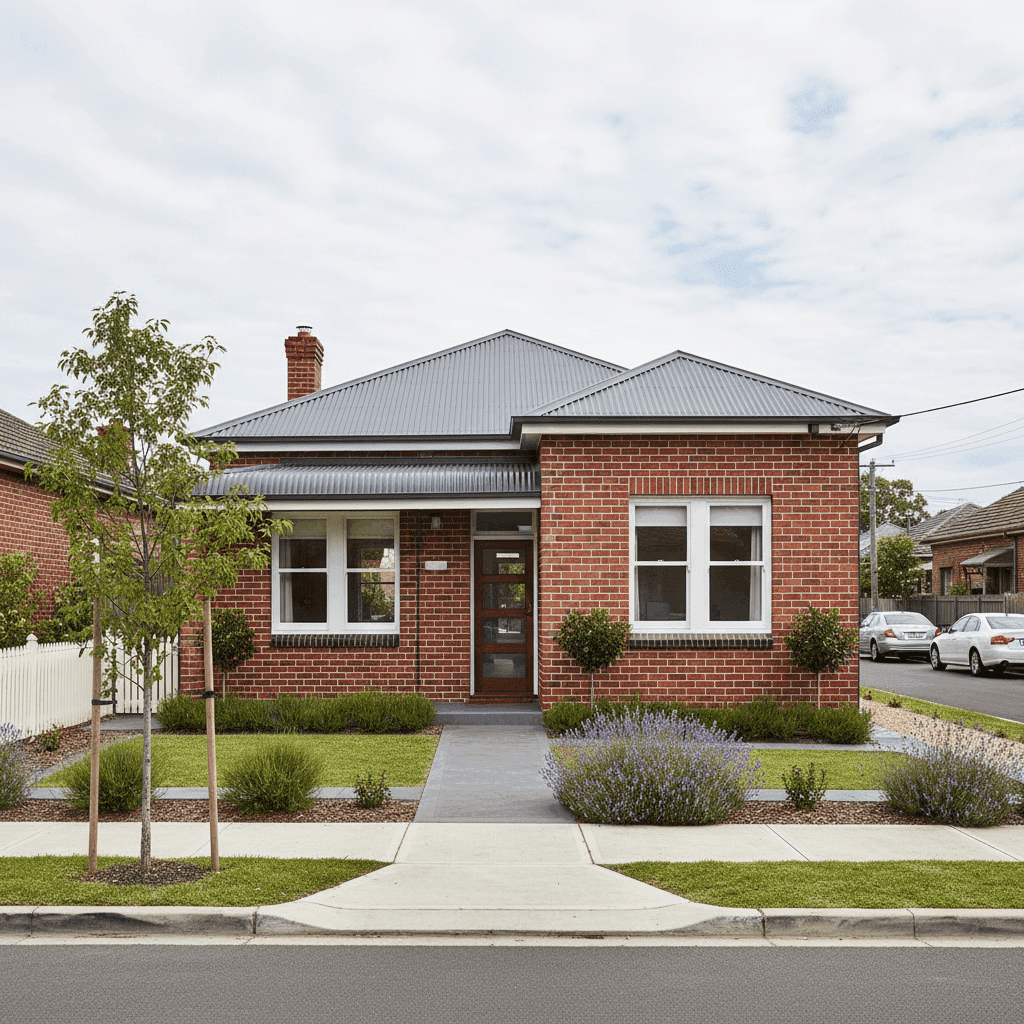
Richmond is one of Melbourne's most beloved inner-city suburbs — a vibrant pocket of Victorian-era streetscapes, trendy laneways, and a housing stock that blends heritage character with modern renovation. For owners of a free standing home in this postcode, understanding what you should be paying for building insurance is just as important as finding the right policy. This article breaks down a real building-only insurance quote for a 2-bedroom, 1-bathroom free standing home in Richmond, VIC 3121, and puts the numbers into context using suburb, state, and national benchmarks.
---
Is This Quote Fair?
The short answer: yes — and then some. This quote comes in at $931 per year (or $89 per month), covering the building only with a sum insured of $463,000. Our pricing model rates this as CHEAP, meaning it sits meaningfully below the average for the area.
To put that in perspective, the suburb average premium for Richmond is $1,438 per year, and the median sits at $1,207 per year. Even the 25th percentile — meaning the cheapest quarter of quotes in the suburb — comes in at $970 per year. This quote at $931 actually dips below that lower benchmark, placing it among the most competitive premiums available for this type of property in the area.
That said, it's worth noting the building excess on this policy is $5,000, which is on the higher side. A higher excess is one of the most common levers insurers use to reduce your upfront premium. If you ever need to make a claim, you'll be contributing $5,000 out of pocket before your insurer steps in. For some homeowners, that trade-off is well worth it — particularly if the property is well-maintained and the risk of a claim is low. For others, a lower excess with a slightly higher premium may offer better peace of mind.
---
How Richmond Compares
Richmond's insurance costs are notably lower than broader Victorian and national figures, which reflects its urban location, relatively low natural hazard exposure, and the density of well-established housing.
| Benchmark | Average Premium |
|---|---|
| Richmond (suburb) | $1,438/yr |
| LGA (Yarra) | $1,782/yr |
| Victoria (state) | $3,000/yr |
| Australia (national) | $5,347/yr |
The gap between Richmond's suburb average and the Victorian state average of $3,000 per year is striking — Richmond homeowners are paying, on average, less than half what Victorians pay across the board. When you zoom out further to the national average of $5,347 per year, Richmond looks like genuinely affordable territory for home insurance.
Much of that national average is driven up by high-risk regions — cyclone-prone areas in Queensland and Western Australia, flood-affected zones in NSW and regional Victoria, and bushfire corridors across the country. Richmond, sitting in Melbourne's inner east, benefits from being well away from those elevated risk categories.
You can explore the full breakdown of Richmond's insurance statistics to see how premiums are distributed across the suburb's 16-quote sample.
---
Property Features That Affect Your Premium
Every property is different, and insurers weigh up a range of physical characteristics when calculating your premium. Here's how this particular home's features likely influence its pricing:
Brick Veneer Walls Brick veneer is one of the most common wall constructions in Melbourne's post-war suburbs, and insurers generally view it favourably. It offers solid fire resistance and structural durability compared to timber-framed weatherboard homes, which can translate into a lower premium.
Steel / Colorbond Roof A Colorbond steel roof is considered low-maintenance, highly durable, and resistant to both fire and corrosion. Compared to older terracotta or concrete tile roofs — which can crack, leak, or fail under storm load — a steel roof is seen as a reduced risk by most underwriters.
Slab Foundation Concrete slab foundations are structurally stable and less susceptible to subsidence or termite ingress compared to older suspended timber subfloors. This is a positive factor in the risk assessment.
Timber / Laminate Flooring While not a major premium driver, flooring type can be relevant in the event of a water damage claim. Timber and laminate floors can be costly to replace, but this is more of a contents consideration than a building one — which aligns with this being a building-only policy.
Construction Year: 1953 A home built in the early 1950s will have some age-related considerations. Older properties can carry higher risk around ageing plumbing, electrical wiring, and roofing infrastructure. However, many Richmond homes of this era have been substantially renovated, and the presence of a Colorbond roof and slab foundation suggest meaningful updates have been made.
No Pool, Solar Panels, or Ducted Climate Control The absence of these features simplifies the risk profile. Pools, solar systems, and ducted HVAC all introduce additional liability and mechanical complexity — removing them from the equation keeps the premium lean.
---
Tips for Homeowners in Richmond
1. Review your sum insured annually Building costs in Melbourne have risen sharply in recent years. Your sum insured of $463,000 should reflect the full cost to rebuild — not the market value of your property. Check that your figure accounts for current labour and materials costs, particularly if you've done any renovations.
2. Understand your excess before you claim A $5,000 building excess is worth factoring into your financial planning. If a storm damages your roof or a burst pipe causes structural issues, you'll need to cover that first portion yourself. Consider whether a slightly higher premium with a lower excess better suits your cash flow.
3. Don't assume your cheapest quote is your best quote This policy is priced well, but cheap doesn't always mean comprehensive. Read the Product Disclosure Statement (PDS) carefully — particularly around what's excluded, how claims are settled (replacement vs. indemnity), and whether accidental damage is covered.
4. Consider contents cover separately This policy covers the building only. As a homeowner, your personal belongings — furniture, appliances, clothing, electronics — are not protected under this policy. A separate contents policy (or a combined building and contents policy) is worth considering, especially in a suburb like Richmond where break-ins and storm events can affect personal property.
---
Compare Your Options with CoverClub
Whether you're renewing your existing policy or shopping around for the first time, CoverClub makes it easy to see what the market is offering for your specific property. With transparent pricing data and real quote comparisons, you can make a confident, informed decision — not just go with the first number you're handed.
Get a building insurance quote for your Richmond home today and see how your premium stacks up.