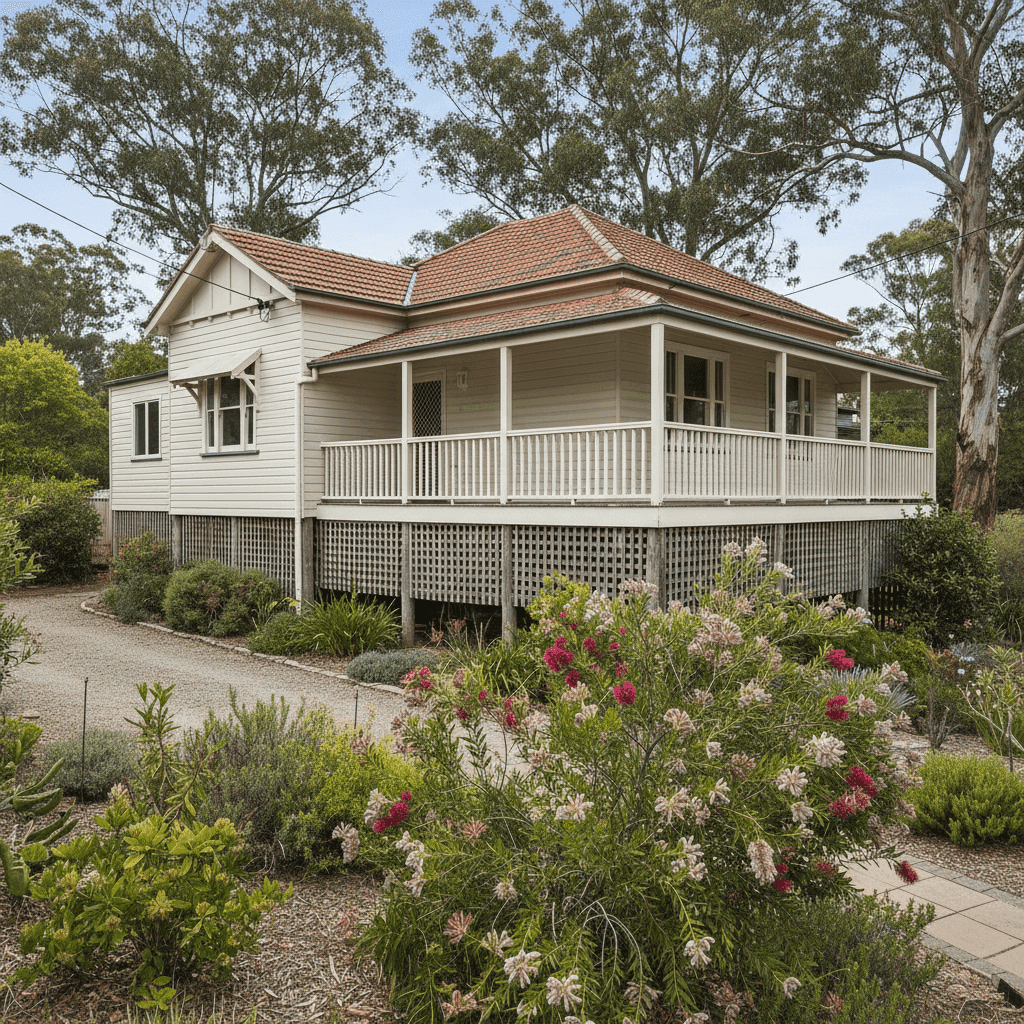
If you own a free standing home in Ringwood North, VIC 3134, you're probably curious about what a fair home insurance premium looks like — and whether you're paying too much. This article breaks down a real home and contents insurance quote for a three-bedroom weatherboard property in the suburb, comparing it against local, state, and national benchmarks to help you make a more informed decision.
---
Is This Quote Fair?
The quote in question comes in at $1,977 per year (or roughly $197/month) for combined home and contents cover, with a building sum insured of $609,000 and contents valued at $110,000. The building excess is $3,000, and the contents excess is $1,000.
Our price rating for this quote is FAIR — Around Average.
That label is well-supported by the data. At $1,977/yr, this premium sits comfortably below both the suburb average of $2,922/yr and the suburb median of $2,456/yr. In fact, it falls between the 25th percentile ($1,789/yr) and the 50th percentile ($2,456/yr) for Ringwood North — meaning this homeowner is paying less than the majority of comparable properties in the area, without being an outlier on the low end.
It's worth noting that the building excess is on the higher side at $3,000. A higher excess is a common way to bring down the annual premium, so that trade-off is worth keeping in mind. If you ever need to make a claim, you'll need to cover the first $3,000 out of pocket for building-related damage.
---
How Ringwood North Compares
To put this quote in proper context, here's how Ringwood North's insurance premiums stack up against broader benchmarks, based on 60 quotes collected for the suburb:
| Benchmark | Annual Premium |
|---|---|
| This Quote | $1,977 |
| Ringwood North 25th Percentile | $1,789 |
| Ringwood North Median | $2,456 |
| Ringwood North Average | $2,922 |
| Ringwood North 75th Percentile | $3,838 |
| Manningham LGA Average | $2,021 |
| VIC State Average | $2,921 |
| National Average | $2,965 |
A few things stand out here. First, the suburb average ($2,922) is notably higher than the median ($2,456), which suggests a skew caused by some very high-end quotes pulling the average upward. The 75th percentile sits at $3,838 — more than double the 25th percentile — indicating significant spread in what Ringwood North homeowners are paying.
Compared to the Victorian state average of $2,921/yr and the national average of $2,965/yr, this quote is meaningfully cheaper. It also comes in just under the Manningham LGA average of $2,021/yr, suggesting it's a competitive result for the local government area as a whole.
---
Property Features That Affect Your Premium
Several characteristics of this property have a direct bearing on the premium calculated. Understanding these factors can help you anticipate how insurers assess risk.
Weatherboard Timber Construction
Weatherboard wood external walls are one of the most significant risk factors for insurers in Australia. Timber-framed homes are more susceptible to fire spread, rot, and termite damage compared to brick veneer or double brick construction. This typically results in a higher base premium relative to masonry homes of a similar size and value.
Elevated on Stumps
The home sits elevated by at least one metre on stumps — a common foundation style for older Victorian homes, particularly those built in the 1960s. While an elevated design can offer some protection against localised surface water flooding, stump foundations introduce their own risks: subfloor moisture, termite access, and structural movement over time. Insurers factor this in when pricing the policy.
Tiled Roof
A tiled roof is generally viewed favourably by insurers compared to corrugated iron or older materials. Tiles are durable and fire-resistant, which can have a modest positive effect on premiums. However, they can crack or dislodge during storms, so it's important that your sum insured accounts for full roof replacement if necessary.
Age of Property (1963)
At over 60 years old, this home is considered an older dwelling. Older properties can attract higher premiums due to the increased likelihood of aging infrastructure — think original wiring, older plumbing, and heritage-style materials that cost more to replace or repair. The $609,000 building sum insured should reflect today's rebuilding costs, not just market value.
Ducted Climate Control
The presence of ducted climate control adds to the insured value of the home's fixtures and fittings. While not a major driver of premium by itself, it does contribute to the overall replacement cost calculation.
Timber and Laminate Flooring
Timber and laminate floors are included in the building sum insured and can be expensive to replace, particularly if the home features original hardwood boards common in 1960s construction.
---
Tips for Homeowners in Ringwood North
1. Review Your Building Sum Insured Regularly
Construction costs in Victoria have risen sharply in recent years. Make sure your $609,000 sum insured accurately reflects what it would cost to completely rebuild your home today — not just its market value. Underinsurance is one of the most common and costly mistakes homeowners make.
2. Understand Your Excess Before You Claim
This policy carries a $3,000 building excess. Before accepting a high excess to lower your premium, consider whether you could comfortably cover that amount in the event of storm damage, fire, or accidental impact. For smaller claims, a high excess may mean it's not worth claiming at all.
3. Maintain Your Subfloor and Stumps
Given the stump foundation and elevated design, it's worth scheduling regular inspections of your subfloor space. Termite activity, moisture ingress, and deteriorating stumps can all lead to major structural claims — and some damage may not be covered if it's attributed to a lack of maintenance.
4. Compare Quotes Annually
The wide spread of premiums in Ringwood North — from under $1,800 to nearly $3,900 — shows just how much insurers can differ in how they price the same property. Don't auto-renew without checking the market. Even a modest saving of $300–$500 per year adds up significantly over time.
---
Find a Better Deal on Your Home Insurance
Whether you're a first-time buyer or a long-term Ringwood North resident, it pays to compare. CoverClub makes it easy to see how your current premium stacks up and explore competitive quotes tailored to your property. Get a home insurance quote today and find out if you could be paying less — without sacrificing the cover you need.