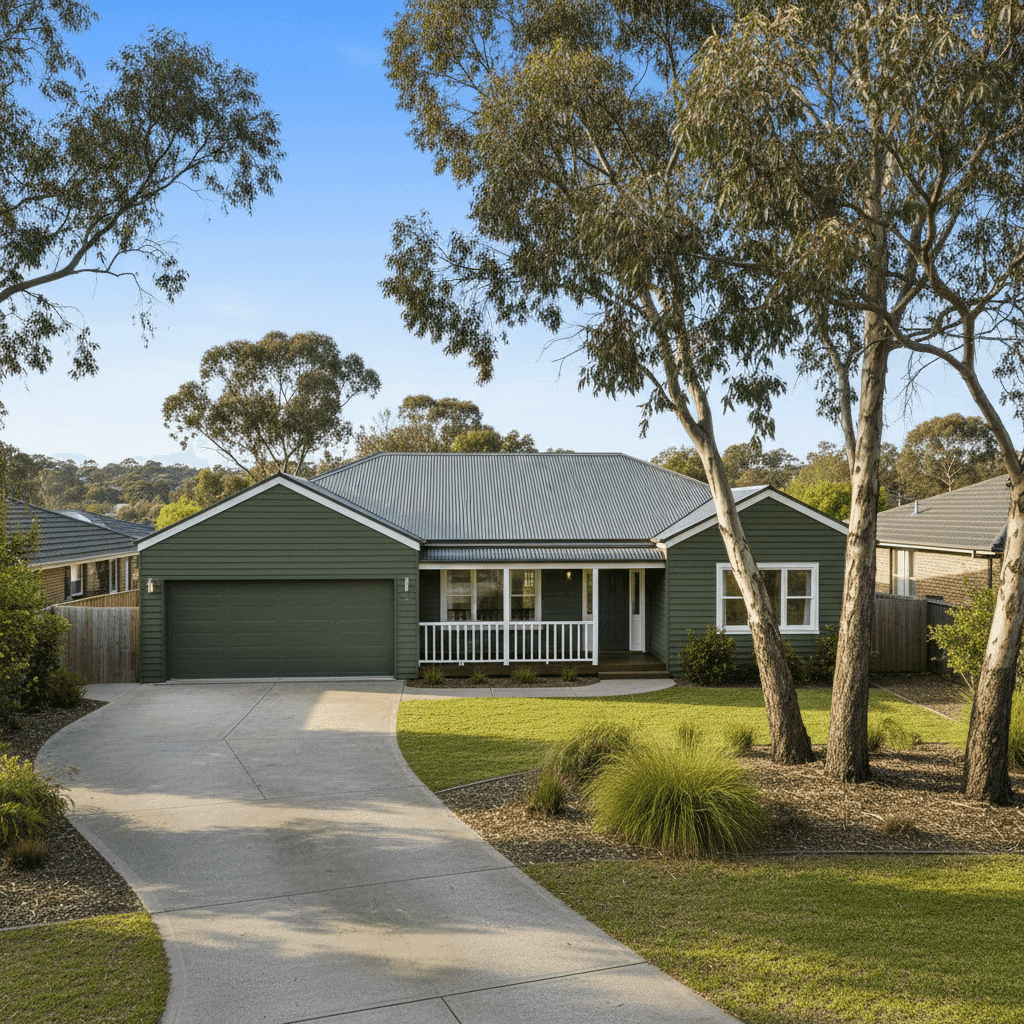
If you own a free standing home in Ringwood North, VIC 3134, you've likely noticed that home insurance premiums can vary quite significantly depending on your property's characteristics and the insurer you choose. This article breaks down a real home and contents insurance quote for a four-bedroom, two-bathroom weatherboard home in Ringwood North — and helps you understand whether the price stacks up.
---
Is This Quote Fair?
The quote in question comes in at $2,463 per year (or $241/month) for combined home and contents cover, with a building sum insured of $939,000 and contents valued at $50,000. Both the building and contents excesses are set at $1,000.
Our price rating for this quote is EXPENSIVE — above average for the suburb.
Here's why: the suburb average premium for Ringwood North sits at $2,155/year, with a median of $1,912/year based on 45 quotes in our dataset. This quote lands above the 75th percentile ($2,344/year), meaning it's pricier than at least three-quarters of comparable quotes in the area.
That said, "expensive" is relative. Compared to the broader Victorian state average of $3,000/year, this quote is actually below par — so while it's on the higher end locally, it's not out of step with what many Victorian homeowners are paying across the state.
---
How Ringwood North Compares
Understanding where Ringwood North sits in the broader insurance landscape is useful context for any homeowner reviewing their policy.
| Benchmark | Average Premium | Median Premium |
|---|---|---|
| Ringwood North (suburb) | $2,155/yr | $1,912/yr |
| Manningham LGA | $2,021/yr | — |
| Victoria (state) | $3,000/yr | $2,718/yr |
| National | $5,347/yr | $2,764/yr |
A few things stand out here. First, Ringwood North and the broader Manningham LGA ($2,021/year average) are relatively affordable compared to the Victorian state average — suggesting the suburb benefits from lower risk factors such as no cyclone exposure and a relatively stable claims environment.
Second, the national average of $5,347/year is heavily skewed by high-risk regions in Queensland, Western Australia, and the Northern Territory — areas prone to cyclones, flooding, and extreme weather events. The national median of $2,764/year is a far more representative figure for most Australian homeowners, and Ringwood North's median of $1,912/year compares very favourably against it.
In short: Ringwood North is a reasonably affordable suburb to insure, and if your quote is above the local average, it's worth investigating why.
---
Property Features That Affect Your Premium
Several characteristics of this particular property are likely influencing the premium. Understanding these factors can help you have a more informed conversation with your insurer.
Weatherboard Timber Construction
The external walls are weatherboard wood — a construction type common in older Melbourne suburbs. Timber homes built before modern fire-resistant standards can attract higher premiums due to increased susceptibility to fire and moisture damage. Insurers typically view weatherboard construction as a greater replacement risk compared to brick veneer or double brick.
Construction Year: 1940
At over 80 years old, this home predates many modern building codes. Older homes may have ageing electrical wiring, plumbing, and structural elements that increase the likelihood of a claim. Some insurers apply a loading to pre-war or early post-war properties, which may be a contributing factor here.
Stump Foundation
The home sits on stumps, which is typical of older Melbourne properties. While stumps can be inspected and replaced, they introduce potential risks around subsidence, pest damage (particularly termites), and movement — all of which insurers factor into their risk assessments.
Colorbond Steel Roof
On the positive side, the steel/Colorbond roof is a modern, durable roofing material that holds up well against hail and wind. This is likely a moderating influence on the premium, as it reduces the risk of storm-related roof damage compared to terracotta tiles or older materials.
Ducted Climate Control
The presence of ducted climate control is factored into the building sum insured. Ducted systems are expensive to repair or replace, and at a building sum insured of $939,000 for a 235 sqm home, the replacement cost reflects the quality of fixtures and fittings throughout the property.
No Pool, No Solar
The absence of a pool and solar panels simplifies the risk profile slightly — both can add complexity and cost to a policy.
---
Tips for Homeowners in Ringwood North
If you're looking to get better value on your home insurance, here are four practical steps worth considering:
- Shop around and compare quotes. The spread between the 25th percentile ($1,650/year) and the 75th percentile ($2,344/year) in Ringwood North is significant. Simply switching insurers — while maintaining the same level of cover — could save you hundreds of dollars annually. Use CoverClub to compare quotes in minutes.
- Review your building sum insured carefully. At $939,000, the sum insured needs to reflect the full cost of rebuilding your home from scratch — not its market value. Underinsurance is a serious risk, particularly for older weatherboard homes where labour and materials costs have risen sharply. Consider getting a professional building valuation to make sure you're neither over- nor under-insured.
- Maintain your stumps and subfloor. Regular inspections by a licensed builder or pest inspector can help you identify and address issues before they become claims. Some insurers may even offer discounts for homes with documented maintenance histories, and proactive upkeep reduces the risk of costly structural claims.
- Ask about bundling discounts. If your contents and building cover are with the same insurer (as they are in this quote), confirm you're receiving a multi-policy discount. If not, it may be worth asking — or finding an insurer who offers one.
---
Compare Your Home Insurance Today
Whether your current premium feels too high or you simply want to make sure you're getting the best deal, comparing quotes is the smartest first step. CoverClub makes it easy to see how your home insurance stacks up against real quotes from across Ringwood North and Victoria.
Get a home insurance quote at CoverClub — it takes just a few minutes, and you might be surprised by how much you could save.