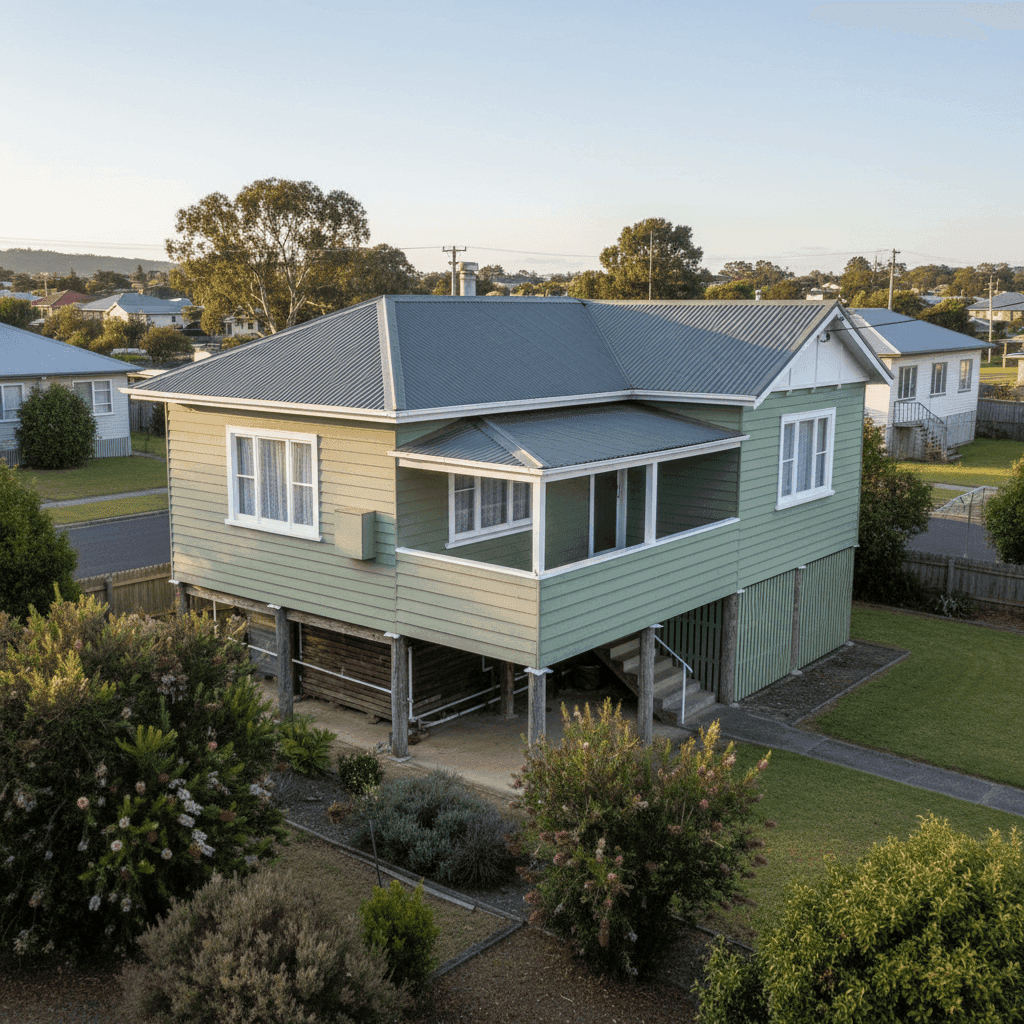
If you own a free standing home in Risdon Vale, TAS 7016, you've probably wondered whether you're paying a fair price for home and contents insurance — or whether there's a better deal waiting to be found. This article breaks down a real quote for a three-bedroom weatherboard home in the suburb, compares it against local, state, and national benchmarks, and offers practical tips to help you make a more informed decision at renewal time.
---
Is This Quote Fair?
The quote in question comes in at $2,235 per year (or $219/month) for combined home and contents cover, with a building sum insured of $552,000 and contents valued at $52,000. Both the building and contents excess are set at $2,000.
Based on our pricing analysis, this quote is rated Expensive — Above Average for the Risdon Vale area.
To put that in context: the suburb's average annual premium sits at $1,891, and the median is even lower at $1,691. This quote lands above the 75th percentile for the suburb ($2,020), meaning it's more expensive than roughly three-quarters of comparable quotes we've seen for properties in this postcode.
That said, "expensive" doesn't automatically mean "wrong." A higher sum insured, above-average fittings quality, and the specific characteristics of a 1963-built weatherboard home on stumps can all push premiums upward — and we'll explore exactly why below.
---
How Risdon Vale Compares
Understanding where Risdon Vale sits in the broader insurance landscape is useful context when evaluating any quote. Here's a snapshot based on data from CoverClub's Risdon Vale suburb statistics:
| Benchmark | Annual Premium |
|---|---|
| Risdon Vale 25th percentile | $1,382 |
| Risdon Vale median | $1,691 |
| Risdon Vale average | $1,891 |
| Risdon Vale 75th percentile | $2,020 |
| This quote | $2,235 |
| Clarence LGA average | $2,049 |
| TAS state average | $2,814 |
| National average | $5,347 |
A few things stand out here. First, this quote — while above the suburb average — is still meaningfully below the Tasmanian state average of $2,814 and well below the national average of $5,347. Homeowners in parts of Queensland or Western Australia facing cyclone and bushfire exposure routinely pay far more.
Second, the TAS state median of $2,326 is actually quite close to this quote's $2,235, which suggests that while it's on the higher end for Risdon Vale specifically, it's not wildly out of step with broader Tasmanian pricing. The suburb itself appears to enjoy relatively competitive insurance rates compared to the rest of the state — good news for local homeowners shopping around.
The sample size of 35 quotes for this suburb gives us reasonable confidence in these figures, though it's always worth getting multiple quotes to see where you personally land.
---
Property Features That Affect Your Premium
Several characteristics of this particular property are likely contributing to a premium that sits above the suburb median. Here's what insurers tend to focus on:
Weatherboard Timber Construction
Timber weatherboard walls are considered a higher risk by most Australian insurers compared to brick veneer or full brick. Timber is more susceptible to fire, rot, and pest damage, which increases the likelihood and potential cost of a claim. This is one of the most significant premium drivers for older homes in Tasmania.
Age of Construction (1963)
At over 60 years old, this home predates many modern building standards. Older properties can have ageing electrical wiring, plumbing, and structural components that raise the risk profile in the eyes of underwriters. Insurers often apply age loadings to homes built before the 1980s.
Stump Foundation
Homes built on stumps (also called pier foundations) are common in Tasmania, particularly in older suburbs like Risdon Vale. While this construction style offers ventilation and can be beneficial in some ways, it can also be associated with higher costs if structural repairs are needed — and some insurers price accordingly.
Above-Average Fittings Quality
The property's fittings are rated above average, which means the cost to repair or replace internal fixtures, cabinetry, and finishes would be higher than a standard home. This is reflected in both the building sum insured and the premium.
Ducted Climate Control
The presence of ducted climate control adds to the replacement value of the home's fixed assets. Ducted systems can cost tens of thousands of dollars to replace, and this is factored into the sum insured and, by extension, the premium.
Sum Insured Level
A building sum insured of $552,000 for a 143 sqm home works out to roughly $3,860 per square metre — a relatively high rate that reflects the above-average fittings quality and the costs associated with rebuilding an older timber home to current standards. It's worth periodically reviewing your sum insured with a quantity surveyor to ensure it's accurate but not over-inflated.
---
Tips for Homeowners in Risdon Vale
Whether you're renewing soon or just keeping an eye on costs, here are four practical steps worth considering:
1. Compare Quotes Before You Renew
Loyalty doesn't always pay in the insurance world. Insurers frequently offer better rates to new customers than to existing ones. Use a comparison platform like CoverClub to see what competing insurers would charge for the same level of cover — you may be surprised by the difference.
2. Review Your Sum Insured Carefully
Over-insuring your home means you're paying a premium on cover you'll never use. Under-insuring is even riskier — if you need to rebuild and your sum insured falls short, you could be left out of pocket. Consider getting a professional building replacement cost assessment to find the right number.
3. Consider a Higher Excess to Lower Your Premium
Both the building and contents excess on this quote are set at $2,000. If you have the financial capacity to absorb a higher out-of-pocket cost in the event of a claim, increasing your excess can meaningfully reduce your annual premium. Just make sure the excess level is realistic for your budget.
4. Maintain the Property to Manage Risk
Insurers look at risk — and a well-maintained older home is a lower risk than a neglected one. Keeping the stumps in good condition, ensuring the roof is free of rust or damage, and maintaining the weatherboard cladding (paint, seals, and pest treatments) can all help you avoid claim complications and may support better renewal pricing over time.
---
Ready to Find a Better Rate?
Paying above the suburb average doesn't mean you have to stay there. CoverClub makes it easy to compare home and contents insurance quotes for properties across Tasmania and beyond. Whether you're in Risdon Vale or anywhere else in Australia, you can get a personalised quote in minutes and see exactly how your current cover stacks up. Don't let inertia cost you hundreds of dollars a year.