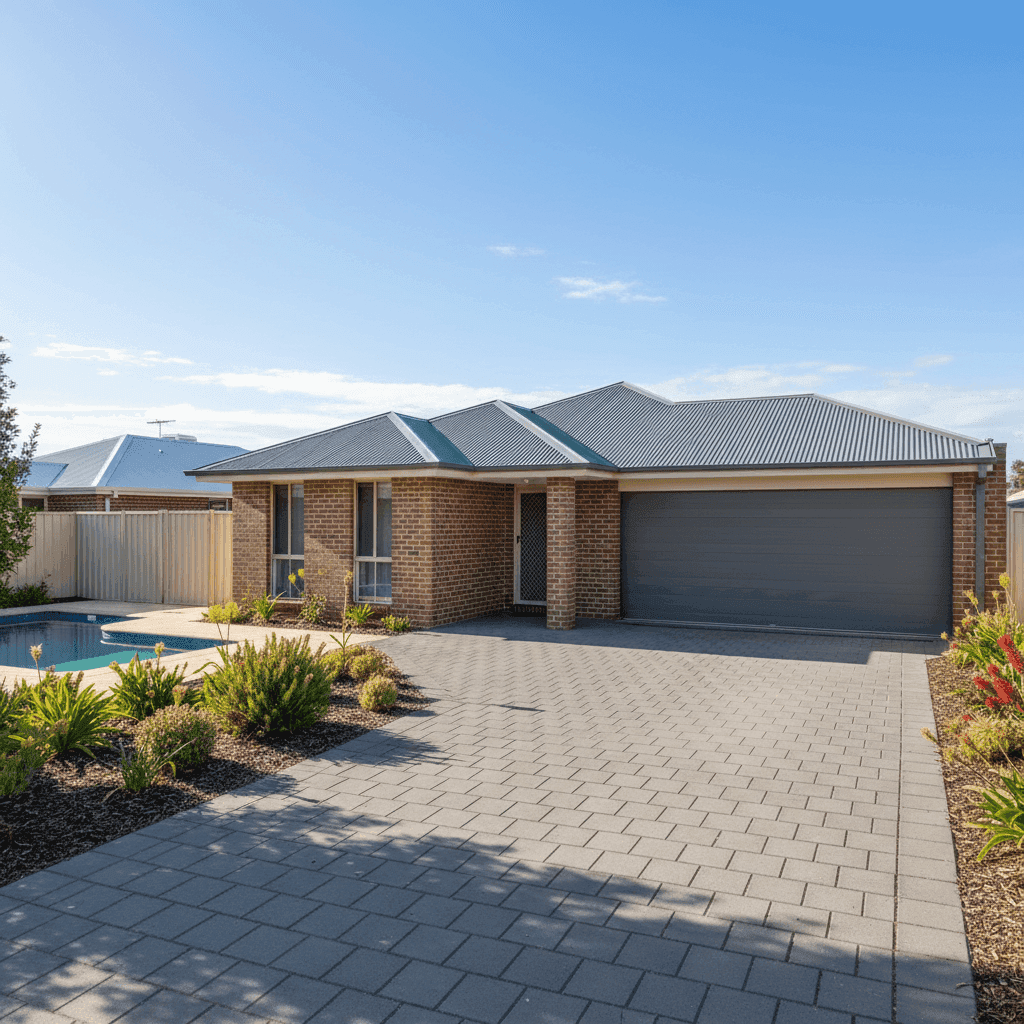
If you own a free standing home in Riverglades, SA 5253, you already know that finding the right home insurance can feel like navigating a maze. Premiums vary widely depending on your property's characteristics, location risk profile, and the insurer you choose. This article breaks down a real building-only insurance quote for a 3-bedroom, 2-bathroom brick veneer home in Riverglades, compares it against South Australian and national benchmarks, and offers practical guidance to help you make an informed decision.
---
Is This Quote Fair?
The quote in question comes in at $2,593 per year (or $242/month) for building-only cover, with a $1,000 building excess and a sum insured of $750,000. Our price rating for this quote is FAIR — Around Average.
What does "fair" actually mean in practice? It means the premium sits in a reasonable range — not suspiciously cheap (which could signal under-coverage) and not alarmingly expensive. For a 130 sqm brick veneer home built in 2000 on a slab foundation with a Colorbond roof, a pool, and ducted climate control, this is a broadly sensible figure.
That said, "fair" doesn't mean you can't do better. Insurance markets are competitive, and the same property can attract meaningfully different premiums across providers. A quote in the "fair" range is a solid starting point, but it's always worth comparing.
---
How Riverglades Compares
Let's put the $2,593 annual premium into context using available benchmarks. Unfortunately, there isn't enough suburb-level data to provide a precise Riverglades average, but we can draw meaningful comparisons at the state and national level — and at the Local Government Area (LGA) level.
| Benchmark | Premium |
|---|---|
| This Quote | $2,593/yr |
| SA State Average | $2,433/yr |
| SA State Median | $1,679/yr |
| LGA (Mid Murray) Average | $1,547/yr |
| National Average | $5,347/yr |
| National Median | $2,764/yr |
A few things stand out here:
- Against the SA state average ($2,433/yr): This quote is about $160 above the South Australian average — a modest difference of roughly 6.6%. That's well within normal variation and consistent with the "fair" rating.
- Against the SA state median ($1,679/yr): The quote is notably higher than the median, which suggests many SA homeowners are insuring lower-value properties or carrying less cover. A $750,000 sum insured is on the higher end and naturally pushes the premium up.
- Against the Mid Murray LGA average ($1,547/yr): The quote sits considerably above the LGA average. This is likely explained by the higher sum insured and the presence of a pool and ducted climate control — features that increase both replacement cost and risk exposure.
- Against the national average ($5,347/yr): The quote looks very competitive nationally, sitting well below the Australian average. High-risk coastal and cyclone-prone areas drive national figures up significantly, so Riverglades' inland location works in its favour here.
For a deeper look at insurance trends in your area, visit the Riverglades suburb stats page, the South Australia state overview, or explore national home insurance data.
---
Property Features That Affect Your Premium
Every property is unique, and insurers weigh up a combination of structural, locational, and lifestyle factors when calculating your premium. Here's how the features of this particular home come into play:
Brick Veneer Walls & Colorbond Roof
Brick veneer is one of the most common wall types in Australian suburban homes and is generally viewed favourably by insurers. It offers solid fire resistance and durability. Colorbond steel roofing is similarly well-regarded — it's lightweight, low-maintenance, and performs well in high-wind events. Together, these materials suggest a structurally sound home that presents moderate risk.
Slab Foundation & Tile Flooring
A concrete slab foundation is standard for homes built around the year 2000 and is considered a stable, low-risk construction type. Tile flooring throughout is durable and less susceptible to water damage than carpet or timber — another factor that can subtly influence risk assessments.
Swimming Pool
The presence of a pool adds to the insurable value of the property and introduces some liability considerations. Pools are a legitimate cost driver in home insurance premiums, as they increase both the replacement cost of the property and the potential for third-party injury claims (depending on your policy).
Ducted Climate Control
Ducted systems are a significant fixed installation and contribute to the overall replacement cost of the home. They're also a potential source of claims if they fail or cause water damage, which insurers factor into their pricing.
No Cyclone Risk
Riverglades is not located in a cyclone risk area, which is a meaningful premium advantage. Properties in northern Australia can pay dramatically more for cover due to cyclone exposure. Being outside this zone keeps premiums considerably lower.
Year Built: 2000
A home built in 2000 is neither brand new nor particularly old. It's likely to comply with building codes that were modernised through the 1990s, but it's also old enough that some systems (roofing, plumbing, electrical) may be approaching the age where maintenance becomes more important. Insurers generally price homes of this era as moderate risk.
---
Tips for Homeowners in Riverglades
Whether you're reviewing an existing policy or shopping for new cover, these practical steps can help you get better value:
1. Review Your Sum Insured Carefully
A $750,000 sum insured is substantial. Make sure it reflects the actual cost to rebuild your home from scratch — not its market value. Rebuilding costs include labour, materials, demolition, and council fees. Over-insuring means you're paying more than necessary; under-insuring could leave you significantly out of pocket after a major claim. Use a building cost calculator or consult a quantity surveyor if you're unsure.
2. Maintain Your Pool and Outdoor Areas
Pools are a known risk factor in home insurance. Keeping your pool fencing compliant with South Australian regulations, maintaining the pump and filtration systems, and ensuring the surrounding area is safe can reduce the likelihood of claims — and may support a stronger negotiating position at renewal.
3. Compare Quotes Annually
The insurance market shifts every year. Your current insurer may no longer be the most competitive option at renewal, especially as new entrants and pricing changes occur. Spending 15–20 minutes comparing quotes before your renewal date is one of the simplest ways to avoid overpaying.
4. Consider Bundling or Adjusting Your Excess
If you're also looking for contents insurance, bundling building and contents cover with the same insurer often attracts a discount. Alternatively, if you're comfortable absorbing a higher out-of-pocket cost in the event of a claim, raising your excess (e.g., from $1,000 to $2,000) can meaningfully reduce your annual premium.
---
Ready to Compare?
A "fair" rating is a good sign — but it's not the finish line. The best way to know whether you're getting genuine value is to compare multiple quotes side by side. At CoverClub, we make it easy to see how different insurers price your specific property so you can make a confident, informed choice.