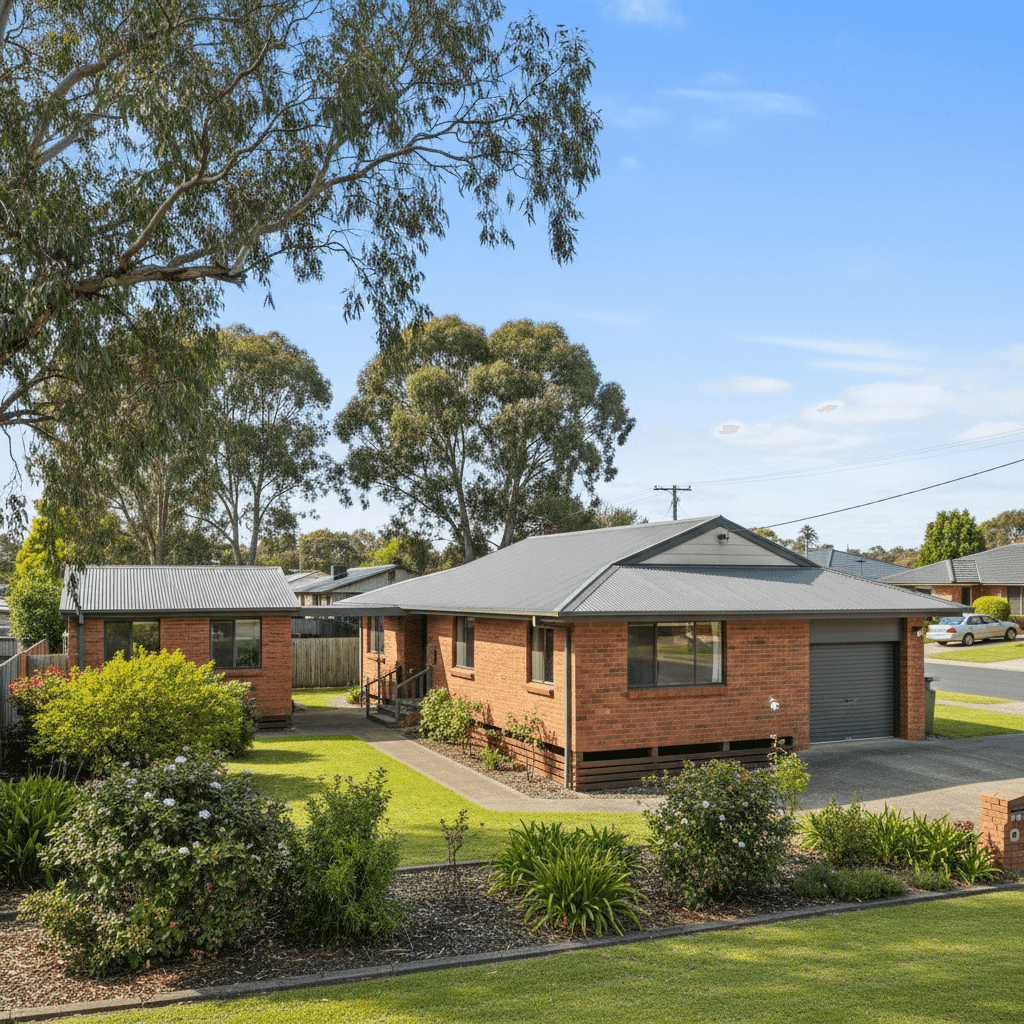
If you own a free standing home in Riverside, TAS 7250, you're probably curious whether your home and contents insurance premium is reasonable — or whether you're quietly overpaying. This article breaks down a real quote for a five-bedroom, three-bathroom brick veneer home in Riverside, benchmarking it against local, state-wide, and national data so you can make a more informed decision at renewal time.
---
Is This Quote Fair?
The annual premium for this property came in at $2,088 per year (or $215/month), covering both building (sum insured: $500,000) and contents ($202,000). Our analysis rates this quote as FAIR — around average for the area.
To put that in context, the suburb average for Riverside sits at $1,899/yr, with a median of $1,754/yr. At $2,088, this quote is modestly above both figures — but it's well within the normal range. The 75th percentile for the suburb is $2,335/yr, meaning roughly three-quarters of comparable quotes come in cheaper, but a meaningful portion are also higher. In other words, this premium isn't a bargain, but it's not a red flag either.
It's worth noting that the building excess is $3,000 and the contents excess is $1,000. A higher excess typically reduces your premium, so if you were to lower the building excess, you'd likely see the annual cost rise. That's a trade-off worth thinking about — particularly for a home of this age and size.
---
How Riverside Compares
One of the more striking takeaways from the data is just how favourably Riverside compares to broader benchmarks. Here's a quick snapshot:
| Benchmark | Premium |
|---|---|
| This quote | $2,088/yr |
| Riverside suburb average | $1,899/yr |
| Riverside suburb median | $1,754/yr |
| Meander Valley LGA average | $2,039/yr |
| Tasmania state average | $2,814/yr |
| Tasmania state median | $2,326/yr |
| National average | $5,347/yr |
| National median | $2,764/yr |
Compared to the Tasmanian state average of $2,814/yr, this quote is 26% cheaper — a meaningful difference. And against the national average of $5,347/yr, Riverside homeowners are paying less than half what many Australians fork out annually for equivalent cover.
The Meander Valley LGA average of $2,039/yr is the closest benchmark, and this quote sits just $49 above it — essentially in line with what other homeowners across the broader council area are paying.
Tasmania's relatively lower premiums compared to the national average reflect a combination of factors: lower natural disaster frequency (no cyclone risk, lower flood exposure in many areas), a cooler climate that reduces bushfire intensity in suburban zones, and generally lower property replacement costs than major mainland cities.
> Note: The suburb comparison is based on a sample of 25 quotes, which is a reasonable dataset but not enormous. Treat the suburb figures as a useful guide rather than a definitive benchmark.
---
Property Features That Affect Your Premium
Several characteristics of this property have a direct bearing on what insurers charge — and it's worth understanding why.
Age of Construction (1983)
At over 40 years old, this home is considered an older build by most insurers. Properties from this era may have ageing plumbing, wiring, and roofing materials that carry a slightly elevated risk profile. Some insurers apply loading to homes built before a certain year, which can push premiums up compared to newer builds.
Brick Veneer Walls
Brick veneer is generally viewed favourably by insurers. It's durable, fire-resistant, and relatively low-maintenance. Compared to weatherboard or fibro construction, brick veneer homes often attract more competitive premiums.
Steel/Colorbond Roof
Colorbond roofing is another tick in the "low risk" column. It's resistant to fire, doesn't rot, and handles the elements well. Older tile roofs, by contrast, can be more expensive to repair and replace — so this property's roof type likely helps keep the premium in check.
Stump Foundation
Homes on stumps (also known as pier or post foundations) are common in older Tasmanian properties. While stumps allow for good underfloor ventilation, they can be more vulnerable to subsidence or pest damage over time. Some insurers factor this into their risk assessment, particularly for homes of this age.
Granny Flat
The presence of a granny flat adds complexity to a home insurance policy. Insurers need to account for the additional structure, and depending on whether the flat is occupied (and by whom), it can influence both the building sum insured and the liability component of the policy. It's important to confirm with your insurer that the granny flat is explicitly covered under the policy — don't assume it's automatically included.
No Pool, No Solar, No Cyclone Risk
The absence of a pool, solar panels, and cyclone risk exposure all work in this property's favour from a pricing perspective. Each of those features can add meaningful cost to a premium, so their absence helps keep things reasonable.
---
Tips for Homeowners in Riverside
1. Review Your Building Sum Insured Carefully
A $500,000 building sum insured for a 139 sqm home in Tasmania is worth scrutinising. The sum insured should reflect the full rebuild cost — not the market value — including demolition, professional fees, and construction. Use a building cost calculator or speak with a quantity surveyor to ensure you're neither underinsured nor paying to insure more than you need.
2. Confirm Your Granny Flat Is Covered
As mentioned above, granny flats are a common source of claim disputes. Check your policy documents to confirm the flat is listed as a covered structure, and clarify whether any occupants are covered under your contents or liability sections. If the flat is rented out, you may need a separate landlord policy.
3. Consider the Impact of Your Excess Choices
This quote carries a $3,000 building excess — on the higher end of the spectrum. While a higher excess reduces your premium, it means you'll need to fund that amount out of pocket before a claim pays out. Make sure your excess levels reflect what you could realistically afford in an emergency, rather than simply choosing the highest excess to minimise the annual cost.
4. Shop Around at Renewal
Even a "fair" quote isn't necessarily the best available. Insurers reprice policies regularly, and loyalty doesn't always pay off. Use a comparison tool at renewal to check whether a comparable level of cover is available at a lower price — small differences in annual premium add up significantly over time.
---
Compare Your Home Insurance Quote
Whether you're reviewing an existing policy or shopping for cover on a property in Riverside, it pays to see what the market looks like. Get a home insurance quote at CoverClub and compare your options side by side — it takes just a few minutes and could save you hundreds each year.
For more local data on insurance costs in Riverside and surrounding areas, visit the Riverside suburb stats page or explore Tasmania-wide insurance benchmarks.