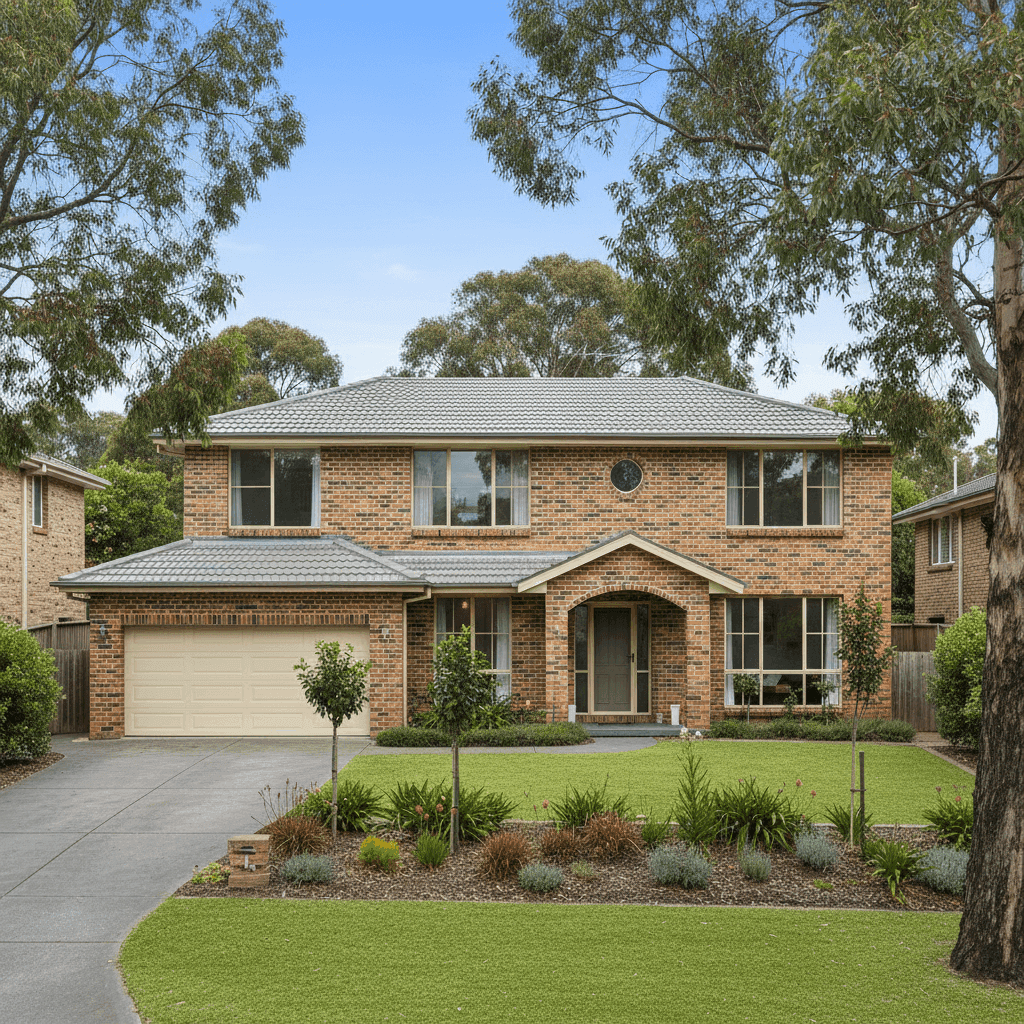
Riverview is one of Sydney's quieter, leafy North Shore suburbs — a place where established family homes sit comfortably among tree-lined streets and waterfront glimpses. If you own a free standing home here, you're sitting on a significant asset, and making sure it's properly protected is no small matter. In this article, we take a close look at a real home and contents insurance quote for a five-bedroom, three-bathroom brick veneer home in Riverview (postcode 2066), built in 1985 — and unpack what the numbers actually mean for homeowners in the area.
---
Is This Quote Fair?
The quote in question comes in at $2,495 per year (or $239 per month) for a combined home and contents policy, covering a building sum insured of $1,338,000 and contents valued at $50,000. Both the building and contents excess are set at $5,000.
Our price rating for this quote is FAIR — Around Average, which is a reasonable result for a property of this size and value in Riverview.
To put that in context: the suburb average premium for 2066 sits at $2,939/yr, with a median of $2,576/yr. This quote lands below both figures, which is a solid outcome. It also falls within the interquartile range — between the 25th percentile ($2,147/yr) and the 75th percentile ($3,279/yr) — suggesting it's neither a bargain nor an outlier. It's a competitive, market-aligned premium for what is a substantial property.
It's worth noting that a $5,000 excess is on the higher end of the scale. While a higher excess typically helps reduce your annual premium, it does mean you'll need to cover more out of pocket if you make a claim. This is a trade-off worth considering, particularly for a large home where repair costs can escalate quickly.
---
How Riverview Compares
Understanding how your premium stacks up against broader benchmarks gives you real negotiating power. Here's how this quote compares across different geographic levels:
| Benchmark | Premium |
|---|---|
| This Quote | $2,495/yr |
| Riverview (2066) Suburb Average | $2,939/yr |
| Riverview (2066) Suburb Median | $2,576/yr |
| Willoughby LGA Average | $3,277/yr |
| NSW State Median | $3,770/yr |
| National Median | $2,764/yr |
| NSW State Average | $9,528/yr |
| National Average | $5,347/yr |
A few things stand out here. First, the NSW state average of $9,528/yr looks alarming — but averages can be heavily skewed by high-risk properties (think flood-prone or cyclone-affected areas). The state median of $3,770/yr is a far more useful comparison point, and this quote sits comfortably below it.
Similarly, the national average of $5,347/yr is dragged upward by high-risk regions across Queensland, Northern Australia, and flood-affected parts of Victoria and NSW. The national median of $2,764/yr is closer to the mark — and again, this quote comes in slightly below that figure.
You can explore the full data for your postcode at our Riverview suburb stats page, compare it against NSW state-wide insurance data, or browse national home insurance benchmarks.
---
Property Features That Affect Your Premium
Every insurer prices risk differently, but certain property characteristics consistently influence what you'll pay. Here's how the features of this particular home come into play:
Brick Veneer Walls Brick veneer is one of the most common external wall types in Australian suburban homes, and insurers generally view it favourably. It offers solid fire resistance and durability, which can help keep premiums in check compared to timber-clad or weatherboard properties.
Concrete Tile Roof A concrete roof is a strong, long-lasting option that performs well in storms and resists fire. That said, concrete tiles are heavier than alternatives like Colorbond, and older roofs (this home was built in 1985) may require more maintenance. Insurers will factor in the age of the roof when assessing risk.
Slab Foundation A concrete slab foundation is generally considered low-risk from an insurance perspective. Unlike homes on stumps or piers, slab homes are less susceptible to subsidence and pest-related structural issues — both of which can generate costly claims.
Timber and Laminate Flooring While aesthetically appealing, timber and laminate flooring can be more susceptible to water damage than tiles or polished concrete. This is worth keeping in mind if you're in a suburb with any history of localised flooding or plumbing issues.
Ducted Climate Control Ducted air conditioning systems are a significant fixed asset and are typically included in the building sum insured. They can also be a source of claims (mechanical breakdown, water leaks from condensation), so it's worth confirming exactly what your policy covers here.
Building Age (1985) A home built in 1985 is now over 40 years old. While well-maintained older homes are perfectly insurable, ageing electrical systems, plumbing, and roofing can increase the likelihood of claims. Some insurers may apply age-based loading to premiums for homes of this vintage.
No Pool, No Solar The absence of a swimming pool and solar panels simplifies the risk profile slightly. Pools add liability exposure and can increase premiums; solar panels introduce additional risks around fire and storm damage.
---
Tips for Homeowners in Riverview
1. Review your sum insured regularly With a building sum insured of $1,338,000, it's essential to ensure this figure reflects the true cost to rebuild — not the market value of the property. Construction costs in Sydney have risen sharply in recent years, and being underinsured can leave you significantly out of pocket after a major loss. Use a building calculator annually or speak to a quantity surveyor.
2. Consider whether a $5,000 excess suits your situation A high excess reduces your premium, but it also means smaller claims may not be worth lodging. Think carefully about your financial position — if covering $5,000 upfront would be a stretch, it may be worth comparing quotes with a lower excess to find the right balance.
3. Maintain your roof and gutters Given the home's age and concrete tile roof, regular maintenance is key. Blocked gutters and cracked tiles are common causes of water ingress claims. Proactive upkeep not only protects your home but can also demonstrate good maintenance history if you ever need to negotiate with your insurer.
4. Compare quotes at renewal time Loyalty doesn't always pay in the insurance market. Insurers frequently offer better rates to new customers, meaning long-term policyholders can end up overpaying. Set a reminder to compare at least 30 days before your renewal date — you may be surprised by what's available.
---
Ready to Find a Better Deal?
Whether you're looking to benchmark your current policy or find a more competitive premium, CoverClub makes it easy to compare home and contents insurance quotes tailored to your property. Get a quote today and see how much you could save — in just a few minutes, you'll have a clear picture of where your premium stands and what alternatives are available.