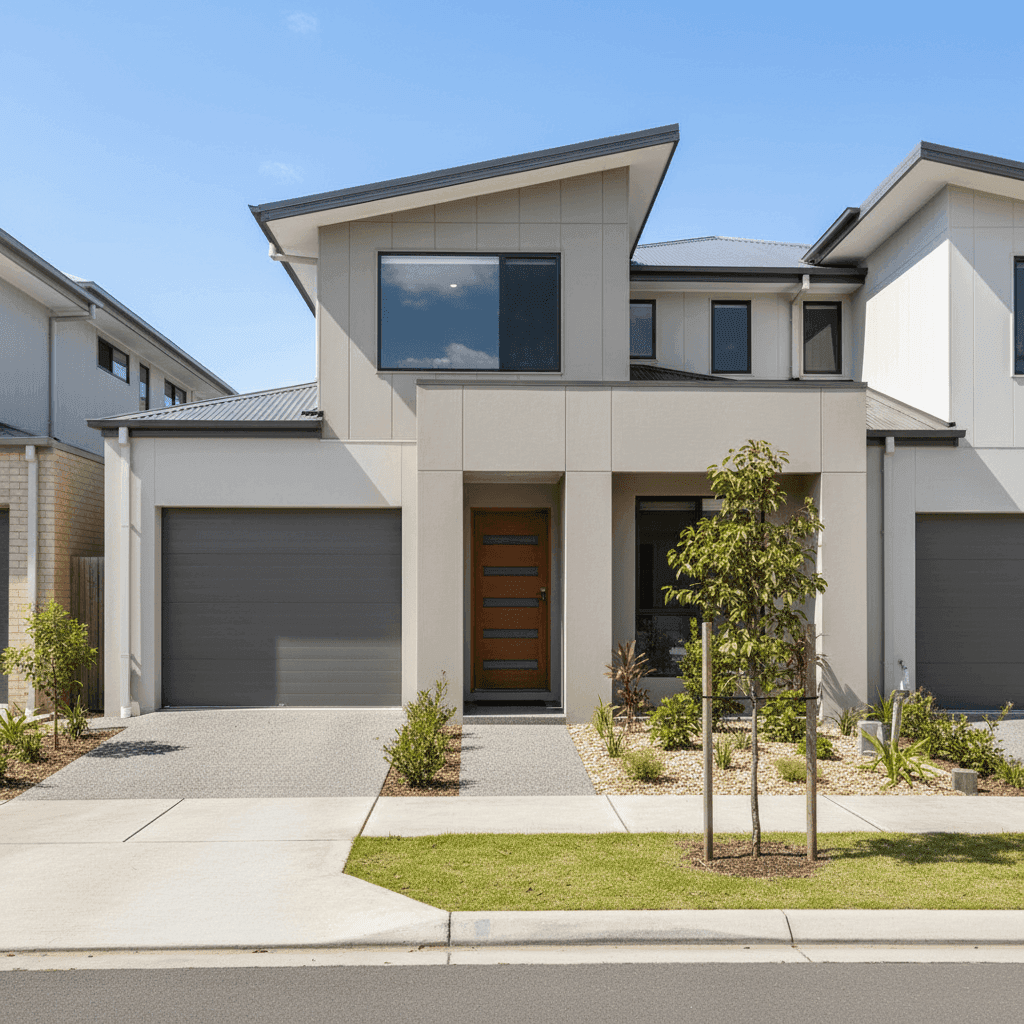
A three-bedroom townhouse in Robina, QLD 4226 recently received a building-only home insurance quote of $1,184 per year (or about $118 per month). At first glance that might seem like a reasonable number — but how does it actually stack up against what other homeowners in the area are paying? We've crunched the data so you don't have to.
---
Is This Quote Fair?
The short answer: this is a genuinely competitive quote. CoverClub rates it CHEAP — below average for the area, and the numbers back that up convincingly.
At $1,184 annually, this premium sits dramatically below the Robina suburb average of $3,469/yr — that's a saving of over $2,285 per year compared to what a typical homeowner in the same postcode is paying. Even measured against the suburb's 25th percentile (the cheapest quarter of quotes), which sits at $2,070/yr, this quote still comes in well under that threshold.
It's worth noting that this is a building-only policy, which naturally costs less than a combined building and contents policy. The sum insured is set at $519,000 for a 153 sqm townhouse built in 2013 — a figure that reflects realistic rebuild costs for a well-constructed modern property in South East Queensland. The building excess is $3,000, which is on the higher side and contributes to keeping the annual premium down. If you're comfortable wearing a larger out-of-pocket cost in the event of a claim, a higher excess is a straightforward lever for reducing what you pay each year.
Overall, this quote represents strong value — particularly given the elevated insurance pricing environment across Queensland right now.
---
How Robina Compares
To put this quote in proper context, here's how Robina's insurance pricing landscape looks against broader benchmarks:
| Benchmark | Average Premium |
|---|---|
| This quote | $1,184/yr |
| Robina (4226) suburb average | $3,469/yr |
| Robina suburb median | $3,190/yr |
| Robina 25th percentile | $2,070/yr |
| Gold Coast LGA average | $5,494/yr |
| QLD state average | $4,547/yr |
| QLD state median | $3,931/yr |
| National average | $2,965/yr |
| National median | $2,716/yr |
A few things stand out here. First, the Gold Coast LGA average of $5,494/yr is the highest figure in the comparison — reflecting the significant weather and catastrophe risk that insurers price into properties across the broader Gold Coast region. Robina itself sits slightly below the LGA average, likely because it's an inland suburb without direct coastal exposure.
Second, Queensland's state average ($4,547/yr) is substantially higher than the national average ($2,965/yr). This is no surprise — QLD consistently records some of the highest home insurance premiums in the country, driven by cyclone exposure in the north, flooding risk across many catchments, and a history of severe storm events. Even though Robina is not classified as a cyclone risk area, it still sits within a state where insurers price risk conservatively.
This quote, at $1,184/yr, comes in at less than 26% of the Gold Coast LGA average — a remarkable outcome for a property in this region.
---
Property Features That Affect Your Premium
Several characteristics of this particular townhouse work in its favour from an insurance pricing perspective:
Hebel external walls — Autoclaved aerated concrete (AAC) panels like Hebel are highly regarded by insurers. They're non-combustible, resistant to termites, and have good structural integrity. This material typically attracts more favourable premium pricing compared to timber-framed or weatherboard construction.
Steel / Colorbond roof — Metal roofing is durable, low-maintenance, and performs well in storm conditions. Insurers generally view Colorbond roofs positively, especially compared to older tile roofs that can crack, lift, or allow water ingress more easily.
Slab foundation — Concrete slab foundations are considered a low-risk construction type. They're stable, resistant to movement in most soil conditions, and don't carry the subsidence or pest risks associated with suspended timber floors.
Tile flooring — While flooring is more relevant to contents cover, tiles are a practical, hard-wearing choice that signals a well-maintained, modern interior.
Built in 2013 — A relatively modern build means the property is likely constructed to current Australian Standards, with updated electrical, plumbing, and structural requirements. Newer builds tend to attract lower premiums than older homes with ageing systems.
Body corporate / strata property — As a strata-titled townhouse, the body corporate typically holds a separate insurance policy covering common areas and shared structures. This means the individual owner's building policy only needs to cover their lot — which can significantly reduce the sum insured and, in turn, the premium. It's important to check exactly what your body corporate policy covers so there are no gaps.
No pool, no solar panels, no ducted climate control — Each of these features adds complexity and cost to a rebuild, so their absence keeps the sum insured and premium lean.
---
Tips for Homeowners in Robina
1. Understand what your body corporate covers Before renewing or switching your individual building policy, request a copy of the body corporate's Certificate of Currency. Confirm which structures are covered under the strata policy and which are your responsibility. Doubling up on cover wastes money; having a gap is far more costly.
2. Review your sum insured regularly Construction costs in South East Queensland have risen significantly in recent years. The $519,000 sum insured on this policy should be revisited annually to ensure it still reflects genuine rebuild costs — not the market value of the property. Underinsurance is one of the most common and costly mistakes homeowners make.
3. Consider whether your excess is right for you This policy carries a $3,000 building excess. While a higher excess reduces your premium, it means you'll need to cover the first $3,000 of any claim yourself. If your financial buffer is comfortable with that, great — if not, it's worth modelling what a lower excess would cost you in premium terms.
4. Compare quotes at renewal time The insurance market in Queensland is competitive, and premiums can vary enormously between providers for the same property. Even if you're happy with your current insurer, getting a comparison quote at renewal takes minutes and could save you hundreds of dollars. Start comparing at CoverClub to see what's available for your address.
---
Ready to Compare Your Own Quote?
Whether you're a first-time buyer or a long-term Robina resident, it pays to know what the market looks like for your specific property. CoverClub aggregates real insurance pricing data so you can see exactly how your premium stacks up — not just against averages, but against the full distribution of quotes in your suburb.
Get a quote and see how you compare — it only takes a couple of minutes, and the data might surprise you.