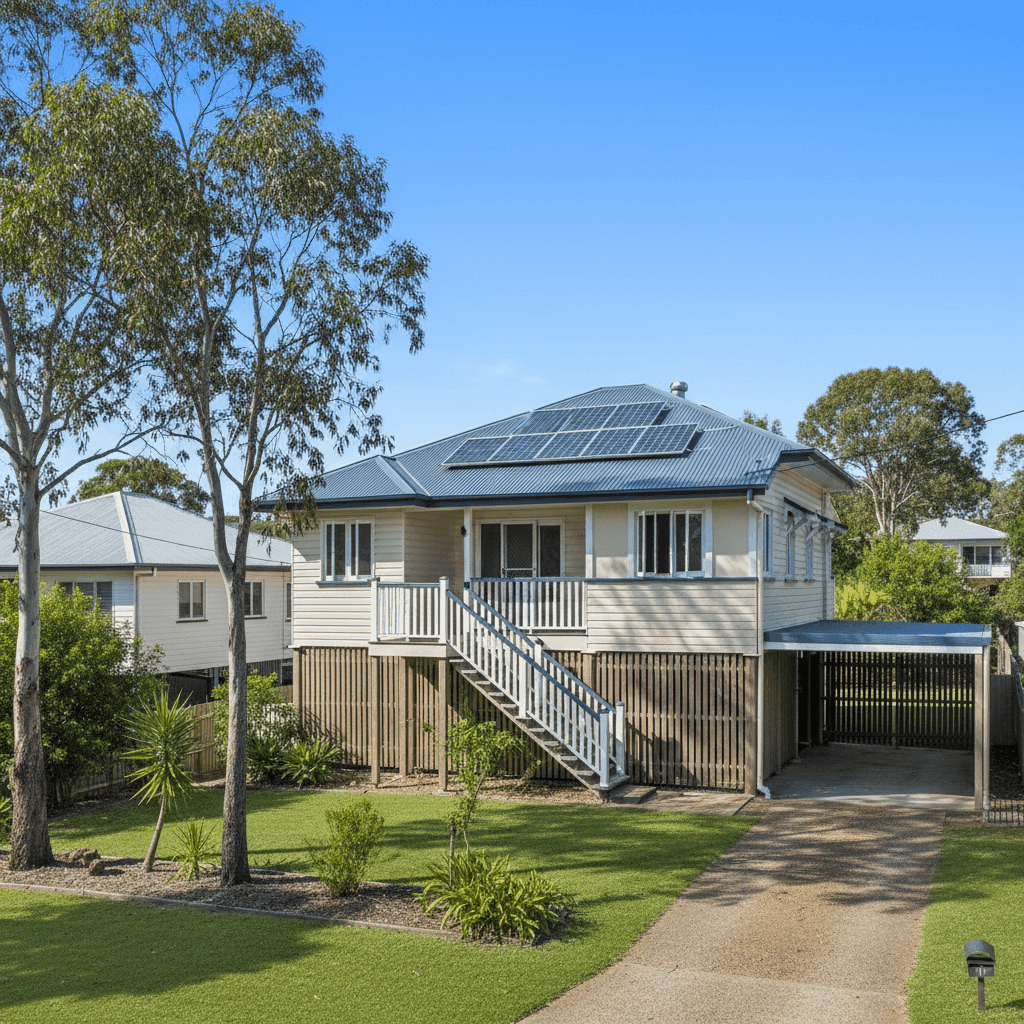
If you own a free standing home in Rockhampton, QLD 4700, you already know that insuring a Queensland property comes with its own set of considerations — from tropical weather events to ageing housing stock. This article breaks down a real home and contents insurance quote for a three-bedroom, weatherboard home in Rockhampton, analyses whether it represents good value, and offers practical tips for local homeowners looking to get the most out of their cover.
---
Is This Quote Fair?
The quote in question sits at $2,571 per year (or $246 per month) for combined home and contents cover, with a building sum insured of $414,000 and contents valued at $50,000. The building excess is $1,000 and the contents excess is $500.
Our price rating for this quote is CHEAP — meaning it sits below average relative to comparable properties and locations. That's genuinely good news for the homeowner. In a state where premiums are notoriously elevated due to cyclone exposure, flood risk, and severe storm activity, landing below the average benchmark is a meaningful result.
To put this in perspective: the Queensland state average premium is a steep $9,129 per year, and even the state median — which filters out extreme outliers — sits at $3,903 per year. This quote comes in well under both figures. Nationally, the average home insurance premium is $5,347 per year, with a median of $2,764 per year. At $2,571, this quote is tracking slightly below even the national median — a strong result for a Queensland property.
---
How Rockhampton Compares
The numbers tell a compelling story when you line them up side by side:
| Benchmark | Annual Premium |
|---|---|
| This Quote | $2,571 |
| National Median | $2,764 |
| National Average | $5,347 |
| QLD State Median | $3,903 |
| QLD State Average | $9,129 |
| Livingstone LGA Average | $13,146 |
Perhaps the most striking figure here is the Livingstone LGA average of $13,146 per year. While Rockhampton itself sits within the Rockhampton Regional Council area, the neighbouring Livingstone LGA — which encompasses coastal and more cyclone-exposed communities — commands dramatically higher premiums. This contrast highlights just how much location nuance matters in Central Queensland insurance pricing.
For suburb-specific data, you can explore Rockhampton insurance statistics on CoverClub to see how premiums trend over time and across different property types in the 4700 postcode.
It's worth noting that Rockhampton is designated as a cyclone risk area, which typically pushes premiums upward. The fact that this quote still undercuts the state median suggests the insurer has priced the specific property characteristics favourably — something worth understanding before switching providers.
---
Property Features That Affect Your Premium
Several characteristics of this property have a direct bearing on what insurers charge. Here's how they play out:
Weatherboard timber construction is one of the most significant rating factors. Older timber homes — particularly those built around 1960 — are generally considered higher risk than brick veneer or double brick, as they are more susceptible to fire, termite damage, and storm impact. Insurers typically apply a loading for weatherboard walls, so it's notable that this quote remains competitive despite that factor.
Steel/Colorbond roofing is actually viewed favourably by most insurers. It's durable, low-maintenance, and performs well in high-wind events compared to older tile or fibrous cement roofing. This likely helps offset some of the premium loading from the timber walls.
Stumped foundations are common in older Queensland homes and allow for airflow underneath — a practical design choice in the subtropical climate. However, they can introduce risk around subsidence, pest access, and structural movement, which some insurers factor into their pricing.
Solar panels are present on this property. While they add value to the home, they also add complexity to the building sum insured calculation. Panels need to be covered under the building policy, and their replacement cost should be factored into the $414,000 sum insured figure.
Carpet flooring and standard fittings suggest a modest, functional interior — which is reflected in the $50,000 contents valuation. This is a reasonable figure for a three-bedroom home with standard furnishings, though homeowners should periodically review contents cover as belongings accumulate over time.
The 130 sqm building size is on the smaller side for a three-bedroom home, which helps keep the rebuild cost — and therefore the sum insured — at a manageable level.
---
Tips for Homeowners in Rockhampton
1. Review your cyclone excess carefully Many Queensland policies include a separate, higher excess for cyclone-related claims. This can be several thousand dollars and is separate from the standard building or contents excess. Make sure you understand what applies in a storm or cyclone event before you need to make a claim.
2. Validate your building sum insured regularly Construction costs have risen significantly in recent years. A sum insured of $414,000 for a 130 sqm home should be reviewed annually using a building cost calculator to ensure you're not underinsured. Being underinsured at claim time can mean you receive a proportionally reduced payout.
3. Consider the value of your solar panels If your solar system was installed after the home was built, confirm with your insurer that it is explicitly covered under your building policy and that its replacement value is included in the sum insured. A standard 6.6kW system can cost $5,000–$10,000 to replace.
4. Compare quotes at renewal — not just when you first buy Insurance markets shift, and loyalty doesn't always pay. Given that this quote already sits below the state median, it's a good baseline — but running a fresh comparison at each renewal ensures you're not paying more than necessary as your property ages and risk profiles change.
---
Ready to Compare Home Insurance in Rockhampton?
Whether you're renewing your existing policy or insuring a property for the first time, it pays to see what the market is offering. CoverClub makes it easy to compare home and contents insurance quotes tailored to your property's specific features and location. Get a quote today at CoverClub and find out if you could be paying less — or getting more cover for the same price.