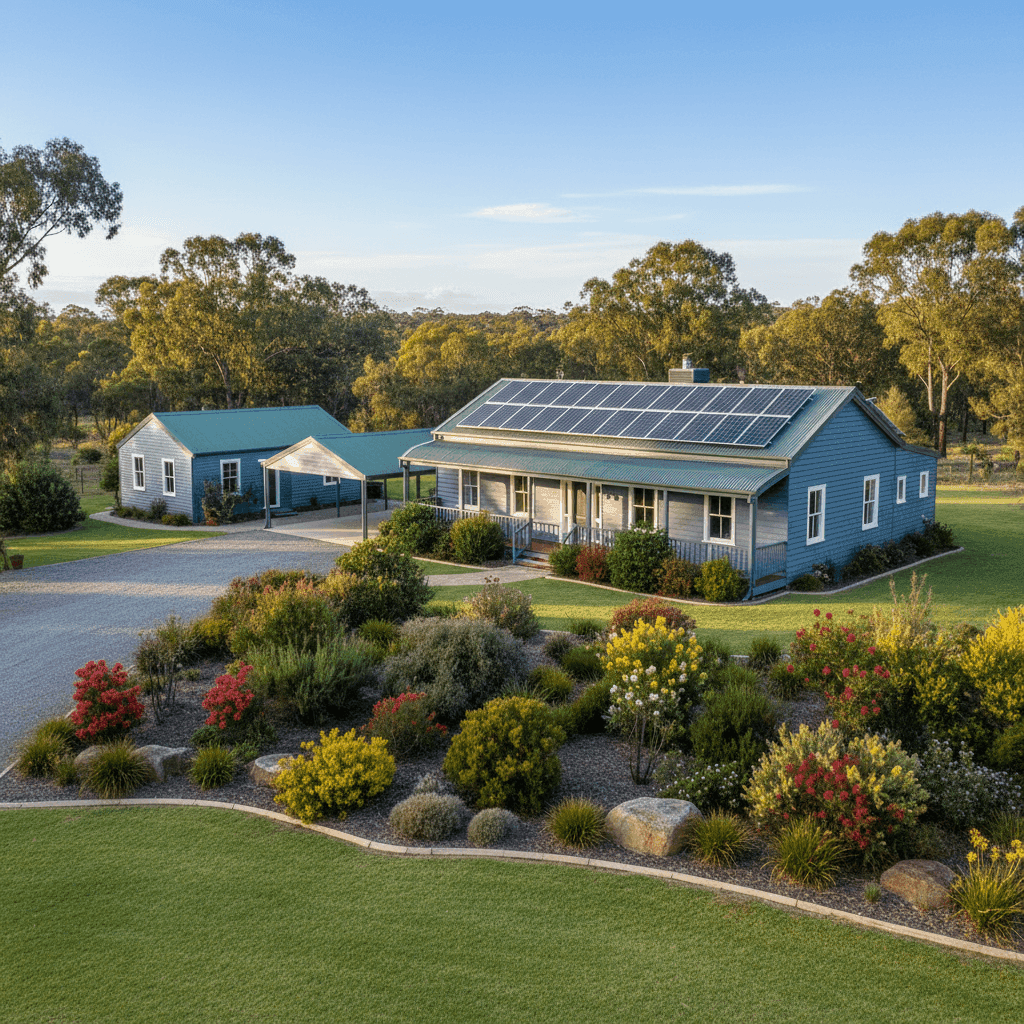
Home insurance costs in regional New South Wales can vary dramatically depending on where you live and what your property looks like. This analysis takes a close look at a real home and contents insurance quote for a 3-bedroom, 1-bathroom free standing home in Rocky River, NSW 2358 — a small rural locality in the Uralla Local Government Area on the Northern Tablelands. If you own a similar property in the area, this breakdown will help you understand what's driving your premium and whether you're getting a fair deal.
---
Is This Quote Fair?
The annual premium for this property came in at $4,293 per year (or $422/month), covering a building sum insured of $635,000 and contents valued at $50,000. Our assessment rates this quote as Expensive — Above Average.
To put that in context, the suburb average for Rocky River sits at just $2,648 per year, with a median of $2,613. That means this quote is running roughly 62% above the local suburb average — a significant gap that warrants a closer look.
It's worth noting that the suburb sample size is relatively small (6 quotes), so the local average may not fully capture the range of properties and risk profiles in the area. Still, even when measured against broader benchmarks, this premium stands out as elevated.
---
How Rocky River Compares
Understanding how a single quote sits within the wider insurance landscape gives you a much clearer picture of value.
| Benchmark | Average Premium | Median Premium |
|---|---|---|
| Rocky River (suburb) | $2,648/yr | $2,613/yr |
| Uralla LGA | $3,183/yr | — |
| New South Wales | $3,801/yr | $3,410/yr |
| National | $2,965/yr | $2,716/yr |
This quote of $4,293 exceeds every benchmark in the table — including the NSW state average of $3,801 and the national average of $2,965. Even within the Uralla LGA, where the average is $3,183, this premium sits nearly $1,100 higher.
Interestingly, NSW as a state tends to run more expensive than the national average — a reflection of higher property values, bushfire exposure across many regions, and the sheer diversity of risk profiles across the state. Rocky River itself, being a rural inland locality, doesn't face cyclone risk, but other factors clearly come into play here (more on that below).
The 75th percentile for the suburb is $3,037 — meaning this quote is above even the most expensive quarter of local properties surveyed. That's a strong signal that the specific characteristics of this home are pushing the price up beyond what's typical for the area.
---
Property Features That Affect Your Premium
Several characteristics of this property are likely contributing to its above-average premium. Let's unpack them.
Age of Construction — 1900
This home was built in 1900, making it well over 120 years old. Older homes are consistently flagged as higher risk by insurers due to the likelihood of ageing plumbing, wiring, and structural components that may not meet modern building standards. Replacement costs can also be harder to estimate accurately, which often leads to higher premiums or more conservative sum insured figures.
Weatherboard Timber Walls
Weatherboard wood is one of the most common external wall materials in older Australian homes — and one of the more expensive to insure. Timber is combustible and more susceptible to fire, termite damage, and rot compared to brick or rendered masonry. Insurers price this risk accordingly.
Building Sum Insured — $635,000
For a 130 sqm home in a regional area, a sum insured of $635,000 is on the higher end. This figure may reflect the cost of rebuilding an older, character-rich home with non-standard materials and labour costs, but it's worth revisiting whether this figure is accurately calibrated. Over-insurance can quietly inflate your annual premium.
Solar Panels
The presence of solar panels adds a modest layer of complexity for insurers — panels represent an additional asset that needs to be covered, and they can complicate roof repairs or replacement. Most insurers include solar panels under building cover, but it's always worth confirming this with your provider.
Granny Flat
This property includes a granny flat, which increases the total insurable area and asset value on-site. Whether the granny flat is rented out or used by family members, insurers may treat it differently, and it can add to the overall premium depending on how it's disclosed and covered.
Slab Foundation & Vinyl Flooring
A concrete slab foundation is generally considered a positive from an insurance perspective — it's stable, resistant to moisture ingress, and less susceptible to subsidence than older stumped or pier-and-beam foundations. Vinyl flooring is a practical, low-maintenance choice that poses no particular insurance concerns.
---
Tips for Homeowners in Rocky River
If you're paying a premium in this range, there are several steps worth taking before your next renewal.
1. Review Your Sum Insured
A building sum insured of $635,000 for a 130 sqm home is worth scrutinising. Use a building cost calculator (many insurers provide these) to check whether your sum insured reflects the actual rebuild cost — not the market value. Adjusting this figure, if appropriate, could meaningfully reduce your premium.
2. Compare Multiple Quotes
With only 6 quotes in our local dataset, the Rocky River market is thin — which means there's real variation between insurers. One provider may assess the age and construction of your home very differently from another. Using a comparison platform like CoverClub makes it easy to see multiple offers side by side.
3. Ask About Discounts for Safety Features
Solar panels, secure fencing, and smoke alarms can all work in your favour with certain insurers. Make sure your insurer knows about every safety feature on your property — some will apply discounts that aren't automatically factored in.
4. Consider Your Excess Settings
This policy carries a $3,000 building excess and a $1,000 contents excess. Opting for a higher excess is one of the most straightforward ways to reduce your annual premium. If your financial position allows you to absorb a larger out-of-pocket cost in the event of a claim, raising your excess can deliver noticeable savings.
---
Ready to Find a Better Deal?
Whether you're renewing soon or just curious about what else is out there, comparing quotes is the single most effective way to ensure you're not overpaying. Get a home insurance quote on CoverClub and see how your current premium stacks up against the market — it only takes a few minutes, and the savings can be substantial.