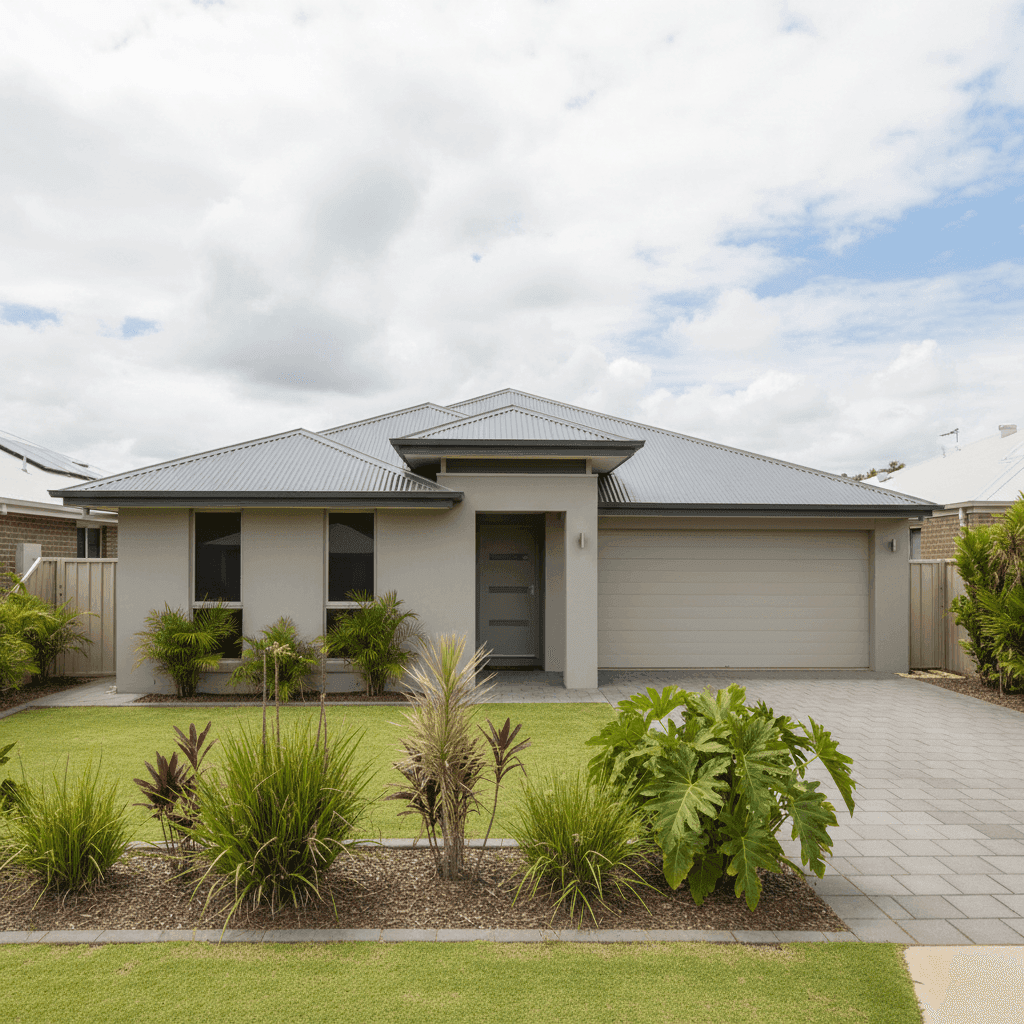
Rosebery is a quiet residential suburb sitting within the City of Palmerston, just south of Darwin in the Northern Territory. Like many suburbs in this part of Australia, it comes with a unique set of insurance considerations — not least because the entire region sits within a designated cyclone risk zone. If you own a free-standing home here, understanding what drives your insurance premium is essential to making sure you're properly protected without overpaying.
This article breaks down a recent building insurance quote for a 3-bedroom, 1-bathroom free-standing home in Rosebery, and puts it in context against local, state, and national benchmarks.
---
Is This Quote Fair?
The annual premium in this quote comes in at $2,324 per year (or around $227 per month), covering the building only with a $1,000 excess and a sum insured of $650,000.
Our price rating for this quote is FAIR — Around Average, which is a solid result for a property in this part of the Territory. Here's why that matters: the Palmerston LGA average sits at a notably higher $4,056 per year, meaning this quote is coming in roughly 43% below the LGA average. That's a meaningful saving for a homeowner in this area.
It's also worth noting that the quote lands just above the suburb's 25th percentile of $2,213 per year, meaning approximately three-quarters of comparable quotes in Rosebery are priced higher. In other words, this is a competitive result — not the cheapest on the market, but well below what many homeowners in the area are paying.
---
How Rosebery Compares
To put this quote in proper perspective, here's how Rosebery stacks up against broader benchmarks:
| Benchmark | Average Premium | Median Premium |
|---|---|---|
| Rosebery (0832) | $3,220/yr | $3,135/yr |
| Northern Territory | $3,709/yr | $3,580/yr |
| National | $2,965/yr | $2,716/yr |
| Palmerston LGA | $4,056/yr | — |
A few things stand out here. First, Rosebery's suburb average of $3,220 is actually below the NT state average of $3,709 — suggesting that while the suburb carries cyclone risk, it may benefit from relatively newer housing stock or construction standards compared to other parts of the Territory.
Second, both the suburb and state averages sit above the national average of $2,965 — which is entirely expected given the elevated natural hazard risk in the NT. Cyclone exposure, storm surge potential, and the extreme wet season weather all contribute to higher premiums across the board in this region.
The quote analysed here ($2,324/yr) comes in below all of these benchmarks, including the national average — which is a strong outcome for a property in a cyclone-prone area.
You can explore more data for this suburb at the Rosebery insurance stats page, or compare it against the broader NT insurance landscape and national home insurance averages.
---
Property Features That Affect Your Premium
Several characteristics of this particular home play a role in how insurers price the risk — and some of them work in the homeowner's favour.
Concrete External Walls
Concrete construction is generally viewed favourably by insurers, particularly in cyclone-prone regions. It offers strong resistance to wind damage, flying debris, and structural stress during severe weather events. Compared to timber-framed homes, concrete-walled properties often attract lower premiums in high-risk zones.
Steel / Colorbond Roof
A Colorbond steel roof is another positive from an insurer's perspective. These roofs are designed to handle the harsh Australian climate — including the intense UV exposure, heavy monsoonal rain, and high winds common in the Top End. They're durable, low-maintenance, and perform well in cyclone conditions when properly installed and secured.
Slab Foundation
A concrete slab foundation is standard for the Darwin region and is well-suited to the local soil conditions. It's a stable, low-risk foundation type that doesn't introduce significant pricing concerns for insurers.
Tile Flooring
Tiles are a practical and popular choice in the NT's tropical climate. From an insurance standpoint, they're relatively low-risk — resistant to moisture damage and easy to replace if needed.
1998 Construction
At around 27 years old, the home was built after the significant improvements to building codes that followed Cyclone Tracy in 1974. NT building standards have progressively tightened since then, and a home built in 1998 would generally meet reasonable cyclone resilience requirements — though it may not reflect the most current standards introduced in later decades.
No Pool, Solar, or Ducted Climate Control
The absence of a pool, solar panels, and ducted air conditioning simplifies the risk profile. Each of these features can add complexity and potential liability, so their absence helps keep the premium lean.
Building Size: 139 sqm
At 139 square metres, this is a modest but comfortable home. The sum insured of $650,000 reflects the cost to rebuild — not the land or market value — and is an important figure to keep accurate and up to date.
---
Tips for Homeowners in Rosebery
1. Review Your Sum Insured Annually
Construction costs in the NT have risen significantly in recent years, driven by labour shortages and the cost of materials in a remote market. Make sure your sum insured reflects current rebuild costs — underinsurance is a real risk, and being even 20% under can leave you significantly out of pocket after a major claim.
2. Cyclone-Proof Your Property
Insurers reward risk mitigation. Consider investing in cyclone shutters, reinforced garage doors, and ensuring your roof is properly strapped and secured. Some insurers offer premium discounts for properties with documented cyclone-resilient upgrades. It's worth asking your insurer directly.
3. Compare Quotes Before Renewal
The spread of premiums in Rosebery is wide — from $2,213 at the 25th percentile to $4,098 at the 75th percentile. That's nearly a $1,900 annual gap for comparable properties. Shopping around at renewal time can make a genuine difference. Use CoverClub to compare quotes and see what's available for your specific property.
4. Check Your Excess Strategy
This quote carries a $1,000 building excess. Opting for a higher excess (say, $2,000 or $2,500) can meaningfully reduce your annual premium — particularly if you have the financial buffer to cover a larger out-of-pocket cost in the event of a claim. Run the numbers to see if it makes sense for your situation.
---
Ready to Compare?
Whether you're reviewing your current policy or shopping for coverage for the first time, it pays to see what the market looks like for your specific property. Head to CoverClub to get a personalised building insurance quote for your Rosebery home — and find out if you're getting the best deal available.