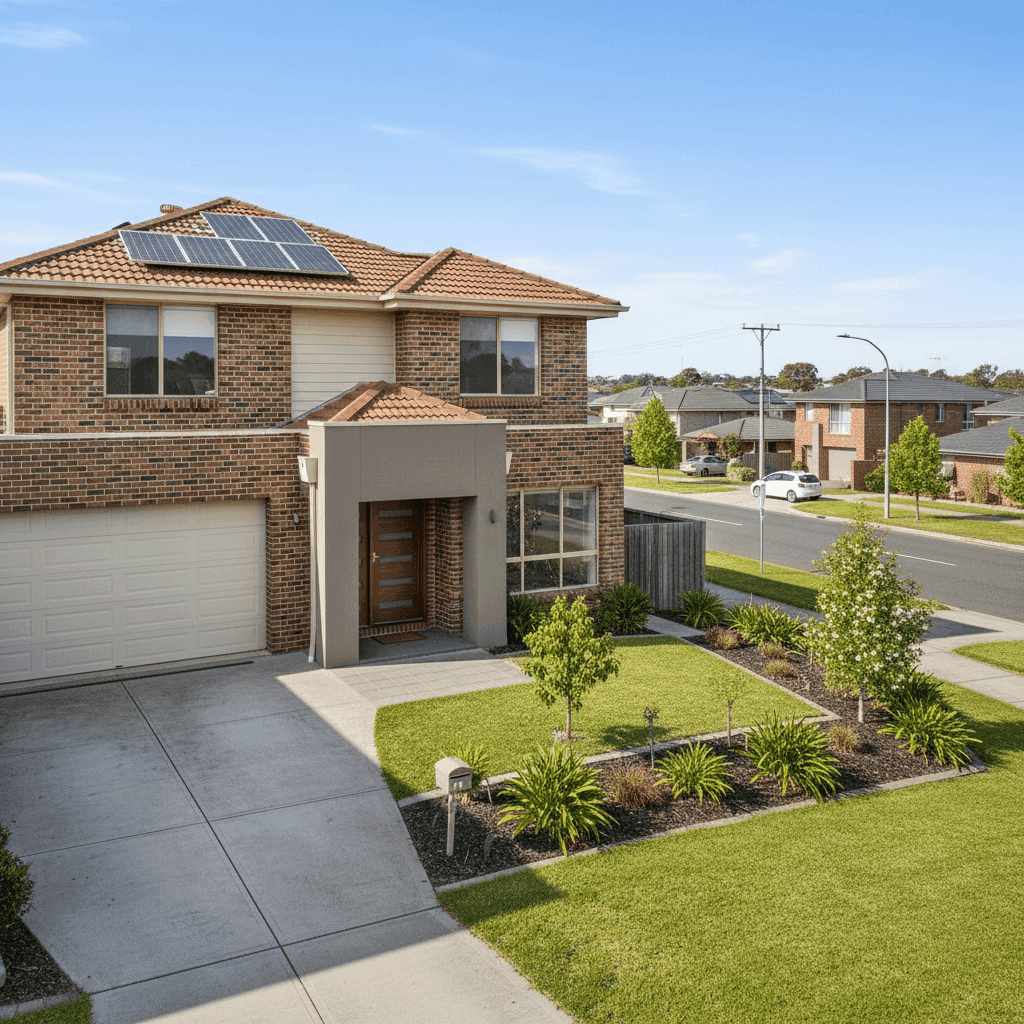
Roxburgh Park is a well-established residential suburb in Melbourne's northern corridor, sitting within the City of Whittlesea. It's a popular choice for families, thanks to its mix of parks, schools, and relatively affordable housing. If you own a free standing home here, understanding what you should be paying for home and contents insurance is a smart step towards protecting one of your biggest assets — and your wallet.
This article takes a close look at a real insurance quote for a four-bedroom, three-bathroom free standing home in Roxburgh Park, comparing it against suburb, state, and national benchmarks to help you make an informed decision.
---
Is This Quote Fair?
The quote in question comes in at $1,578 per year (or $164/month) for combined home and contents cover, with a building sum insured of $408,000 and contents valued at $50,000. The building excess is set at $3,000, with a separate $1,000 contents excess.
Our price rating for this quote is FAIR — Around Average, and the data backs that up. The suburb average for Roxburgh Park sits at $1,618/year, meaning this quote lands just below what most comparable properties in the area are paying. That's a modest but meaningful saving of around $40 annually compared to the local average.
It's worth noting that a "fair" rating doesn't mean you can't do better. The suburb's 25th percentile sits at $1,111/year, which tells us that a quarter of homeowners in the area are securing cover for significantly less. Whether those lower premiums reflect different coverage levels, higher excesses, or simply better shopping around is worth investigating.
---
How Roxburgh Park Compares
One of the most striking takeaways from this quote is just how favourably Roxburgh Park stacks up against broader benchmarks. Here's a quick snapshot:
| Benchmark | Premium |
|---|---|
| This Quote | $1,578/yr |
| Roxburgh Park Suburb Average | $1,618/yr |
| Roxburgh Park Suburb Median | $1,656/yr |
| City of Whittlesea LGA Average | $1,774/yr |
| Victoria State Average | $3,000/yr |
| Victoria State Median | $2,718/yr |
| National Average | $5,347/yr |
| National Median | $2,764/yr |
The numbers are telling. This quote is 47% below the Victorian state average and an extraordinary 70% below the national average. Even compared to the broader Whittlesea LGA average of $1,774/year, this quote represents a saving of nearly $200 annually.
For full suburb-level data, visit the Roxburgh Park insurance stats page. You can also explore Victoria-wide insurance trends or check out national home insurance benchmarks for a broader picture.
The relatively low premiums in Roxburgh Park reflect the suburb's lower risk profile — it's not in a cyclone zone, bushfire risk is comparatively moderate for a Melbourne suburb, and the area benefits from established infrastructure. These factors combine to make it one of the more affordable postcodes in Victoria for home insurance.
---
Property Features That Affect Your Premium
Every property has a unique combination of features that insurers weigh up when calculating your premium. Here's how the characteristics of this particular home come into play:
Brick Veneer Walls & Tiled Roof Brick veneer construction is widely regarded as a solid, low-maintenance building material that performs well in fire and wind events. Combined with a tiled roof, this home presents a relatively low-risk profile to insurers — both materials are durable and resist common weather-related damage better than, say, timber weatherboard or metal roofing in certain conditions.
Slab Foundation A concrete slab foundation is the standard for homes built in this era and is generally viewed favourably by insurers. It's less susceptible to subsidence and pest-related damage compared to older pier-and-beam foundations.
Constructed in 2004 At just over 20 years old, this home sits in a sweet spot — modern enough to meet contemporary building standards, but old enough that any early construction defects would likely have already surfaced. Insurers generally view homes of this age as lower risk than older properties with ageing plumbing or wiring.
Solar Panels The presence of solar panels adds a layer of complexity to your cover. Most home insurance policies will cover rooftop solar panels as part of the building sum insured, but it's essential to confirm this with your insurer. Damage from storms, hail, or fire should typically be covered — but accidental damage and mechanical breakdown may require additional options.
Timber/Laminate Flooring While aesthetically appealing, timber and laminate floors can be more susceptible to water damage than tiles. This is a consideration for contents and building claims involving leaks or flooding — worth checking your policy's water damage provisions carefully.
No Pool, No Ducted Climate Control The absence of a pool removes a common liability risk factor, and no ducted system means one fewer complex mechanical component that could lead to a claim. Both simplify your risk profile.
---
Tips for Homeowners in Roxburgh Park
1. Review Your Building Sum Insured Regularly With construction costs rising across Victoria, the cost to rebuild your home may have increased since you last reviewed your policy. A sum insured of $408,000 for a 139 sqm home works out to roughly $2,935/sqm — which is in the ballpark for standard finishes, but worth validating against current builder quotes or using an online calculator.
2. Confirm Solar Panel Coverage If you have solar panels, ask your insurer explicitly whether they're included in your building cover and under what circumstances. Some policies exclude certain types of solar damage, and you may need to adjust your sum insured to account for their replacement value.
3. Consider Adjusting Your Excess to Lower Your Premium This quote carries a relatively high building excess of $3,000. If cash flow allows you to absorb a larger out-of-pocket cost in the event of a claim, maintaining a higher excess is a legitimate way to keep premiums down. Conversely, if $3,000 feels like a stretch, it may be worth comparing quotes with a lower excess to understand the trade-off.
4. Shop Around at Renewal Our data shows a wide spread of premiums across Roxburgh Park — from $1,111/year at the 25th percentile up to $2,022/year at the 75th percentile. That's a $911 gap, based on 104 quotes sampled in this suburb alone. Loyalty doesn't always pay in insurance, so comparing quotes annually is one of the simplest ways to ensure you're not overpaying.
---
Compare Your Home Insurance Quote Today
Whether you're renewing your policy or insuring a new home in Roxburgh Park, it pays to see what's available in the market. CoverClub makes it easy to compare home and contents insurance quotes side by side, so you can find cover that suits both your property and your budget. Get a quote now and see how your premium stacks up.