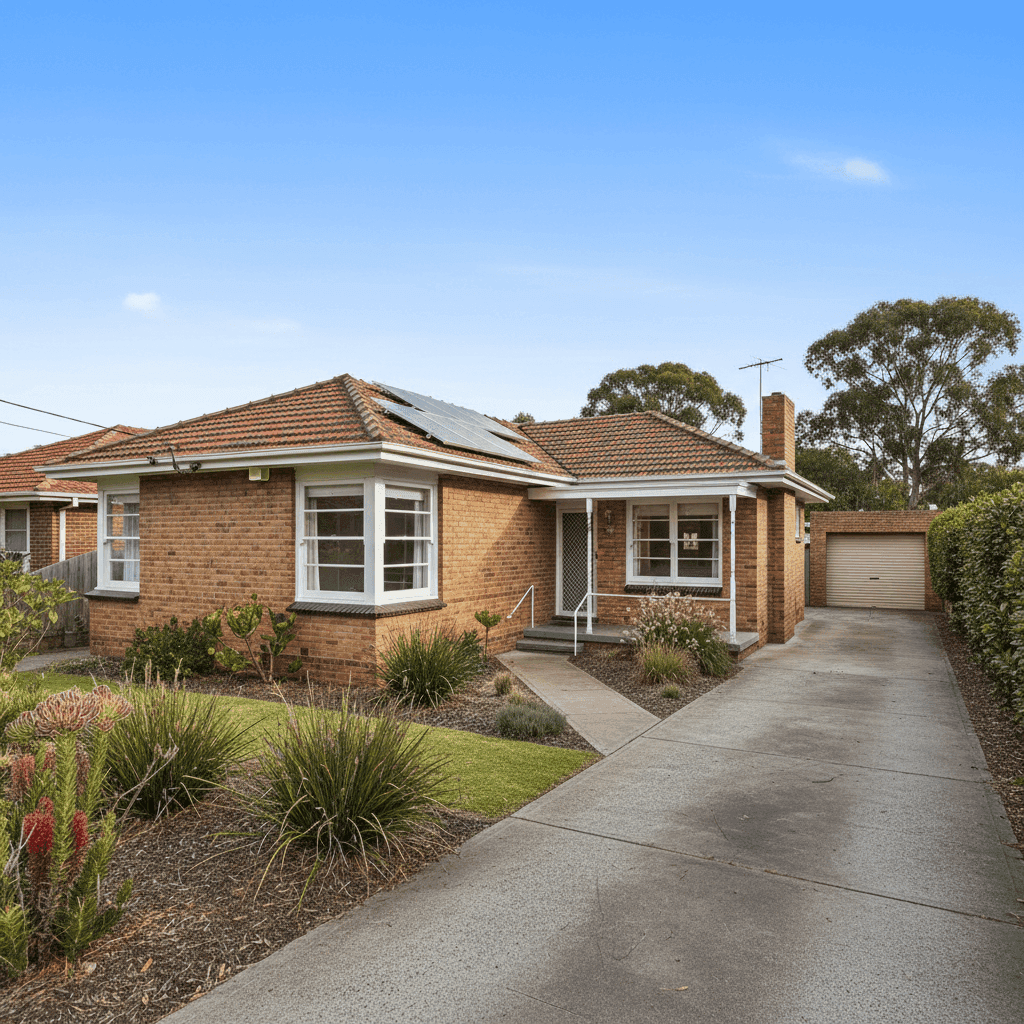
If you own a free standing home in Royal Park, SA 5014, you're probably wondering whether the insurance premium you've been quoted is competitive — or whether you're leaving money on the table. This article breaks down a real home and contents insurance quote for a three-bedroom, double brick home in Royal Park, comparing it against local, state, and national benchmarks to help you make a more informed decision.
---
Is This Quote Fair?
The quote in question comes in at $1,022 per year (or about $96 per month) for combined home and contents cover, with a building sum insured of $450,000 and contents valued at $90,000. The building excess is set at $2,000, and the contents excess at $600.
Our price rating for this quote is FAIR — Around Average. That assessment is backed up by the numbers: the suburb average premium in Royal Park sits at $1,030 per year, meaning this quote lands just $8 below the local average. It also comes in comfortably under the suburb median of $1,053 and well within the middle range of the local distribution (25th percentile: $897 / 75th percentile: $1,175).
In plain terms, this isn't a bargain-basement price, but it's also not an overpriced outlier. For a 1962-built home on stumps with timber flooring and solar panels, landing close to the suburb average is a reasonable outcome — though there's still room to potentially do better.
---
How Royal Park Compares
One of the most striking takeaways from this data is just how affordable Royal Park is relative to broader benchmarks. Here's a quick snapshot:
| Benchmark | Annual Premium |
|---|---|
| This Quote | $1,022 |
| Royal Park Suburb Average | $1,030 |
| Royal Park Suburb Median | $1,053 |
| Port Adelaide Enfield LGA Average | $1,444 |
| SA State Average | $1,933 |
| SA State Median | $1,787 |
| National Average | $2,965 |
| National Median | $2,716 |
The figures are quite revealing. This quote is 47% below the South Australian state average and an extraordinary 65% below the national average. Even within the Port Adelaide Enfield LGA, Royal Park homes are coming in significantly cheaper — the LGA average of $1,444 per year is around 40% higher than what this property was quoted.
This suggests that Royal Park, despite being an inner-suburban Adelaide location, carries a relatively modest risk profile in the eyes of insurers. You can explore more suburb-level data on the Royal Park insurance stats page, or compare it to the broader SA state insurance landscape. For a wider perspective, the national home insurance statistics put Australia's premium environment in context.
It's worth noting that the suburb sample size here is 25 quotes — a reasonable dataset for a suburb of this size, though the more quotes that flow in over time, the more refined these averages will become.
---
Property Features That Affect Your Premium
Insurance premiums aren't pulled from thin air — they reflect the specific characteristics of your property. Here's how the features of this home are likely influencing the quote:
Double Brick Construction Double brick is generally viewed favourably by insurers. It offers strong resistance to fire and structural damage, and tends to be more durable over time than lightweight or weatherboard construction. This is likely working in the homeowner's favour when it comes to the building premium.
Tiled Roof A tiled roof on a 1962 home is a fairly standard feature in South Australian suburbs. Tiles are durable but can be susceptible to cracking or displacement in storm events. Insurers generally treat tiled roofs as a moderate risk — neither a red flag nor a significant discount driver.
Stump Foundation Homes built on stumps (also known as timber piers) were common in South Australia during the mid-20th century. While stumps can be associated with movement, subsidence, or pest-related concerns over time, a well-maintained stump foundation doesn't necessarily push premiums higher. However, it's worth ensuring your sum insured accounts for any future restumping costs.
Timber and Laminate Flooring Timber and laminate floors can be more susceptible to water damage than tiles or concrete, which may have a modest impact on contents and building cover pricing. Ensuring your policy adequately covers floor damage from events like burst pipes or flooding is important.
Solar Panels The presence of solar panels adds value to the property and can increase the cost to rebuild or repair. It's important to confirm that your building sum insured of $450,000 accounts for the replacement cost of the solar system, as some policies treat panels differently — either as part of the building or as a separate item.
No Pool, No Ducted Climate Control The absence of a pool and ducted climate control system simplifies the risk profile slightly. Pools can introduce liability and maintenance concerns, while ducted systems add mechanical complexity. Not having either keeps things straightforward.
---
Tips for Homeowners in Royal Park
1. Review Your Building Sum Insured Regularly A $450,000 sum insured on a 130 sqm home built in 1962 may be appropriate today, but building costs in South Australia have risen significantly in recent years. Make sure your sum insured reflects current rebuild costs — not just the market value of the property. Underinsurance is one of the most common (and costly) mistakes homeowners make.
2. Check Your Solar Panel Coverage As mentioned above, solar panels need to be explicitly covered under your policy. Ask your insurer whether they're included under the building definition or whether you need to list them separately. Given the cost of modern solar systems, this is not a detail to overlook.
3. Consider Your Excess Levels This quote carries a $2,000 building excess. A higher excess typically means a lower premium, but it also means more out-of-pocket costs when you make a claim. Review whether this level is comfortable for your financial situation, and compare quotes with different excess options to find the right balance.
4. Compare Quotes Before Renewing Even if your current quote is rated as fair, the insurance market changes every year. Premiums can shift based on insurer appetite, claims history, and broader risk modelling. Running a fresh comparison at renewal time — rather than simply auto-renewing — could save you hundreds of dollars annually.
---
Ready to Compare?
Whether you're reviewing an existing policy or shopping for cover for the first time, comparing multiple quotes is the smartest way to ensure you're getting the right cover at a fair price. Get a home insurance quote at CoverClub and see how your premium stacks up against the market in seconds.