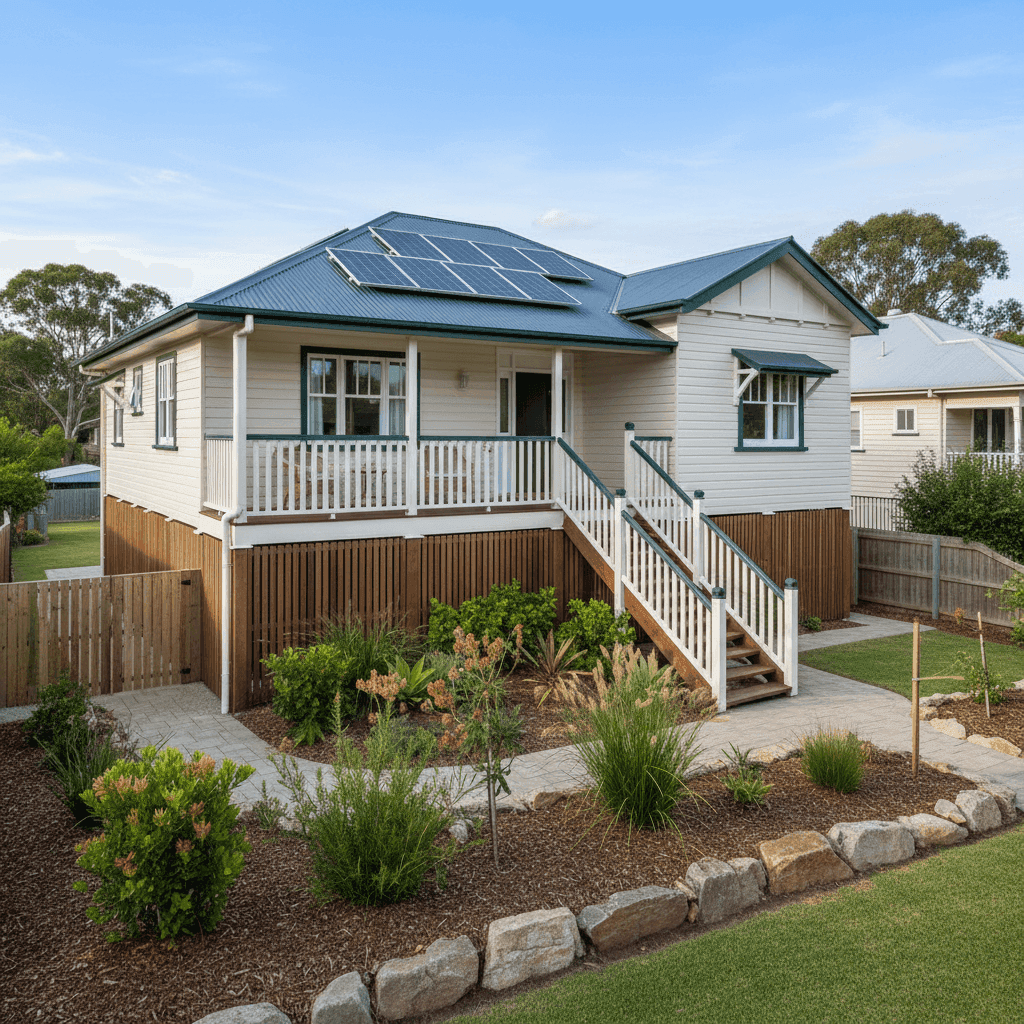
If you own a free standing home in Royston, QLD 4515, you've probably wondered whether you're paying the right amount for home and contents insurance — or whether your insurer is quietly charging you more than you should be. In this article, we analyse a real insurance quote for a four-bedroom weatherboard home in Royston, compare it against local, state, and national benchmarks, and share practical tips to help you get the best value cover.
---
Is This Quote Fair?
The quote in question comes in at $2,998 per year (or $269/month) for combined home and contents insurance, covering a building sum insured of $550,000 and contents valued at $100,000, each with a $500 excess.
Our rating? Cheap — below average. That's a genuinely positive result for the homeowner.
To put this in perspective:
- The Queensland state average for home insurance sits at a hefty $9,129/year, with a median of $3,903/year.
- Nationally, the average is $5,347/year, with a median of $2,764/year.
- The Somerset LGA average — the local government area covering Royston — is $3,203/year.
At $2,998/year, this quote sits below the Somerset LGA average, well below the QLD state average, and only slightly above the national median. For a property of this size and construction type in regional Queensland, that's a competitive result worth paying attention to.
It's worth noting that Queensland consistently records some of the highest home insurance premiums in the country, largely driven by extreme weather exposure — cyclones, flooding, and severe storms — across much of the state. The fact that this Royston property sits below both state and LGA averages is a meaningful signal that the risk profile here is relatively manageable.
---
How Royston Compares
Understanding where your suburb sits in the broader pricing landscape is key to knowing whether you're getting a fair deal. Here's a quick snapshot:
| Benchmark | Annual Premium |
|---|---|
| This Quote | $2,998 |
| Somerset LGA Average | $3,203 |
| QLD State Median | $3,903 |
| National Median | $2,764 |
| QLD State Average | $9,129 |
| National Average | $5,347 |
Note: No suburb-level data was available for Royston specifically at the time of writing.
The gap between Queensland's average ($9,129) and its median ($3,903) is striking — it tells us that a relatively small number of very high-risk properties (think coastal cyclone zones and flood-prone areas) are pulling the average up significantly. Royston, tucked in the Somerset region of South East Queensland, doesn't carry the same extreme risk profile as coastal or far-north Queensland towns, which helps explain the more moderate premiums on offer here.
For deeper data on pricing trends in this area, check out our Royston suburb insurance stats, Queensland state overview, and national insurance benchmarks.
---
Property Features That Affect Your Premium
Every property is different, and insurers weigh up a range of characteristics when calculating your premium. Here's how the key features of this Royston home come into play:
Weatherboard Timber Walls
Timber weatherboard is one of the most common external wall materials on older Queensland homes, and it carries a moderate risk profile. While it's charming and durable when well maintained, timber is more susceptible to fire, termite damage, and moisture ingress than brick or rendered concrete. Insurers typically price timber-clad homes slightly higher than masonry equivalents — so keeping your cladding in good condition is both a maintenance priority and a financial one.
Steel / Colorbond Roof
Good news here. Colorbond steel roofing is highly regarded by insurers for its durability, fire resistance, and ability to withstand high winds. It's a common upgrade from older tile or iron roofing in Queensland, and it generally attracts more favourable pricing compared to materials like terracotta tiles or ageing corrugated iron.
Stump Foundation (Elevated Less Than 1m)
This home sits on stumps, elevated by less than one metre — a classic Queensland construction style. Stump foundations can be a mixed bag for insurers: they allow airflow beneath the home (a positive in Queensland's humid climate) but can be vulnerable to movement, termite attack, and sub-floor moisture. The modest elevation here is unlikely to provide significant flood mitigation benefit, so it's worth reviewing your flood cover inclusions carefully.
Solar Panels
Solar panels are an increasingly common feature on Australian homes, and this property has them. Most standard home insurance policies cover solar panels as part of the building sum insured, but it's always worth confirming this with your insurer. Make sure your $550,000 building sum insured adequately accounts for the replacement cost of your solar system.
Built in 1993
At around 30 years old, this home is entering the age bracket where insurers begin to pay closer attention to the condition of electrical wiring, plumbing, and structural elements. Keeping up with maintenance and being able to demonstrate the home is in good repair can support more competitive premiums over time.
Vinyl Flooring & Standard Fittings
Vinyl flooring and standard-grade fittings are practical choices that keep rebuild costs — and therefore premiums — lower than homes with high-end finishes. This is reflected positively in the quote.
---
Tips for Homeowners in Royston
1. Review your building sum insured regularly Construction costs have risen sharply across Australia in recent years. A sum insured of $550,000 may have been accurate when you first took out the policy, but it's worth using a building replacement cost calculator annually to make sure you're not underinsured. Underinsurance is one of the most common — and costly — mistakes homeowners make.
2. Check your flood cover inclusions Somerset region properties can be affected by heavy rainfall and localised flooding, particularly during La Niña years. Review your policy's Product Disclosure Statement (PDS) carefully to understand exactly what flood scenarios are covered and whether you need to add or upgrade flood protection.
3. Maintain your stumps and sub-floor Regular inspections of your stump foundations — ideally every few years by a qualified building inspector — can catch early signs of movement, rot, or termite activity. Proactive maintenance not only protects your home but also demonstrates to insurers that the property is well cared for.
4. Compare quotes at renewal time Even if your current premium is below average, loyalty doesn't always pay in the insurance world. Insurers regularly adjust their pricing models, and the competitive landscape shifts year to year. Running a fresh comparison at renewal takes only a few minutes and could save you hundreds of dollars.
---
Ready to Compare?
Whether you're reviewing your existing policy or shopping for cover for the first time, comparing quotes is the single most effective way to make sure you're not overpaying. Get a home and contents insurance quote at CoverClub and see how your premium stacks up against the market — it's free, fast, and genuinely useful.